

Honda Motor Company Key Takeaways
Honda Motor Company is positioning itself to ride a sharp rise in hybrid demand as Australian drivers look for better fuel economy, lower emissions and future‑proof motoring heading into 2026.
- The Honda Motor Company strategy focuses on practical hybrids that suit Australian conditions, from city commuting to regional touring.
- High fuel prices, emissions concerns and evolving government policies are all lifting the rising demand for hybrid vehicles across Australia.
- For many buyers, Honda’s hybrids offer a sweet spot between traditional petrol cars and full EVs, with no need to plug in yet big savings at the bowser.
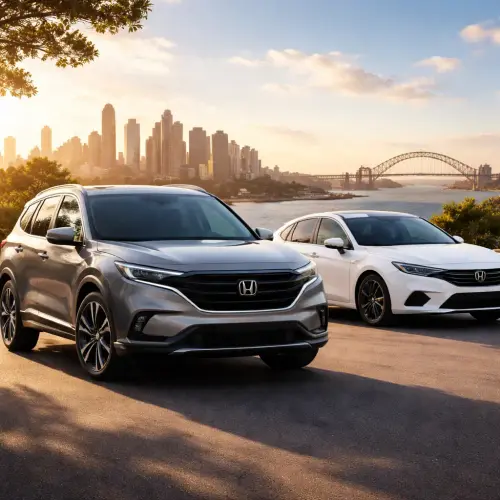
How Honda Motor Company Fits into Australia’s Shift to Hybrid Vehicles
Honda Motor Company has built its reputation on reliability, sensible engineering and strong resale value. As the global market turns towards electrified drivetrains, Honda is channelling that same philosophy into a new generation of hybrids that respond directly to Australian drivers’ needs.
Worldwide, rising demand for hybrid vehicles is being driven by high fuel prices, climate targets and city air-quality rules. In Australia, the shift is more gradual but is accelerating as state and federal policies evolve and more hybrid models hit local showrooms. Instead of pushing Australians straight into full battery electric vehicles (BEVs), Honda is doubling down on efficient petrol–electric hybrids that feel familiar to own and drive.
Heading towards 2026, this positions Honda hybrid vehicles in Australia as a practical bridge between conventional engines and full electrification, especially for buyers who want lower running costs without worrying about charging networks.
Why Hybrid Vehicle Demand in Australia Is Rising Before 2026
The surge in hybrid vehicle demand in Australia is the result of several trends converging at once. Understanding these drivers helps explain why Honda’s strategy makes sense for local buyers.
Fuel prices and the appeal of Honda fuel efficient cars Australia
Australian motorists have been dealing with volatile petrol prices for years, and many households feel the pinch every time the bowser jumps above $2 per litre. This is where Honda fuel efficient cars Australia become more compelling, especially models using Honda’s e:HEV hybrid system. For a related guide, see Fertilizer Shortage Hits Australian Farmers: Costs Rise, Yields at Risk.
Hybrid technology reduces fuel use significantly in stop–start city driving, which is exactly where many Aussies are burning most of their fuel. By using electric assistance and energy recuperation, Honda hybrids can often deliver real-world consumption figures closer to small diesel engines, but without the cost and complexity of diesel emissions systems.
Environmental concerns and emissions targets
Australians are increasingly conscious of their environmental footprint. States such as New South Wales and Victoria have public net-zero targets, and the Federal Government has signalled a shift towards fuel-efficiency standards, aligning with markets like Europe and the United States.
Reports from organisations such as the Climate Council on transport emissions highlight the role of passenger vehicles in Australia’s carbon output. Hybrids may not be zero-emissions, but they cut CO2 and local pollutants substantially compared with traditional petrol vehicles, making them an attractive transitional technology.
Government policy, incentives and regulatory pressure
While direct purchase incentives for hybrids are limited compared with some countries, policy is still pushing the market towards cleaner vehicles. Fleet buyers, government departments and businesses are increasingly setting internal sustainability targets, and they purchase a large share of new cars in Australia.
As more fleets switch to hybrids and EVs, the used market will be flooded with ex-fleet Honda hybrid vehicles in Australia over time, expanding access for private buyers across metro and regional areas. For a related guide, see China–Australia Beef Trade Rebounds as Demand Surges.
Honda Motor Company Hybrid Models Relevant to Australian Drivers
To capture the Honda hybrid Australia market, the brand is focusing on practical body styles and drivetrain technologies that translate well to local conditions, from Sydney’s traffic to long runs between country towns.
Core Honda hybrid vehicles in Australia today
While exact line-ups evolve, Honda has been rolling out e:HEV technology across several key nameplates in markets comparable to Australia. Locally, buyers can expect a mix of these models either already available or strongly likely by 2026:
- Honda Civic e:HEV – a hybrid hatch/sedan combination that targets urban professionals and families wanting premium features without premium fuel bills.
- Honda HR-V e:HEV – a compact SUV suited to city driving and tight parking, popular with downsizers and first-time new-car buyers.
- Honda CR-V e:HEV (or similar mid-size SUV hybrid) – geared towards families and regional drivers needing more space and highway comfort.
These models give Australians a range of price points and body styles while providing the same underlying advantage: petrol–electric drivetrains that don’t require charging infrastructure.
Honda electrified vehicles 2026: what’s coming next
Globally, Honda electrified vehicles 2026 are set to include more hybrids, plug-in hybrids and full battery EVs. While model names and Australian launch timing can shift, the company has announced ambitious plans to expand electrification across its range by the middle of the decade.
Australians can expect to see:
- More SUV-focused hybrids, reflecting the country’s strong preference for crossovers and family wagons.
- Incremental improvements to battery tech and energy management software, squeezing more performance and efficiency out of similar-sized engines.
- Closer alignment between Honda’s global strategy and the local Honda hybrid Australia market, as infrastructure and regulations catch up.
For buyers, this means more choice by 2026, including the likelihood of hybrid options becoming standard on popular nameplates rather than niche variants.
How Honda Hybrid Cars 2026 Compare with Competitors in Australia
By 2026, the field of Honda hybrid cars 2026 will be competing with a well-established hybrid segment dominated today by brands like Toyota, plus newcomers from Korea, Europe and China. For Australian drivers, it’s useful to see where Honda is likely to sit.
Snapshot comparison: Honda vs key hybrid rivals
| Brand | Hybrid Focus in Australia | Typical Buyer Fit |
|---|---|---|
| Honda | Refined e:HEV systems, strong urban efficiency, mid-size SUVs and hatches. | Drivers wanting quiet, smooth performance and long-term reliability. |
| Toyota | Largest hybrid line-up, long track record in fleet and private sales. | Budget-conscious buyers prioritising proven tech and resale value. |
| Hyundai/Kia | Mix of hybrids and plug-ins, tech-heavy cabins and long warranties. | Tech enthusiasts and families wanting value and features. |
| Chinese brands | Emerging hybrid options, often aggressive pricing. | Price-focused buyers willing to try newer brands. |
Honda’s edge traditionally lies in refinement, long-term durability and driving feel, rather than being the absolute cheapest option. As more hybrids arrive, this positioning will appeal to Australian buyers who see their car as a five-to-ten-year investment rather than a short-term purchase.
The Honda hybrid Australia market positioning
In the local market, Honda hybrid vehicles in Australia are likely to target mid- to upper-spec trims, offering premium features, safety tech and better fuel economy in one package. This approach suits Australian households that want:
- A genuinely quieter, smoother drive in traffic.
- Better fuel use without compromising on performance for overtaking and highway work.
- Strong safety ratings and advanced driver-assistance systems.
Compared with some competitors that treat hybrids as an entry-level eco-option, Honda tends to present them as the “smart choice” in the range, which fits well with the brand’s image among Australian buyers.
What the Rising Demand for Hybrid Vehicles Means for Australian Buyers
For everyday Australians, the growing rising demand for hybrid vehicles is about more than just environmental headlines. It changes how you think about total cost of ownership, servicing, daily use and whether a hybrid suits your lifestyle.
Ownership costs: fuel, servicing and resale
The main financial gains from choosing a Honda hybrid come from reduced fuel use and potentially improved resale value. While exact numbers vary by model and driving patterns, fuel savings over five years can be substantial, particularly for city commuters and rideshare drivers.
Servicing intervals on Honda hybrids are typically similar to their petrol equivalents, and hybrid systems have fewer wear items than many people realise. Data from markets with long hybrid histories, such as Japan and Europe, suggests strong reliability for hybrid drivetrains when maintained properly. This underpins the perception of Honda fuel efficient cars Australia as solid long-term bets.
Charging vs refuelling: why many Aussies prefer hybrids to BEVs
One of the biggest hurdles for full EV adoption in Australia is charging infrastructure, especially outside major cities. This is where the appeal of Honda’s non-plug-in hybrids is strongest: they refuel at any petrol station yet deliver a meaningful drop in fuel consumption.
For apartment dwellers in Sydney, Melbourne and Brisbane without secure off-street parking, or regional drivers who face long distances between fast chargers, hybrids provide many of the benefits of electrification without the anxiety. This is a key reason the hybrid vehicle demand in Australia is set to grow faster in the short term than pure EV uptake.
Urban vs regional driving: matching a Honda hybrid to your lifestyle
Hybrids deliver their biggest advantages in stop–start traffic, but modern systems like Honda’s also help on the open road. For Australians, it helps to think about where you spend most of your time behind the wheel:
- Mainly city driving – A compact hybrid hatch or small SUV (like a Civic or HR-V hybrid) will likely cut fuel use dramatically compared with a traditional petrol equivalent.
- Mixed city and highway – A mid-size SUV hybrid (such as a CR-V-style model) can balance efficiency with space and comfort for family trips.
- Primarily regional or outback – Hybrids still offer gains, but the value equation depends on distances, load and terrain. Access to reliable servicing from Honda dealers or authorised repairers becomes especially important.
Because Honda Motor Company focuses on familiar driving characteristics, Australians moving from a conventional car to a Honda hybrid should find the transition seamless: no need to learn new charging habits or drastically change how and where you drive.
How Honda Motor Company’s Hybrid Strategy Could Shape Australia Beyond 2026
Looking beyond 2026, Honda Motor Company is likely to play a significant role in mainstreaming electrified drivetrains in Australia. As fuel-efficiency standards tighten and more Australians experience hybrids through fleets and ride-share vehicles, perceptions of hybrid tech will continue to shift from “niche” to “normal”. For a related guide, see Amazon Jobs 2026: Best Remote Roles Hiring Right Now.
Honda’s focus on refined, user-friendly hybrids may encourage conservative buyers—those who would never jump straight into a full EV—to take their first step into electrification. Over time, this can create a broader base of drivers ready to consider plug-in hybrids or full EVs as infrastructure expands.
If current trends continue, the Australian new-car market of the late 2020s could see hybrids as the default choice for many segments, with Honda hybrid vehicles in Australia firmly embedded in family garages, corporate fleets and rideshare platforms alike.
Useful Resources
For readers who want to explore broader context around emissions and hybrid technology, these resources are a helpful starting point:
- Climate Council – Transport emissions and climate change in Australia
- Australian Government – Vehicle fuel consumption label and efficiency information
Frequently Asked Questions About Honda Motor Company
Are Honda hybrid cars a good choice for Australian city driving?
Yes, Honda hybrids are particularly well suited to Australian city driving because their petrol–electric systems deliver the greatest fuel savings in stop–start traffic, which is common in cities like Sydney, Melbourne and Brisbane, while also offering quiet operation and smooth acceleration for urban commutes.
How do Honda hybrid vehicles in Australia save fuel compared with regular petrol cars?
Honda hybrids use a combination of a petrol engine, electric motor and battery to capture energy normally lost during braking and deceleration, then reuse it for acceleration and low-speed driving, which reduces the amount of petrol needed and can significantly cut fuel bills over time.
Do I need to plug in a Honda hybrid to charge it?
No, Honda’s standard hybrid systems in Australia are self-charging, meaning the battery is charged by the engine and through regenerative braking, so you refuel only with petrol at a normal service station and never need to plug in to a wall or public charger.
What is the difference between a Honda hybrid and a full electric vehicle?
A Honda hybrid combines a petrol engine with an electric motor and battery so it can run on either or both, whereas a full electric vehicle has no petrol engine at all and runs solely on battery power, which means EVs must be plugged in to charge while hybrids can be refuelled like a normal car.
Are Honda hybrid vehicles more expensive to buy in Australia?
Honda hybrids usually cost more upfront than equivalent petrol-only models due to the additional battery and electric motor hardware, but the price gap has been shrinking and many Australian drivers find that lower fuel use and potentially better resale values help offset the higher purchase price over several years of ownership.
How reliable are Honda hybrid systems in Australian conditions?
Honda has a long history of building reliable powertrains and its hybrid systems are designed to cope with a wide range of climates, so when serviced according to the manufacturer schedule, Honda hybrids have shown strong reliability in markets with similar conditions to Australia, such as parts of the United States and Asia.
Can a Honda hybrid handle long country drives and regional trips?
Yes, Honda hybrids can comfortably handle long country runs because they still use a petrol engine for extended highway driving, have similar range to conventional vehicles and can be refuelled at any servo, making them suitable for regional trips where EV charging infrastructure may be limited.
Will a Honda hybrid help me reduce my carbon footprint?
A Honda hybrid will generally produce lower CO2 emissions than a comparable non-hybrid petrol vehicle because it uses less fuel, especially in city driving, so while it is not zero-emissions like a full EV, it is a practical step towards reducing your personal transport emissions in Australia.
How often do Honda hybrid batteries need to be replaced?
The main hybrid battery in a Honda is designed to last many years and often outlives typical ownership periods, with replacement needs depending on age, mileage and care, and in most cases Australian owners will not need to replace the traction battery during normal ownership if the vehicle is maintained properly.
Is servicing a Honda hybrid more expensive than a normal Honda?
Servicing costs for Honda hybrids are usually similar to, or only slightly higher than, those of petrol-only Hondas because routine maintenance like oil changes, filters and brakes are still required, and any extra cost can often be offset by reduced brake wear and lower fuel consumption over time.
Do Honda hybrid cars qualify for any incentives in Australia?
Hybrid incentives vary by state and territory, and while many subsidies focus on full EVs, some regions may offer lower registration charges or other benefits for low-emission vehicles, so it is worth checking your local government websites or speaking with a Honda dealer to understand current programs.
How do Honda hybrid cars 2026 compare with Toyota hybrids?
By 2026, Honda hybrids are expected to compete closely with Toyota’s well-established systems, offering similar or better refinement and efficiency, though Toyota may retain an edge in sheer model count while Honda focuses on a more curated line-up that emphasises comfort, technology and premium feel.
Will Honda release more electrified vehicles in Australia by 2026?
Honda has announced global plans to expand its electrified line-up, and while exact Australian model timing can change, it is reasonable to expect more hybrid options and possibly additional electrified models to be available locally by 2026 as part of a broader strategy.
Is a Honda hybrid a good choice for rideshare or delivery work?
Honda hybrids can be an excellent choice for rideshare and delivery drivers in Australia because they spend much of their time in stop–start traffic where hybrids are most efficient, which can translate into meaningful fuel savings and potentially lower overall running costs compared with a conventional petrol vehicle.
How does a Honda hybrid feel to drive compared with a normal automatic?
Most drivers find Honda hybrids feel very similar to a smooth automatic car but with quieter running at low speeds and more effortless acceleration thanks to the electric motor’s instant torque, making them easy to adapt to even if you have never driven an electrified vehicle before.
Do Honda hybrids lose performance when the battery is low?
Honda hybrid systems are designed to manage battery charge automatically, so even when the state of charge is lower, the petrol engine continues to provide full driving capability, meaning you should not experience dramatic drops in performance during normal use in Australian conditions.
Are Honda hybrid vehicles safe in Australian crash tests?
Honda aims for strong safety performance across its range, and many hybrid models are built on the same platforms as their petrol counterparts that have achieved high ratings in programs like ANCAP, so you can expect advanced safety features and robust crash protection in current and upcoming Honda hybrids.
Is it worth upgrading from an older Honda petrol car to a new Honda hybrid?
If you drive regularly and plan to keep your car for several years, upgrading from an older petrol Honda to a new hybrid can be worthwhile because you gain modern safety tech, improved comfort and significantly better fuel economy, which may offset part of the upgrade cost through lower running expenses.
How can I tell if a Honda hybrid suits my driving habits?
The best way is to look at how many kilometres you drive, how much of that is in traffic versus on highways, and how long you intend to keep the car, then compare estimated fuel savings with the price difference; a test drive in similar conditions to your daily routine will quickly show you whether the driving feel and efficiency gains make sense for you.
Will Honda hybrids still be relevant if Australia rapidly switches to full EVs?
Even as EV adoption grows, Honda hybrids are likely to remain relevant for many years because they offer immediate fuel and emissions benefits without relying on charging infrastructure, making them a practical option for Australians in apartments, rural areas or those not yet ready to commit to a full electric vehicle.