

The Boys Finale Breakdown Key Takeaways
If you live for all‑in moments at the tables, this The Boys Finale Breakdown turns the season’s chaos into a highlight reel of bets, bluffs, and brutal bad beats.
- The finale plays out like a volatile casino night, with The Boys Finale Breakdown showing how every risky choice can either hit jackpot or bust spectacularly.
- The The Boys finale biggest moments revolve around power shifts, betrayals, and last‑second gambles that would make any poker pro sweat.
- The wildest The Boys finale surprises mirror real casino swings: underdogs spike miracle cards, favorites tilt, and the house (Vought) keeps trying to rig the game.
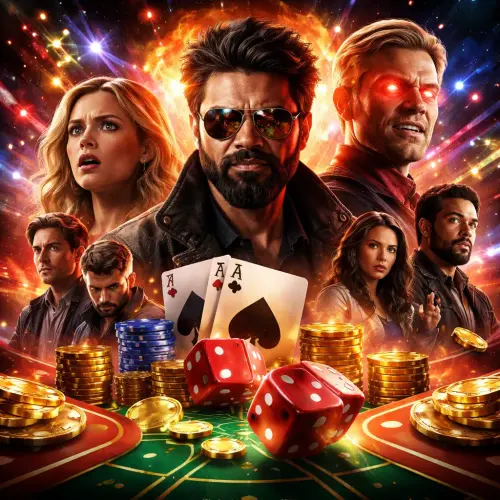
What Casino Players Should Know About The Boys Finale Breakdown
Before we dig into the craziest twists, let’s frame this like a night on the casino floor. Going into the finale, the table is loaded: Homelander’s holding the apparent chip lead, Butcher is playing short‑stacked and desperate, and the rest of The Boys are caught between playing it safe and shoving into a maniac. This is where The Boys Finale Breakdown really feels like reading a high‑stakes session report. For a related guide, see The Boys Season 5: Release Date, Cast and Latest Updates.
By the time the credits roll, alliances are broken, dark horses push to the front, and your “sure things” look more like chasing gutshots. For casino players, this episode is basically a masterclass in when risk‑taking wins—and when it destroys your bankroll.
The Boys Finale Breakdown of the 7 Biggest Moments (Casino-Style)
To keep things fun for gamblers, we’ll treat the The Boys finale biggest moments like a ranking of wildest hands at the table. Each one has three layers: what happened, why it matters for the show, and how it relates to your life on the felt or at the slots.
1. The Opening Standoff: Everyone Sits Down at the Table
The finale kicks off with tension already maxed out. Butcher, Hughie, and the crew are basically down to their last few chips, while Homelander is strutting like the high‑roller who thinks the pit boss works for him. No one is folding. Everyone is hunting that one big pot.
In poker terms, this is the moment when the blinds are huge, the table is short‑handed, and the next orbit might decide everything. For casino players, this captures that feeling when you know: the night is coming down to the next few hands.
2. Homelander’s Brutal Flex: The Bully With All the Chips
One of the The Boys finale biggest moments is Homelander reminding everyone that raw power can still bulldoze good strategy. Whether he’s tearing through enemies or emotionally manipulating crowds, he acts like the player who can call any bet because he just doesn’t care about going broke.
This is the guy splashing pots, bullying shorter stacks, and dragging people into flips they don’t want to take. From a gambler’s lens, the lesson is clear: when emotion meets overwhelming stack power, variance gets ugly. You can’t out‑reason a reckless whale who’s happy to burn the table down with him.
3. Butcher’s Desperate Gambit: All-In on a Bad Beat Story
Butcher’s moves in the finale are pure high‑variance degeneracy. He’s damaged, outgunned, and still insists on shoving into the biggest monster at the table. Even when the odds are trash, he pushes, because for him, it’s never just about chips—it’s personal.
For casino players, this is that terrifying moment when you’re stuck for the night, you know you should lock it up, and instead you fire one more bullet in the high‑limit room. Butcher is the embodiment of chasing losses: sometimes you spike the miracle card, but more often, you’re just building a bigger bad beat story.
4. The Shocking Betrayal: When Your “Partner” Slow-Rolls You
Every finale of The Boys has at least one betrayal that stings, and this one is no different. An ally flips, or at least fails to show up when it matters most, and suddenly the math on everyone’s survival changes.
From a casino point of view, this is like playing a friendly home game where one of your “buddies” angle‑shoots you on the river. You thought you were on the same side, soft‑playing each other a little. Then they show up with the nuts, grin, and stack you. The The Boys finale surprises hit extra hard because they attack trust, not just life totals.
5. The Underdog Upset: Long Odds That Somehow Hit
One of the best payoffs in the episode is when a character everyone underestimated finally pulls a move that changes the whole table dynamic. The quiet player suddenly wakes up with a monster and gets paid in full.
This is that 2‑outer on the river, or the slot bonus round that hits after you’re seconds from walking away. In a good The Boys episode breakdown for casino players, this is the moment you point to and say, “Yep, that’s why we keep playing—even when the odds look brutal.” Long shots don’t pay often, but when they do, they rewrite the night.
6. The Public Spin: Vought Tries to Rig the House Edge
Vought’s reaction to the chaos is classic corporate casino energy: don’t fix the game, fix the story. They can’t fully control the Supes, but they can try to control the narrative and keep the crowds feeding the machines.
This is straight out of the real‑world playbook on regulated gambling and public image. For regulars on the casino floor, it’s a reminder that the house always wants a clean, controlled story—even when backstage is a total mess.
7. The Final Cliffhanger: The Night Isn’t Really Over
By the end, not every hand is shown, and not every stack is settled. The finale leaves several arcs hanging at that perfect “one more orbit” moment. You know there’s another session coming, and everyone is going to sit down with fresh buy‑ins and nastier grudges.
That’s exactly how a long casino grind feels: even when you rack up and leave, the game isn’t over; you’re just booking this session and preparing for the next one. The The Boys finale surprises work because they promise future action without giving you a neat little bow.
Big Character Arcs as High-Stakes Bets in The Boys Finale Breakdown
To really appreciate The Boys Finale Breakdown, it helps to look at each main character like a different betting style. Some are tight‑aggressive, some are pure maniacs, and a few are playing scared money.
| Character | Betting Style | Did the Bet Pay Off? |
|---|---|---|
| Butcher | Reckless all‑in, chasing pain not profit | Short‑term impact, long‑term self‑destruction |
| Homelander | Chip bully, ignores risk management | Keeps the lead, but variance is catching up |
| Starlight | Solid, value‑oriented, plays for the crowd | Slow but steady gains in influence |
| Hughie | Nervous grinder, finally takes some shots | Earns respect, builds emotional bankroll |
| A-Train / The Deep | Tilt‑prone, desperate for relevance | Occasional wins, mostly paying rake |
For casino players, these arcs are a reminder that your “character build” at the tables matters. Are you the Butcher type, always looking for a cliff to jump off? Or are you more Starlight, taking disciplined lines and letting time do the work?
The Boys Finale Surprises vs Casino Risk: What You Can Learn
Under all the blood and satire, the finale sneaks in a few lessons that feel painfully familiar when you’ve put in serious hours in a casino.
Know When the Game Is Rigged
Vought’s entire business model is about controlling the odds and the narrative. As a gambler, you have to spot when the “game” you’re in isn’t just tough—it’s stacked. That means understanding house edge, variance, and emotional manipulation. The way crowds fall for Homelander’s image is not far from how people believe in “lucky machines.”
Emotional Tilt Is Deadlier Than Bad Cards
Multiple characters in the finale implode not because of bad luck, but because they’re tilted beyond reason. They push when they should fold, trust the wrong people, or go scorched earth just to scratch a grudge. Any disciplined gambler knows: your worst nights usually start with one emotional decision you refused to walk away from.
Long-Term EV Beats One Hero Hand
Some of the heroes finally accept that they won’t win this war in one glorious showdown. They need time, alliances, and patience. In gambling language, that’s long‑term expected value: you don’t need to win every session; you just need to keep making plus‑EV decisions and survive the downswings.
If you think about it, a smart The Boys episode breakdown for casino players is really a guide to managing risk and ego in any high‑pressure environment.
Practical Takeaways for Casino Players from The Boys Finale Breakdown
Watching the finale as a gambler isn’t just fun—it can actually sharpen how you think about your next real‑money session.
A Quick Casino Mindset Checklist
Before you sit down at a table or spin a reel, ask yourself:
- Am I playing like Butcher (revenge‑driven) or like a patient pro?
- Is there a “Homelander” at my table—someone I’m letting intimidate me into bad decisions?
- Do I actually understand the odds here, or am I just hoping for a miracle underdog moment?
- What’s my real stop‑loss, and will I respect it when emotions run hot?
- Is this a game I chose… or one the “Vought” in my life pushed me into?
Balancing the drama of The Boys with hard reality, you can see how entertainment mirrors the way real gamblers face pressure, variance, and the temptation to chase.
If you’re curious about the psychology behind gambling decisions and why we love these high‑risk narratives, resources like the American Psychological Association’s coverage of gambling behavior are a great deep dive.
Final Thoughts: Chaos, Comps, and Why Casino Players Love The Boys
In the end, The Boys Finale Breakdown is really a story about people who can’t stop sitting back down at the table, even when the stakes could kill them. That’s why it hits so hard for casino players: the thrill, the risk, the constant dance between control and chaos all feel familiar.
The finale says what every seasoned gambler already knows—sometimes you win big, sometimes you get wrecked, and sometimes the best play is walking away to fight another day. Until the next season drops and the next session starts, think about which moment felt most like your last crazy night at the casino—and which character you’re secretly playing like when the chips go in.
Useful Resources
Want to go a bit deeper into the themes behind the show and the gambling mindset it mirrors?
- UK Gambling Commission – Insights on gambling behavior and regulation
- American Psychological Association – The science behind gambling and risk
Frequently Asked Questions About The Boys Finale Breakdown
Why does The Boys finale feel so intense to casino players?
The finale is packed with high‑risk decisions, emotional all‑ins, and wild momentum swings that mirror a brutal gambling session. For casino players used to big pots, bad beats, and miracle comebacks, the pacing and stakes of the story feel very similar to sweating a long, high‑variance night at the tables.
How is Homelander similar to a high-roller at a casino?
Homelander behaves like a chip bully who thinks the rules don’t apply to him. He can push people around with sheer power, ignore obvious risks, and still get away with it—at least for now. In casino terms, he’s the dangerous whale with a massive stack and no emotional brakes, warping the entire table dynamic.
What can gamblers learn from Butcher’s choices in the finale?
Butcher shows how dangerous it is to let emotion overrule strategy. His obsession with revenge leads him to make terrible, high‑variance plays that damage himself and those around him. Gamblers can see a clear warning: chasing pain or losses instead of making rational decisions is a fast route to going broke.
Which finale moment best represents a bad beat at the table?
The betrayal and sudden reversals late in the episode feel exactly like a bad beat: you make what looks like the right move, the odds are in your favor, and then someone flips over the one card or action that destroys your plan. It’s that gut‑punch feeling of “I did everything right and still got crushed.”
Are there good bankroll management parallels in The Boys finale?
Yes, characters like Starlight and Hughie show a slower, more controlled approach that resembles proper bankroll management. They avoid all‑or‑nothing glory plays, build alliances, and look for incremental advantages instead of one huge score, which echoes how disciplined players manage risk over many sessions.
Why do The Boys finale surprises feel like wild poker hands?
The show loves to set up clear favorites and underdogs, then flip expectations with sudden twists, much like a poker hand that looks locked until a brutal river card hits. Those late reversals and unlikely outcomes create the same emotional rollercoaster that gamblers experience when variance slams into their plans.
How does Vought in The Boys compare to a real casino house?
Vought is like the ultimate house: it doesn’t care who wins individual hands as long as the overall system keeps paying. It controls the narrative, manages public perception, and rigs the conditions so that power and profit stay concentrated at the top, just like a casino designs games and marketing to preserve its long‑term edge.
Is watching The Boys finale useful for managing tilt as a gambler?
It can be, if you watch it with a bit of self‑awareness. Many characters in the finale make catastrophic decisions while tilted, which is a vivid reminder of how ugly things get when you let anger, ego, or fear run the show. Seeing that from a safe distance can make it easier to spot similar patterns in your own casino sessions.
Which character in The Boys finale plays most like a disciplined pro?
Starlight comes closest to a disciplined pro’s mindset. She weighs risks, thinks long‑term, and refuses to get baited into suicidal all‑ins just to feel powerful. Her arc in the finale shows how patience, positioning, and public support can sometimes beat raw strength, much like solid poker fundamentals beating wild gamblers over time.
Does the finale show any example of “scared money” gameplay?
Yes, some secondary characters clearly act from fear rather than strategy, clinging to whatever safety they think Vought or Homelander offers. That’s classic scared money behavior—playing not to lose instead of playing to win—and it rarely ends well, either in The Boys universe or at a real casino table.
How do long-shot moments in the finale relate to jackpot hunting?
When an underestimated character suddenly swings the whole situation, it feels like hitting a jackpot after a long dry spell. For jackpot hunters, those scenes resonate because they capture the emotional fantasy of “one big hit” fixing everything, even though in real gambling, building steady edges is far more reliable than chasing miracles.
Can The Boys Finale Breakdown change how I view risk at the casino?
If you pay attention to who survives and who self‑destructs, yes. The finale draws a sharp line between calculated risk and suicidal recklessness. Seeing how different “betting styles” play out on screen can nudge you to tighten your own decision‑making and avoid Butcher‑level punts when you’re under pressure.
Why do casino players connect with dark, violent shows like The Boys?
Casino players are already comfortable with stakes, loss, and uncertainty, so they naturally relate to stories that focus on pressure and consequences. The Boys wraps those themes in dark humor and extreme violence, but underneath it’s still about risk, power, and survival—topics that regular gamblers think about more than most people.
Is there a good way to rewatch the finale with a gambling lens?
On a rewatch, try tracking every major decision like a poker hand: what were the odds, what information did the character have, and were they playing for long‑term value or short‑term emotion? Treating scenes like this turns the episode into a kind of strategy review, where you mentally label lines as +EV or −EV.
How is crowd reaction to Homelander like a casino crowd chasing luck?
The crowd swings in The Boys show how easily people follow emotion over logic, just like casino patrons chasing “hot” tables or machines based on vibes instead of math. Homelander’s supporters ignore his obvious danger much the same way some players ignore odds, variance, and past results when they decide a game is “lucky.”
Does the finale say anything about knowing when to walk away?
Absolutely. Some characters finally realize that staying in a rigged, abusive game is worse than folding and regrouping. Others cling too long and pay a steep price. For gamblers, that’s a direct parallel to knowing when a session is done and resisting the urge to throw one last desperate bet at a losing night.
Can understanding The Boys finale help with casino table reading?
In a sideways way, yes. The show is full of tells—verbal, emotional, and behavioral—that signal who is lying, who is scared, and who is about to explode. Training yourself to notice those cues while watching can sharpen your ability to read opponents’ emotional states and intentions at a live casino table.
What’s the main risk-management lesson from The Boys Finale Breakdown ?
The biggest lesson is that power without restraint is self‑destructive. Characters who never manage their risk eventually blow up, while those who combine courage with caution survive to fight the next round. For gamblers, that translates to playing bravely within a clear bankroll plan rather than swinging blindly for the fences.
How do alliances in the finale compare to casino partnerships or staking deals?
Alliances in the finale are like staking deals or soft partnerships at the tables: they can increase everyone’s odds if there’s trust, or implode spectacularly if someone gets greedy or scared. The show highlights how vital clear goals and loyalty are, a lesson that carries over if you ever share action or play with a backer in the gambling world.
Why does the unresolved ending feel like leaving a casino session unfinished?
The finale ends with several storylines still live, much like racking up your chips knowing the same game will be running tomorrow. It captures that sense of a story in progress—you’ve booked this session’s result, but the long arc of wins, losses, grudges, and comebacks is far from over, just like a regular gambler’s career. For a related guide, see Vivid Sydney 2026 Explained: What to See and Do.