

Retatrutide Key Takeaways
Retatrutide is an emerging multi-hormone weight loss drug that could significantly change treatment options in Australia from around 2026, if approved.
- Retatrutide has shown very high levels of weight loss in early trials, potentially beyond current injectable medications.
- Australians will likely need to wait until after formal Retatrutide clinical trials and Therapeutic Goods Administration (TGA) review are complete.
- Anyone interested in future obesity medications should focus now on medical advice, lifestyle changes, and understanding realistic benefits and Retatrutide side effects .
What Australians Should Know About Retatrutide in 2026
The buzz around the Retatrutide weight loss drug Australia conversation comes from early data suggesting it may deliver greater weight loss than existing medications like semaglutide (Ozempic/Wegovy) and tirzepatide (Mounjaro/Zepbound). For Australians following news about obesity treatments, it is important to separate hope from hype.

Retatrutide is not yet on the market anywhere in the world. It remains an experimental medicine being developed by Eli Lilly, with large studies still underway. In Australia, the earliest realistic timeframe for broad access is around 2026 or later, and only if the TGA is satisfied it is both effective and safe.
Understanding what the drug is, how it works, and how it might fit into Australian weight loss medication options will help you have better conversations with your GP or specialist as new treatments emerge.
How Retatrutide Works and Why It’s Different
The new weight loss drug Retatrutide is part of a next-generation class of injectable obesity medications that act on multiple gut and metabolic hormones at once.
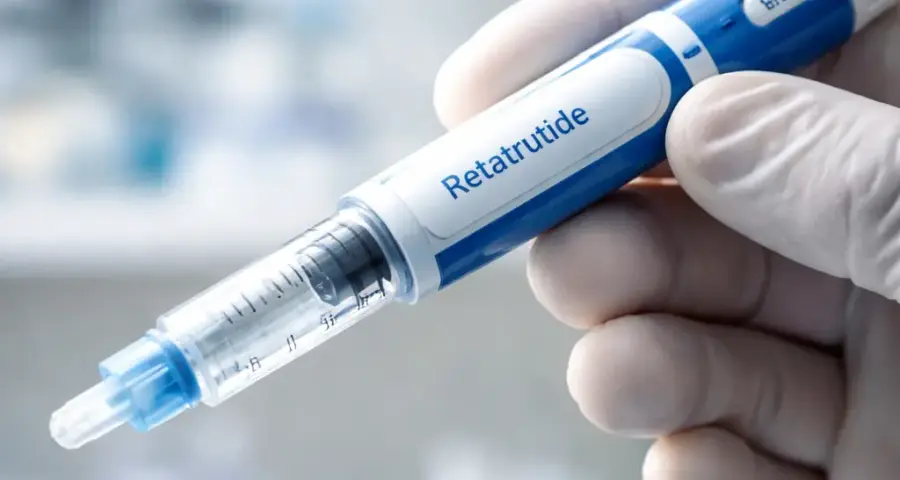
What is Retatrutide?
Retatrutide is a once-weekly injectable drug designed primarily for obesity and metabolic conditions. It targets three receptors at the same time: GLP-1, GIP and glucagon receptors. These hormones help regulate appetite, blood sugar, and how the body uses and stores energy.
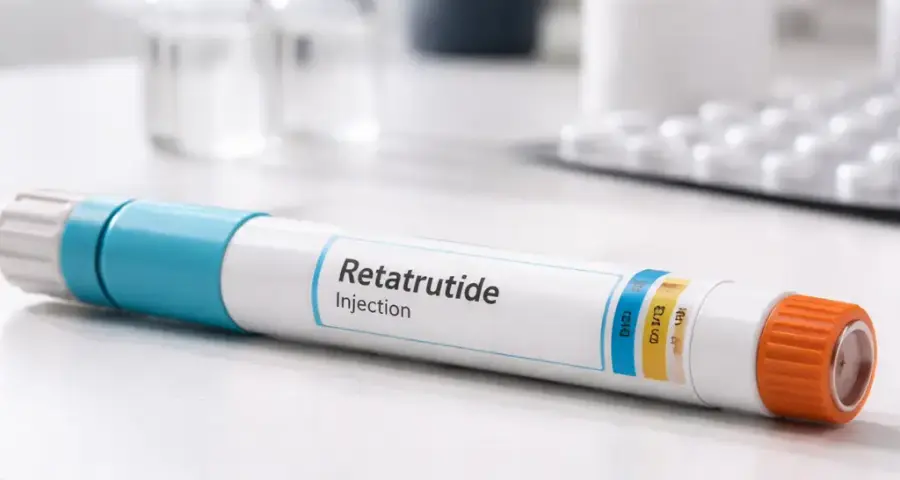
Drugs like semaglutide activate only the GLP-1 receptor, while tirzepatide targets GLP-1 and GIP. By adding glucagon receptor activity into the mix, Retatrutide aims to boost energy expenditure as well as reduce hunger.
How Retatrutide is Thought to Help with Weight Loss
From early research, the way Retatrutide may support weight loss appears to include:
- Reducing appetite and food cravings by acting on appetite centres in the brain
- Slowing stomach emptying, so people feel full for longer after eating
- Improving insulin sensitivity and blood sugar control
- Increasing energy expenditure through its glucagon activity
This multi-pathway approach is why some scientists consider Retatrutide one of the most powerful investigational obesity medicines seen so far.
Highlights from Early Retatrutide Clinical Trials
Early-phase Retatrutide clinical trials reported substantial weight loss in people with obesity, with or without type 2 diabetes. In one widely discussed study published in the New England Journal of Medicine, participants on higher doses lost around a quarter of their body weight over about a year of treatment.
However, these are still relatively short-term data in a controlled research setting. Larger, longer trials are needed to confirm results, track safety over time, and understand how people respond in real-world settings. Until that evidence is in, any projections about lifetime benefits must be considered preliminary.
Retatrutide Availability in Australia and TGA Pathway
Many people searching for Retatrutide availability in Australia want to know if they can access the drug now, or join a trial. At the time of writing, Retatrutide is not approved by the TGA and is not available on prescription in Australia. For a related guide, see Diphtheria Cases Rise: What You Need to Know About the Infection.
How the TGA Will Assess Retatrutide
Before any launch of Retatrutide Australia 2026, the sponsor (Eli Lilly) would need to submit a comprehensive application to the Therapeutic Goods Administration. This typically includes:
- Results from multiple Phase 3 clinical trials
- Detailed safety data, including common and rare adverse events
- Quality data about how the medicine is manufactured and stored
- Risk management plans to monitor side effects after launch
The TGA then reviews whether the benefits clearly outweigh the risks for specific patient groups, such as adults with obesity or overweight with weight-related health problems.
Realistic Timeline for Retatrutide in Australia
Although media headlines have suggested 2026, the actual timing for Retatrutide weight loss drug Australia access depends on global trial completion, overseas approvals, and then the TGA process. A typical sequence may look like:
- Completion of Phase 3 obesity and diabetes trials (ongoing internationally)
- Regulatory submissions to agencies such as the FDA (US) and EMA (EU)
- Applications to the TGA, drawing on the global data package
- TGA review and potential approval with specific indications and requirements
- Subsequent consideration by the Pharmaceutical Benefits Advisory Committee (PBAC) for PBS subsidy, if the sponsor applies
Even if the underlying science is strong, each of these steps takes time. Australians should be prepared for the possibility that Retatrutide may not be widely accessible, or PBS‑subsidised, until some time after an initial approval.
Benefits and Retatrutide Side Effects Compared with Other Weight Loss Drugs
Anyone looking at Australian weight loss medication options will naturally compare potential benefits and risks between the new wave of drugs.
Potential Benefits of Retatrutide
Based on early trial data, potential benefits of Retatrutide could include:
- Very high average weight loss (in some trials, nearing 25% of body weight at higher doses)
- Improvements in blood sugar and insulin sensitivity in people with type 2 diabetes
- Possible favourable effects on blood pressure, cholesterol and liver fat
- Once‑weekly dosing, similar to other modern injectables
Importantly, these benefits apply on average in trial participants who stayed on therapy, alongside structured diet and activity support. Individual results in real life will vary.
Known and Expected Retatrutide Side Effects
Like other powerful hormone-based obesity medications, Retatrutide side effects primarily affect the gut and digestive system. Reported and expected issues include:
- Nausea, vomiting and diarrhoea, especially when doses increase
- Constipation and abdominal discomfort
- Loss of appetite that may be too strong for some people
- Gallbladder problems (such as gallstones), which are also seen with other GLP‑1 based drugs
- Small increases in heart rate, which will need further long‑term safety evaluation
In trials, many side effects were manageable by slowly increasing the dose and using supportive care, but some people stopped treatment because of tolerability problems. Long‑term safety, including rare events, will need careful tracking after any approval.
How Retatrutide Compares with Existing Medications
To place Retatrutide in context, it helps to compare it with current options used in Australia.
| Medication | Typical Use in Australia | Approximate Average Weight Loss in Trials* |
|---|---|---|
| Semaglutide (Wegovy) | GLP‑1 agonist for obesity (limited availability) | ~15% of body weight |
| Tirzepatide (Mounjaro/Zepbound) | Dual GLP‑1/GIP agonist, diabetes/obesity (early stages in AU) | ~20% of body weight |
| Retatrutide (investigational) | Triple agonist (GLP‑1/GIP/glucagon), not yet approved | Up to ~24–25% of body weight in early trials |
*Figures are broad trial averages over about one year and may not match individual results.
While Retatrutide appears particularly potent, the flip side is a higher chance of strong side effects. Any future Australian guidelines will likely stress careful patient selection and gradual dose titration.
Australian Context: Obesity, Healthcare Access and Future Use of Retatrutide
For Retatrutide Australia 2026 discussions to be meaningful, they need to be grounded in how obesity care actually works here.
Obesity in Australia: The Current Picture
According to the Australian Institute of Health and Welfare, around two in three Australian adults live with overweight or obesity, and roughly one in three have obesity. These rates are higher in some regional and lower‑socioeconomic communities, and among certain First Nations populations.
Obesity is linked to type 2 diabetes, heart disease, sleep apnoea, musculoskeletal problems and several cancers. High‑quality lifestyle support and access to multidisciplinary care can be patchy, especially outside major cities. This context shapes how new medications like Retatrutide might be used.
Access Through GPs, Specialists and Obesity Clinics
If and when the Retatrutide weight loss drug Australia approval comes through, practical access will likely follow the patterns of existing injectables:
- GPs may be the first point of contact, initiating treatment for eligible patients and managing ongoing care.
- Endocrinologists and obesity medicine specialists may handle more complex cases, such as people with severe obesity, diabetes, or multiple comorbidities.
- Public obesity clinics and hospital‑based services might offer the drug as part of multidisciplinary programs, where available.
In many cases, doctors will want to see documented attempts at lifestyle interventions and possibly other therapies before starting a powerful injectable like Retatrutide.
Medicare, PBS and Private Health Insurance Considerations
Whether Australians can afford Retatrutide will depend heavily on subsidy and coverage decisions:
- Medicare will cover GP and specialist consultations, but not the drug cost itself.
- PBS listing would substantially reduce out‑of‑pocket costs, but requires PBAC to agree that Retatrutide is cost‑effective for defined patient groups.
- Private health insurance typically does not cover outpatient prescription medications, so most of the financial relief would come from the PBS rather than private cover.
Given that similar obesity medications have had slow and complex PBS pathways, Australians should be cautious about assuming rapid, broad subsidies for Retatrutide. There may be strict criteria based on BMI, health complications and prior attempts at weight loss.
Practical Advice for Australians Considering Future Weight-Loss Medications
Even though Retatrutide availability in Australia is still some years away, there are practical steps Australians can take now. For a related guide, see Dementia Vaccine Breakthrough Gives Hope to Millions Worldwide.
1. Have an Honest Conversation with Your GP
Ask your GP for a full review of your weight, metabolic health and risk factors. Discuss current Australian weight loss medication options, including lifestyle programs, existing injectables where appropriate, and when bariatric surgery might be considered.
2. Understand That Medications Are Tools, Not Cures
Whether it is semaglutide, tirzepatide or Retatrutide, these drugs work best alongside structured nutrition, physical activity, sleep and mental health support. If therapy stops, some or much of the lost weight can return. Long‑term planning matters more than chasing the newest drug.
3. Weigh Benefits, Risks and Values
Before starting any future medication like Retatrutide, you and your doctor should balance:
- Your current weight, health conditions and family history
- Expected benefits in terms of weight, diabetes control and quality of life
- Possible side effects and how you would manage them
- Cost, availability and likelihood of long‑term access
A personalised, realistic plan will almost always outperform a “quick‑fix” mindset.
4. Be Cautious About Overseas Clinics and Online Offers
Until the TGA approves Retatrutide, any offers to supply it to Australians are highly suspect and potentially dangerous. Compounded or unapproved products bought online may not contain what they claim, may be dosed incorrectly, and are not subject to Australian safety monitoring. Discuss any overseas or online options with your doctor before taking action.
5. Stay Informed Through Trusted Sources
As more data on Retatrutide clinical trials emerges, high‑quality sources like peer‑reviewed journals, TGA updates and major medical organisations will provide balanced information. Media headlines often oversimplify; your health decisions deserve deeper detail.
Useful Resources
For readers who want to follow developments and better understand the evidence around obesity medications:
- New England Journal of Medicine – peer‑reviewed clinical trial publications
- Therapeutic Goods Administration (TGA) – Australian medicine safety and approval updates
Frequently Asked Questions About Retatrutide
Is Retatrutide currently available in Australia?
No. At present, Retatrutide is not approved by the TGA and cannot be prescribed in Australia outside of tightly controlled clinical trials, if any are running locally. Australians should be wary of any online offers claiming to sell Retatrutide, as these are unlikely to be legitimate or safe.
When might Retatrutide be approved in Australia?
The timing for any approval of Retatrutide weight loss drug Australia depends on completion of Phase 3 trials, regulatory submissions overseas, and then a full TGA review. Optimistic speculation suggests around 2026, but there is no guaranteed date and the process could take longer.
How much weight could people lose with Retatrutide ?
In early Retatrutide clinical trials, participants on higher doses lost around 20–25% of their body weight over roughly a year, alongside diet and lifestyle support. These are averages from research settings; real‑world results will vary widely between individuals, and some people may lose much less.
Who might be eligible for Retatrutide if it is approved?
Eligibility criteria will be set by the TGA and clinical guidelines, but it will likely be aimed at adults with obesity (for example BMI ≥30) or overweight (BMI ≥27) with weight‑related conditions such as type 2 diabetes, sleep apnoea or cardiovascular disease. Exact criteria, including for any PBS subsidy, will only be known after regulatory decisions.
How does Retatrutide differ from Ozempic or Wegovy?
Ozempic and Wegovy contain semaglutide, a GLP‑1 receptor agonist that targets a single hormone pathway. Retatrutide is a triple agonist that acts on GLP‑1, GIP and glucagon receptors, aiming to reduce appetite, improve blood sugar and increase energy expenditure. This multi‑target action may explain its higher average weight loss in trials, but also its side‑effect profile.
What are the most common Retatrutide side effects?
The most common Retatrutide side effects reported in studies are gastrointestinal, including nausea, vomiting, diarrhoea, constipation and abdominal discomfort. Some people also experience reduced appetite that feels too strong, gallbladder issues and slight increases in heart rate. Many side effects improve over time or with slower dose increases, but some patients need to stop treatment.
Will Retatrutide be a cure for obesity?
No medication is a cure for obesity. Retatrutide may become a powerful tool to help manage weight and metabolic health, but it will still need to be combined with lifestyle and behavioural changes. If treatment stops, weight regain is common, so long‑term strategies are crucial. For a related guide, see Polycystic Ovary Syndrome Symptoms Every Woman Should Know.
Could Retatrutide be used for people with type 2 diabetes?
Early data suggest benefits for glucose control in people with type 2 diabetes, but approved indications will depend on trial outcomes and regulatory decisions. It is possible that Retatrutide will be approved for both obesity and type 2 diabetes, similar to other medications in this class, but details are not yet known.
Is Retatrutide safe for long-term use?
Long‑term safety is one of the key questions ongoing trials aim to answer. While early studies up to about a year are encouraging, rare or delayed side effects often only appear with longer follow‑up and wider real‑world use. Regulators like the TGA will likely require ongoing safety monitoring even after any approval of Retatrutide.
Can I join a Retatrutide clinical trial in Australia?
Clinical trial availability changes over time and by location. To see whether any Retatrutide clinical trials are open in Australia, you can check the Australian New Zealand Clinical Trials Registry or discuss with an endocrinologist at a major hospital. Never enrol in a trial or take an investigational drug without proper ethical approval and medical supervision.
How much might Retatrutide cost in Australia?
The eventual price is unknown. Similar injectable obesity medications without PBS subsidy can cost hundreds of dollars per month. If Retatrutide is listed on the PBS for certain groups, out‑of‑pocket costs could drop significantly for eligible patients. Until decisions are made, any cost figures are speculation.
Will Retatrutide be covered by the PBS?
Potential PBS coverage would require a separate submission to the PBAC after TGA approval. The committee weighs clinical effectiveness and cost‑effectiveness compared with existing therapies. Given budget pressures and other Australian weight loss medication options, listing may be restricted to specific patient groups or take time to achieve.
Is Retatrutide suitable for teenagers or children?
So far, most trials of Retatrutide have focused on adults. Whether it will ever be approved for adolescents or children depends on dedicated paediatric studies and regulatory review. Until clear evidence and guidance exist, Retatrutide should be considered an adult‑only investigational medicine.
What happens if you stop taking Retatrutide ?
Based on experience with similar medications, people who stop treatment usually regain some or much of the lost weight over time, especially if lifestyle supports are not in place. Retatrutide will likely need to be part of a long‑term management plan, not a short‑term fix, although the exact patterns of weight regain will become clearer as more data emerge.
Can Retatrutide replace bariatric surgery?
For some people, potent medications like Retatrutide may reduce the need for bariatric surgery or delay it, but surgery will likely remain the best option for certain patients with severe obesity or complex medical problems. Decisions between medication and surgery should be made with a specialist obesity team, considering individual risks, goals and preferences.
Are there lifestyle changes I should start now if I might use Retatrutide later?
Yes. Building consistent habits around nutrition, physical activity, sleep and stress management now will improve your health regardless of future medications. If you eventually start Retatrutide, these foundations will help you tolerate treatment better, protect muscle mass and maintain weight loss in the long term.
Will Retatrutide interact with other medications?
Because Retatrutide affects digestion and metabolism, it may alter how some oral medicines are absorbed, and it can impact blood sugar control in people taking diabetes drugs. Any future prescribing information will specify interactions and precautions. It is essential to provide your GP or specialist with a complete list of medications and supplements before starting any new treatment.
Can I buy Retatrutide online from overseas pharmacies?
Buying Retatrutide online from overseas or unregulated sources is strongly discouraged. Products may be counterfeit, contaminated or incorrectly dosed, and you would not have the safety protections offered under Australian regulation. Always obtain prescription medications through legitimate Australian pathways under medical supervision.
How can I stay updated about Retatrutide news in Australia?
You can follow updates from the TGA, major Australian medical organisations and reputable health news outlets, and discuss developments at regular appointments with your GP or endocrinologist. As more evidence about Retatrutide emerges, clinicians will gradually incorporate it into obesity and diabetes management discussions if and when it is approved.
Should I wait for Retatrutide or start another treatment now?
Most experts would not recommend delaying treatment for several years in the hope of a future drug. Addressing weight and metabolic health now with existing options—lifestyle interventions, currently available medications and, where appropriate, bariatric surgery—can reduce your risk of complications sooner. You and your doctor can always reassess if Retatrutide becomes available and is suitable for your situation.