

What Is Ebola Key Takeaways
What Is Ebola is a question many Australians ask when major outbreaks appear in the news, even though cases here are extremely rare.
- The most important What Is Ebola fact is that it is a deadly viral disease spread through direct contact with the bodily fluids of an infected person or animal, not through the air.
- Ebola symptoms and causes usually start like the flu, then can rapidly worsen into severe bleeding and organ failure without urgent medical care.
- For Australians, knowing how Ebola spreads and simple prevention steps when travelling to outbreak regions is key to staying safe and helping prevent global spread.
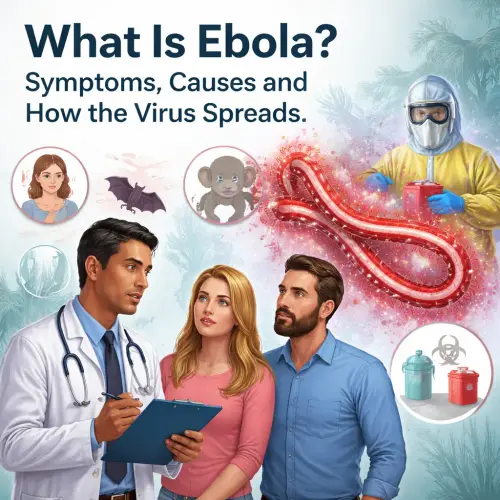
What Australians Should Know First About What Is Ebola
For Australians, understanding What Is Ebola is less about day‑to‑day risk at home and more about being informed global citizens. Ebola virus disease (EVD) almost always occurs in specific parts of Africa, but outbreaks can affect Australians who travel, work in healthcare, or take part in peacekeeping and aid missions. For a related guide, see Australia Faces Measles Surge in 2026 | Latest Health Updates.
Ebola is a severe, often fatal infection caused by a group of viruses known as ebolaviruses. The disease has a high death rate in areas with limited healthcare, which is why fast recognition, isolation and international support are so important. While Australia has had no locally acquired Ebola cases, strong border controls, quarantine procedures and hospital infection‑control plans are in place if a case arrives from overseas. For a related guide, see What Is Meningococcal disease? Symptoms Australians Should Never Ignore.
What Is Ebola Virus Disease? History, Types and Key Facts
To answer What Is Ebola in detail, it helps to look at where it came from and how it behaves. Ebola virus disease was first recognised in 1976 during simultaneous outbreaks in what is now the Democratic Republic of the Congo (near the Ebola River, which gave the virus its name) and South Sudan.
The Ebola virus belongs to the Filoviridae family. Several species can infect humans, including Zaire ebolavirus (the most deadly and the cause of the 2014–2016 West African outbreak), Sudan ebolavirus and Bundibugyo ebolavirus. These viruses are thought to live naturally in some fruit bats, which likely act as a reservoir.
Major Ebola outbreaks and why they matter to Australians
Most outbreaks have been relatively small and contained. However, the 2014–2016 outbreak in West Africa infected more than 28,000 people and killed over 11,000, spreading across Guinea, Liberia and Sierra Leone, with cases exported to Europe and the United States.
These large outbreaks matter to Australians because they demonstrate how quickly a viral disease can cross borders through international travel. They also triggered global efforts in vaccine development, rapid diagnostics and stronger public health systems—changes that shape how Australia prepares for imported infectious diseases.
Ebola Signs and Early Symptoms vs Advanced Disease
Recognising Ebola signs and early symptoms is critical, especially for people who have travelled to or worked in areas with Ebola transmission. The illness usually begins suddenly, with symptoms appearing 2 to 21 days after exposure (most often between 8 and 10 days).
Early Ebola symptoms that can be mistaken for flu
In the early phase, Ebola symptoms and causes can look very similar to other infections such as flu, COVID‑19 or malaria. Common early symptoms include:
- Sudden high fever and chills
- Severe headache
- Muscle and joint pain
- Extreme fatigue and weakness
- Sore throat
- Loss of appetite
Because these Ebola signs and early symptoms are non‑specific, doctors rely heavily on travel history and exposure risk. In Australia, any unwell person who has recently travelled to a known Ebola‑affected region would be assessed carefully using strict infection‑control precautions.
Advanced symptoms and complications
Within a few days of onset, Ebola can progress to more severe symptoms such as:
- Abdominal pain
- Severe diarrhoea and vomiting (which can cause dangerous dehydration)
- Rash
- Red eyes and chest pain
- Internal and external bleeding (for example, from the gums or in the stool)
- Confusion, agitation or loss of consciousness
Bleeding does not occur in every case, but when present it is a serious sign. In advanced disease, Ebola can lead to organ failure, shock and death without intensive medical care. Survivors may experience long‑term issues including joint pain, eye problems and fatigue.
Ebola Symptoms and Causes: How Infection Actually Occurs
When we talk about Ebola symptoms and causes, the “cause” is always infection with an ebolavirus, but the way that infection happens is important. Ebola is a zoonotic disease, meaning it originally spreads from animals to humans, then from human to human.
Animal sources and spillover events
The exact animal reservoir is not fully proven, but certain fruit bats are the leading suspects. People may first become infected through:
- Handling or butchering infected wild animals (such as bats, monkeys or great apes)
- Exposure to bat‑infected fruit or animal carcasses found in forests
- Close contact with environments contaminated with infected animal fluids
These initial “spillover” cases can then trigger human‑to‑human transmission if infection‑control measures are not in place.
Human behaviours that increase risk
Once Ebola reaches humans, certain practices can fuel spread, including:
- Caring for sick family members at home without protective equipment
- Traditional burial practices involving washing and touching the deceased
- Overcrowded healthcare settings with limited gloves, gowns and masks
- Delayed recognition of the outbreak, so early patients are not isolated
Understanding these causes has helped shape global guidelines for Ebola transmission and prevention, including safe burials, community education and community‑based surveillance.
How Ebola Spreads Between People and Across Borders
For Australians, one of the most important questions is how Ebola spreads and whether it can be caught through casual contact or air travel. Ebola is not airborne like measles or COVID‑19. It spreads through direct contact with infectious body fluids.
Person‑to‑person Ebola transmission
The virus is present in blood and many other bodily fluids of someone who is sick with Ebola or has died from it. These include:
- Blood
- Vomiting and diarrhoea
- Saliva and mucus
- Urine and faeces
- Sweat (especially in late‑stage disease)
- Breast milk and semen
Transmission happens when these fluids enter another person’s body through broken skin (even tiny, unseen cuts) or mucous membranes such as the eyes, nose or mouth. This can occur during close physical care, handling contaminated bedding or needles, or unsafe burial practices.
Surfaces, objects and healthcare settings
Ebola can survive on surfaces for several hours to days, particularly in body fluids. Objects such as needles, syringes, clothing or medical equipment can spread infection if they are not properly cleaned and disinfected. That is why strict infection‑control procedures—gloves, gowns, masks, protective eyewear and proper sterilisation—are non‑negotiable in Ebola treatment centres.
Animals, food and travel‑related risks
People may also become infected by handling raw meat from infected wild animals (sometimes called “bushmeat”). Cooking meat thoroughly kills the virus, but hunting, butchering and preparation carry high risk.
In terms of cross‑border spread, air travel plays an indirect role. People incubating the virus (who may have no symptoms yet) can board flights and become sick later, potentially in another country. Australia manages this risk through travel advisories, airport health screening and clear protocols for airlines and emergency response if a suspected case is identified.
Diagnosis, Treatment and Prognosis: Key Ebola Virus Information for Australians
Reliable Ebola virus information for Australians includes how the disease is diagnosed and treated in modern healthcare systems. In suspected cases, speed and safety are critical.
How Ebola is diagnosed
Doctors consider Ebola if a patient has compatible symptoms plus a history of travel to, or contact with, someone from an Ebola‑affected area. Laboratory staff must handle blood samples under high biosafety conditions. Tests include:
- Polymerase chain reaction (PCR) tests to detect viral genetic material
- Antigen tests in some settings
- Antibody tests in later stages or for past infection
In Australia, specialised reference laboratories would confirm any suspected case using strict biosafety protocols, coordinated with public health authorities.
Treatment: what is available now
There is no simple cure, but supportive care has greatly improved survival. This includes:
- Aggressive rehydration with oral or intravenous fluids
- Electrolyte correction
- Oxygen support and blood pressure stabilisation
- Treatment of secondary infections (such as bacterial sepsis)
In recent outbreaks, specific antiviral treatments and monoclonal antibody therapies have shown promising results and are used within clinical guidelines. Several Ebola vaccines exist and are deployed in outbreak zones to protect contacts and frontline workers, though they are not used for routine vaccination in Australia.
Prognosis and recovery
Outcomes depend on many factors, including the virus species, how quickly treatment starts and underlying health. Mortality in resource‑limited outbreaks has ranged from around 25% to over 70%. In well‑resourced settings with intensive care, survival improves significantly.
Survivors may experience fatigue, joint and muscle pains, headaches, eye problems and mental health impacts. In some cases, the virus can persist for months in immune‑privileged sites like the eyes or testes, so follow‑up care and safe‑sex counselling are vital.
Ebola Transmission and Prevention: Practical Protection for Australians
From an Australian perspective, Ebola transmission and prevention is mostly about safe travel, robust health systems and being prepared for rare imported cases. The everyday risk for people living in Australia is extremely low.
Travel advice for Australians
If you are travelling to or working in regions where Ebola is active, consider the following checklist:
- Check the latest advice on the Australian Government Smartraveller website before you go.
- Avoid contact with sick individuals, funerals and burial rituals that involve touching the deceased.
- Do not handle wild animals or consume bushmeat; eat only well‑cooked foods.
- Follow local public health advice and obey movement restrictions during any outbreak.
- If you feel unwell during travel or within 21 days of return, seek medical care immediately and tell the doctor about your travel history.
Infection control and public health measures in Australia
Australian hospitals and public health agencies maintain detailed plans for suspected Ebola cases. These include:
- Rapid isolation of suspected patients in specialised facilities
- Use of full personal protective equipment by healthcare workers
- Contact tracing and monitoring of exposed individuals for 21 days
- Laboratory biosafety and secure transport of specimens
These systems are aligned with guidelines from the World Health Organization (WHO) and the Australian Department of Health, and are regularly tested and updated.
At‑a‑Glance: Ebola Signs, Transmission Routes and Prevention Tips
The table below summarises key Ebola virus information for Australians—from early signs to prevention steps when travelling.
| Category | Key Details | What Australians Should Do |
|---|---|---|
| Early symptoms | Fever, headache, muscle pain, fatigue, sore throat | After travel to outbreak areas, seek urgent medical advice if these develop within 21 days. |
| Advanced symptoms | Vomiting, diarrhoea, rash, bleeding, confusion, organ failure | A medical emergency anywhere in the world; immediate hospital care is vital. |
| Main transmission | Direct contact with blood or body fluids of a sick or deceased person, or infected animals | Avoid direct contact, use protective equipment if in healthcare or aid work, and follow local guidance. |
| Not typical transmission | Not airborne like flu; not spread by casual contact at a distance | Understand risk realistically to avoid panic but still respect precautions. |
| Prevention while travelling | Avoid sick people, unsafe burials, bushmeat, and poorly controlled healthcare settings | Follow Smartraveller alerts and WHO advice, and keep travel insurance up to date. |
Useful Resources
For readers wanting deeper, regularly updated detail beyond this overview, the following trusted resources provide comprehensive Ebola virus information for Australians and global guidance:
- Australian Government Department of Health – Ebola virus disease overview
- US Centers for Disease Control and Prevention (CDC) – Ebola (Ebola Virus Disease)
For Australians, the bottom line is that knowing What Is Ebola—its symptoms, how it spreads and how it is controlled—supports both personal safety when travelling and Australia’s role in global health security.
Frequently Asked Questions About What Is Ebola
Is Ebola present in Australia now?
There are currently no known locally acquired Ebola cases in Australia. Past Australian involvement with Ebola has focused on supporting international outbreak responses and managing a small number of returned healthcare workers under strict quarantine, rather than treating community cases here.
Can I catch Ebola on a plane from another passenger?
Ebola does not spread through the air like measles or COVID‑19, so simply sharing cabin air is not a major risk. Transmission would require direct contact with the blood or body fluids of a clearly unwell person, which is very unlikely in the controlled environment of commercial flights, especially with airline and border health protocols in place.
What should I tell my GP if I feel unwell after travel to Africa?
If you become unwell within 21 days of returning from an Ebola‑affected region, call ahead before visiting your GP or emergency department. Clearly state where you travelled, what you did (including any hospital visits or funerals) and your symptoms, so staff can assess your risk and use appropriate infection‑control measures.
How long after exposure do Ebola symptoms usually appear?
The incubation period for Ebola ranges from 2 to 21 days, with most people showing symptoms between 8 and 10 days after exposure. People are not considered contagious before symptoms start, but once fever and other signs appear, their bodily fluids can contain high levels of virus.
Is there an Ebola vaccine available in Australia?
Several Ebola vaccines exist and are used in outbreak regions to protect contacts and frontline workers, but they are not part of routine vaccination programs in Australia. Access to these vaccines for Australians would be arranged through public health authorities if you were taking part in an official deployment to an Ebola‑affected area.
Can Ebola spread through casual contact like shaking hands?
Casual contact such as briefly shaking hands with someone who is well is extremely unlikely to transmit Ebola. Risk increases when there is direct contact with the blood or body fluids of someone who is sick, particularly if you have cuts on your skin or touch your eyes, nose or mouth afterwards without washing your hands.
Does Ebola spread through mosquito bites?
Current evidence does not support transmission of Ebola through mosquito bites. The virus spreads mainly via direct contact with the bodily fluids of infected people or animals, or through contaminated objects such as needles, rather than through insect vectors like mosquitoes.
How dangerous is Ebola compared with COVID‑19?
Ebola is far deadlier on a case‑by‑case basis, with much higher mortality in untreated settings than COVID‑19, but it spreads less easily and tends to remain confined to specific regions. COVID‑19, being airborne and often mild at first, spread globally much more easily, while Ebola usually requires very close contact with bodily fluids to transmit.
What protective gear do healthcare workers use for Ebola?
Healthcare workers caring for Ebola patients use full personal protective equipment, including impermeable gowns or coveralls, double gloves, masks or respirators, eye protection, and sometimes head and shoe covers. Donning and removing this gear correctly is critical to prevent accidental exposure to infectious fluids.
Can someone recover from Ebola and still be infectious?
Yes, survivors can still carry the virus in certain body sites such as the testes or eyes for months after recovery, even though they no longer have symptoms. This is why follow‑up care and guidance on safe sex, including condom use and testing of semen where advised, are important to prevent rare cases of sexual transmission.
Is it safe to travel to Africa during or after an Ebola outbreak?
It can be safe to travel to many parts of Africa that are far from affected regions, but you should always check Smartraveller and WHO updates. If you must go to an affected area, follow local public health advice closely, avoid high‑risk activities and ensure you have comprehensive travel insurance and a clear emergency plan.
How do authorities in Australia respond to a suspected Ebola case?
When a suspected case is identified in Australia, health authorities rapidly isolate the patient, implement strict infection‑control measures, arrange specialised laboratory testing and begin contact tracing. They also communicate with national and international partners to ensure coordinated management and transparent public information.
Are children affected by Ebola differently from adults?
Children can develop the same range of Ebola symptoms as adults and may be particularly vulnerable to dehydration and shock due to smaller body size. Outcomes depend on access to rapid, high‑quality supportive care, which includes fluid replacement, nutrition and treatment of complications in paediatric‑appropriate settings.
Can Ebola be treated at a regular hospital in Australia?
While any hospital can initially assess a suspected case, confirmed Ebola patients would typically be transferred to designated high‑level isolation facilities with specialised equipment and trained staff. These centres are prepared to deliver intensive supportive care while maximising protection for healthcare workers and other patients.
What should aid workers from Australia know before deploying to an Ebola zone?
Aid workers should undergo formal pre‑deployment training on Ebola transmission, use of personal protective equipment, local protocols and mental health resilience. They should also clarify evacuation procedures, insurance coverage and post‑deployment monitoring requirements with their organisation and Australian health authorities.
Can pets bring Ebola back to Australia?
The risk of pets importing Ebola into Australia is considered extremely low. Importation of animals is tightly regulated with quarantine and health checks, and Ebola outbreaks are geographically limited. Currently, there is no evidence that common companion animals play a significant role in Ebola spread in non‑affected countries.
How is Ebola different from other viral haemorrhagic fevers?
Ebola is one of several viral haemorrhagic fevers, a group that includes Marburg, Lassa and Crimean‑Congo haemorrhagic fever. They share features such as fever and bleeding tendencies, but are caused by different viruses with distinct reservoirs, geographic ranges and specific prevention and treatment strategies.
Does cooking food kill the Ebola virus?
Yes, normal cooking temperatures are sufficient to inactivate Ebola virus in food. The primary risk lies not in eating properly cooked food but in handling raw meat or blood from infected wild animals, which is why avoiding bushmeat and practising safe food handling are key in affected regions.
When should someone in Australia seek urgent medical help for possible Ebola?
Anyone in Australia who develops fever or flu‑like symptoms within 21 days of visiting an Ebola‑affected area, or who has had close contact with a confirmed case, should seek urgent medical advice. Call ahead before attending a clinic or hospital, explain your travel or exposure history, and follow the instructions provided by health professionals. For a related guide, see Polycystic Ovary Syndrome Symptoms Every Woman Should Know.
Will understanding What Is Ebola really help protect Australians?
Understanding What Is Ebola helps Australians respond calmly and correctly during global outbreaks, support evidence‑based policies and take sensible precautions when travelling or working overseas. Informed communities are less likely to panic, more likely to follow public health advice and better able to contribute to global efforts to control infectious diseases.