

England World Cup Squad 2026 Key Takeaways
The England World Cup Squad 2026 is officially locked in, with Thomas Tuchel making some brave, very modern calls that Aussies who live on Premier League coverage will instantly recognise.
- The England World Cup Squad 2026 blends established Premier League stars with bold youth picks, built for an aggressive pressing style.
- Tuchel has left out some big names in favour of tactical fit, which will shape how the England 2026 World Cup team looks against fellow heavyweights.
- From an Australian lens, this squad sets up a fascinating contrast with the Socceroos’ grit‑first identity and offers several must‑watch group and knockout fixtures.
Why the England World Cup Squad 2026 Matters So Much to Aussie Fans
For Australian viewers who spend their weekends glued to Optus Sport and late‑night Premier League fixtures, the England World Cup Squad 2026 feels almost as familiar as the Socceroos. Many of England’s starters are week‑in, week‑out faces on Australian screens, making this squad announcement more than just overseas news. For a related guide, see NBA Schedule 2026: Full Fixtures, Game Times and Match Updates.
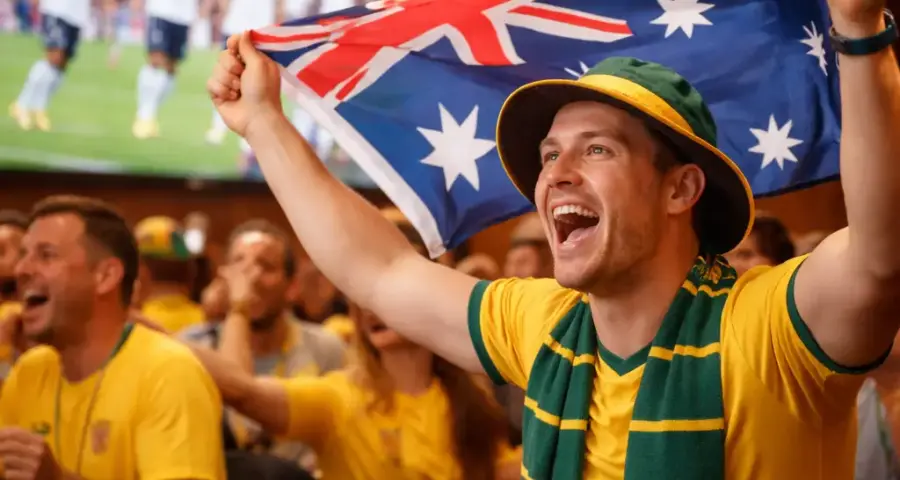
With Thomas Tuchel now in charge, England’s approach looks more tactical and system‑driven than in previous tournaments. That creates an intriguing comparison with Australia’s own pragmatism under Graham Arnold and the ongoing evolution of the A‑League and national youth pathways.
Tuchel England Squad 2026: Selection Philosophy and Tactical Blueprint
The Tuchel England squad 2026 has clearly been built around a few core ideas: pressing intensity, positional flexibility and ball‑secure defenders. Rather than simply picking the “best” 23 names, Tuchel has prioritised players who can execute his exact game model.
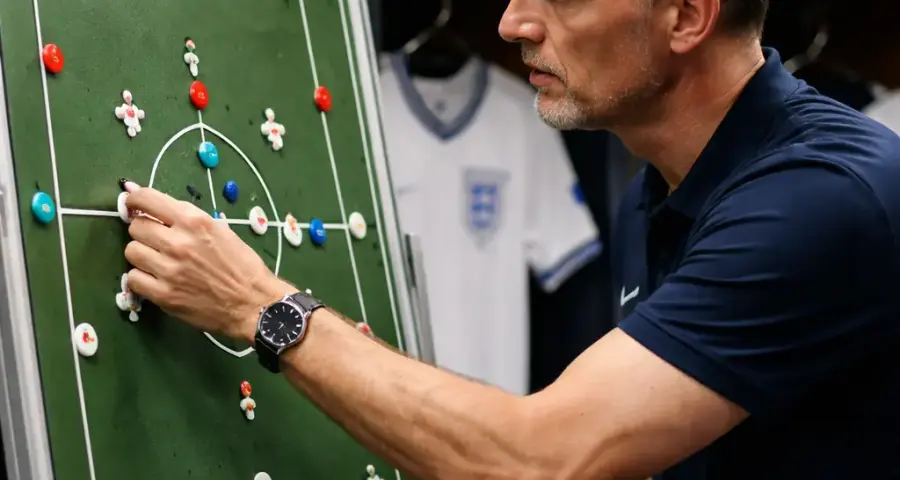
Pressing over reputation
From the front line through midfield, Tuchel has favoured players used to high‑pressing systems at club level. For Aussie fans used to seeing the Socceroos outwork technically superior opponents, this emphasis on work rate and structure will feel very familiar, just with a far deeper talent pool.
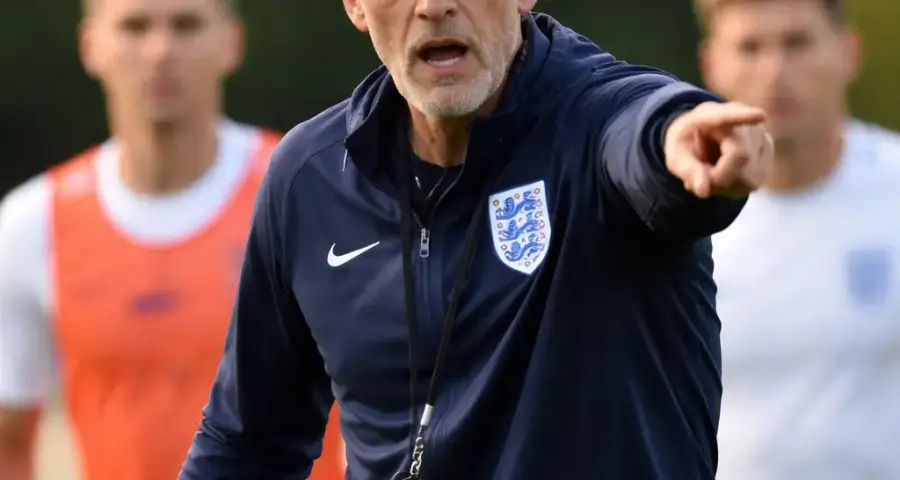
Tactical versatility in every line
Tuchel’s calling card at Chelsea, PSG and Bayern was flexibility between a back three and a back four. The England World Cup 2026 confirmed squad is stacked with full-backs who can tuck into midfield and centre-backs comfortable stepping into wide channels, allowing in‑game shape shifts. For a related guide, see Sidemen Charity Match 2026 Is Back With Huge Lineup News.
Risk and reward on the ball
Rather than the conservative tournament football many England fans grew used to under Gareth Southgate, Tuchel has leaned into aggressive, vertical build‑up. That will appeal to Aussie neutrals who enjoy fast transitions and bold passing, but it also increases the risk of high‑profile errors on the biggest stage.
Breaking Down the England World Cup Squad 2026 by Position
While exact shirt numbers and final in‑game roles will evolve, the spine of the England 2026 World Cup team is clear. Below is a simplified snapshot of how the squad looks by line, highlighting the types of calls Tuchel has made rather than an exhaustive list of names.
| Position Group | Tuchel’s Key Priority | Talking Point for Aussie Fans |
|---|---|---|
| Goalkeepers | Ball-playing, calm under press | More sweeper‑keepers than traditional shot‑stoppers |
| Defenders | Versatile back three/four options | Ball‑playing centre‑backs like you see weekly in the Premier League |
| Midfielders | Press resistance and tempo control | Deep‑lying playmakers vs Australia’s typically combative sixes |
| Forwards | High pressing and fluid movement | Wing‑forwards who double as creators, not just finishers |
Goalkeepers: Composed sweepers over pure shot‑stoppers
In goal, the England World Cup 2026 confirmed squad leans heavily towards keepers comfortable playing out from the back under pressure. Tuchel has clearly favoured those used to building from deep in the Premier League.
For Aussie fans, this will look very different from the Mat Ryan mould of reliable, busy shot‑stopper. Expect England’s keeper to spend as much time starting moves as saving them, which could be exhilarating or catastrophic depending on how opponents press.
Defenders: Ball‑playing centre‑backs and hybrid full‑backs
At the back, Tuchel’s big calls centre on technical quality and versatility rather than just height and strength. Centre‑backs who can break lines with passing and carry the ball forward have been favoured, even if it means leaving out more traditional, no‑nonsense defenders.
For Australian viewers used to seeing the Socceroos lean on organisational discipline and aerial dominance, this is a notable contrast. England’s defence is designed to dominate possession and compress the pitch rather than sit deep and clear their lines.
Midfielders: The control room of the England 2026 World Cup team
Midfield is where Tuchel has arguably made his boldest selection calls. The core group includes a mix of box‑to‑box runners, deep‑lying playmakers and creative eights who drift into half-spaces. Several high‑profile names have reportedly missed out due to concerns about defensive work rate or tactical discipline.
From an Australian perspective, this is where you see the clearest difference in resources between England and the Socceroos. While Australia typically leans on industrious, hard‑tackling midfielders, England can rotate multiple ball‑dominant players who start for top‑six Premier League clubs. For a related guide, see Rugby League 2026: Key Matches, Results, and Breaking News.
Forwards: Press-first, multi‑functional attackers
Up front, the Tuchel England squad 2026 prioritises attackers who can press aggressively, rotate positions and link play. Classic penalty‑box poachers are less favoured than forwards who can drop into midfield or drift wide, similar to the modern roles Australian fans see from stars at Manchester City, Liverpool and Arsenal.
There are also a few eye‑catching youth inclusions based on upside and club form, even at the expense of older, more established names. That blend of risk and potential fireworks will make England one of the more entertaining sides for neutrals in Australia to follow.
Big Calls in the England World Cup Squad 2026 Announcement
The England World Cup squad announcement 2026 has already sparked fierce debate in UK media and on Australian social feeds. The major talking points fall into three categories Aussies will relate to from Socceroos campaigns: trusted veterans dropped, form players rewarded, and tactical gambles.
Notable inclusions Aussies will recognise instantly
Several players who dominate Premier League coverage on Australian broadcasters are central to Tuchel’s plans. These include technically gifted attacking midfielders and full‑backs comfortable operating almost as wingers. For Aussie fans who have built a soft spot for particular clubs, seeing those familiar faces in England shirts will be a major draw.
Shock omissions and aging stars left at home
Every World Cup cycle has its headline omission, and the England World Cup Squad 2026 is no different. A handful of big‑name veterans, many with strong tournament resumes, have missed out. Tuchel appears to have prioritised current form, physical freshness and tactical fit over sentiment.
Australian supporters who remember similar debates around late‑career Socceroos icons will recognise this tension: do you reward experience, or back the next generation? Tuchel has clearly chosen the latter.
High‑risk, high‑reward selections
Finally, a cluster of young or relatively unproven players have made the plane based on rapid club breakthroughs. From an Australian angle, these are the kinds of talents you might have first noticed in midweek Champions League rounds or Carabao Cup ties on streaming platforms.
If they click, England’s ceiling spikes. If the pressure proves too much, the criticism of Tuchel’s “bravery” will be ruthless. That narrative drama will make England one of the most compelling watches for neutrals across Australia.
How the England World Cup Squad 2026 Compares to Previous England Sides and the Socceroos
Context matters, especially for Aussie fans who have followed England since the so‑called golden generation. The 2026 setup under Tuchel differs in three key ways from recent tournaments.
From rigid systems to fluid structures
Compared with Euro 2020 and the 2022 World Cup, this England 2026 World Cup team looks much less rigid. Instead of fixed roles and conservative attacking numbers, Tuchel has selected players who can rotate and overload zones. Australian viewers used to the Socceroos’ more defined shape will notice how England’s front five constantly interchange.
Depth vs cohesion
England’s talent depth, especially relative to Australia, is obvious. But depth can be a double‑edged sword: with so many options, managing egos, minutes and expectations becomes harder. The Socceroos, by contrast, often benefit from a stable, tight‑knit core playing above their perceived level.
England vs Australia: stylistic clash
Should an England–Australia clash emerge in the group stage or knockouts, the stylistic contrast would be stark. England would likely dominate possession and overload central zones, while Australia would press selectively, defend compactly and look to exploit set pieces and transitional moments.
For Aussie fans, that underdog storyline is familiar: a heavily favoured, star‑studded opponent against a Socceroos side built on cohesion and grit. The Australia reaction to England World Cup Squad 2026 would swing quickly between admiration of England’s quality and belief that a disciplined Socceroos unit could still spring an upset.
Outlook: How Far Can the England World Cup Squad 2026 Go?
On paper, the England World Cup Squad 2026 is a genuine contender for the latter stages. The question isn’t talent; it’s tournament temperament and how quickly Tuchel’s complex ideas bed in under pressure.
Key matches Aussie viewers should circle
From an Australian point of view, a few England fixtures stand out as must‑watch:
- Group stage heavyweights clash – Early tests against another European or South American giant will reveal whether Tuchel’s tactical gambles hold up.
- Any knockout tie vs a high‑pressing side – Think of teams that press like Ange Postecoglou’s Tottenham; those matchups will stress‑test England’s build‑up.
- Potential England vs Australia showdown – Whether in a group or knockout setting, this would grip Aussie audiences, pitting Premier League stars against several A‑League and lower‑league battlers.
What it all means for Australian fans
For many Australians, England will be the “second team” at this World Cup: familiar players, familiar clubs, but with none of the emotional baggage of being a local side. Tuchel’s risky, system‑heavy approach ensures the England World Cup 2026 confirmed squad will either thrill or frustrate in spectacular fashion.
As the Socceroos continue to refine their own identity and pathways, watching how a deep‑talent nation like England handles selection pressure, tactical evolution and media scrutiny offers a fascinating parallel story for Aussie football culture.
Useful Resources
For readers who want more detailed background and data on England and World Cup trends, these resources are helpful starting points:
- Official FIFA World Cup tournament hub with fixtures, squads and stats
- In‑depth England national team coverage and analysis from The Guardian
Frequently Asked Questions About England World Cup Squad 2026
Who selected the England World Cup Squad 2026 ?
The England World Cup Squad 2026 was selected by head coach Thomas Tuchel and his technical staff, working closely with the English FA’s analytics and scouting departments to balance current form, tactical fit and long‑term planning.
Why are some big England names missing from the 2026 squad?
Several high‑profile players reportedly missed out because Tuchel prioritised pressing intensity, positional flexibility and current fitness over reputation, meaning that even long‑serving stars were vulnerable if they did not perfectly suit his tactical plan.
How is the England 2026 World Cup team different from the 2022 side?
The 2026 side is more fluid and front‑footed than the 2022 team, with greater emphasis on ball‑playing defenders and press‑resistant midfielders, while Southgate’s England tended to favour more controlled, pragmatic game plans and a slightly more conservative defensive structure.
What style of football will England play under Tuchel at the 2026 World Cup?
England are expected to play a high‑pressing, possession‑dominant style under Tuchel, frequently rotating between a back three and a back four, with full‑backs moving into midfield and attackers interchanging positions to create overloads and quick transitions.
Which England players will Australian fans recognise most easily?
Australian fans will instantly recognise many England starters from their weekly Premier League viewing, including forwards from top clubs, creative midfielders who dominate highlight reels, and versatile full‑backs who often appear in Champions League broadcasts.
Why is the England World Cup Squad 2026 considered risky?
It is considered risky because Tuchel has leaned into ball‑dominant, versatile players and several younger talents, which increases tactical upside but also raises the chance that inexperience or bold build‑up play could be punished in high‑pressure World Cup moments.
How are Australian fans reacting to the England World Cup Squad 2026 ?
The Australia reaction to England World Cup Squad 2026 has been a mix of excitement and curiosity, with many Aussies eager to watch familiar Premier League stars together, while also debating whether England’s flair and depth can overcome their historic tournament nerves.
Could England face Australia at the 2026 World Cup?
Yes, depending on the draw and how both teams progress, England and Australia could meet either in the group stage or knockout rounds, which would create a compelling narrative of Premier League‑laden England against the hard‑working, underdog Socceroos.
What are England’s realistic chances of winning the 2026 World Cup?
On talent and squad depth alone, England are among the contenders, but their chances will depend on how quickly players adapt to Tuchel’s complex systems, how they handle knockout pressure, and whether key stars remain fit across the tournament.
How does England’s midfield compare to the Socceroos’ midfield?
England’s midfield is deeper and more technically gifted, featuring multiple top‑level playmakers and press‑resistant operators, while Australia’s midfield tends to rely more on physicality, work rate and disciplined pressing rather than world‑class individual creativity.
What tactical trends can Aussies learn from England’s 2026 squad?
Australian coaches and fans can note how England value versatile players who can operate in multiple zones, the importance of building from the back under pressure, and the premium placed on attackers who defend aggressively from the front.
Will Tuchel change England’s formation during the tournament?
Given Tuchel’s track record, it is highly likely he will adjust between a 4‑3‑3, 3‑4‑3 or 3‑5‑2 shape based on opponents, using the flexible profiles in the squad to tweak roles without needing wholesale personnel changes.
Why do goalkeepers in the 2026 England squad play such a big role in build‑up?
Tuchel wants his goalkeeper to act as an extra outfield player in possession, helping England create overloads against high presses and maintain calm under pressure, which explains the preference for keepers comfortable with their feet and short passing.
How important is squad depth for England compared to Australia?
Squad depth is a major advantage for England, allowing them to rotate without a massive drop in quality, whereas Australia typically has a smaller pool of top‑level players and must rely more on cohesion, fitness and tactical organisation to compete with elite nations.
What should neutral Aussie fans watch for in England’s group games?
Neutral Aussies should watch how quickly England settle into Tuchel’s pressing patterns, whether the defence can handle counters when full‑backs push high, and how well younger players handle the intensity and scrutiny of a World Cup environment.
Are there any future stars in the England World Cup Squad 2026 ?
Yes, Tuchel has included a few younger players who have broken through at big clubs, and for Australian fans who follow youth development, these selections could be a first glimpse of players likely to dominate European football over the next decade.
How does England’s attacking approach differ from the Socceroos’?
England’s attack under Tuchel is built around constant positional rotations, intricate combination play and high pressing, while the Socceroos often focus on quick, direct transitions, set pieces and maximising efficiency from fewer clear chances.
Will Tuchel’s experience in club football help England at the World Cup?
Tuchel’s experience winning and managing deep into Champions League campaigns should help him navigate short‑turnaround, high‑stakes matches, though adapting club‑style tactical complexity to limited national team training time remains a key challenge.
What can Australian football learn from England’s 2026 squad building?
Australian football can take lessons from England’s emphasis on versatile, technically strong players developed in high‑intensity environments, and from aligning youth development pathways with a clear senior tactical identity to ensure smoother transitions into the national team.
How should Aussie fans balance supporting England and the Socceroos?
Many Australians will naturally back the Socceroos first while enjoying England as a “second team,” using their Premier League familiarity to engage with England’s matches as high‑quality neutral viewing, especially once Australia’s fixtures for a given day are finished.