

Meningococcal disease Key Takeaways
Meningococcal disease is a rare but life-threatening infection that can progress from feeling unwell to critically ill in just a few hours, making rapid recognition and emergency care essential for Australians.
- The most important step in preventing serious harm from Meningococcal disease is recognising symptoms early and seeking urgent medical care, even if you are unsure.
- Infants, teenagers, young adults, Aboriginal and Torres Strait Islander peoples, and people living in close quarters face higher risk in Australia.
- Vaccination, good hygiene, and not dismissing rapidly worsening illness as “just a virus” are key to staying safe.
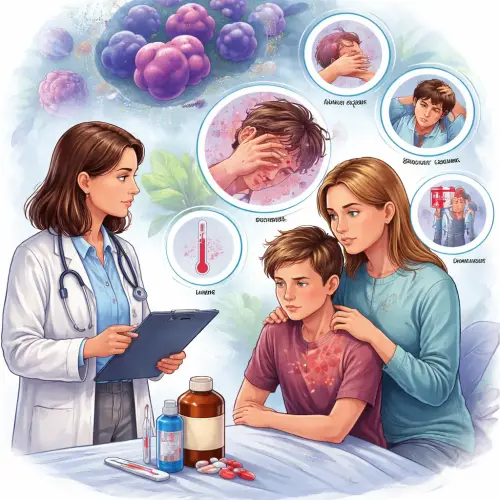
What Australians Should Know About Meningococcal disease
Meningococcal disease is a severe infection caused by the bacteria Neisseria meningitidis. It can lead to meningitis (infection of the lining of the brain and spinal cord) and septicaemia (blood poisoning). In meningococcal disease Australia, cases are relatively rare, but the condition can kill or cause permanent disability within hours if not treated quickly.
The challenge is that early illness can look like a common viral infection. That is why health professionals stress that meningococcal disease symptoms Australians should never ignore include a combination of feeling extremely unwell, rapid deterioration, and specific warning signs such as a non-blanching rash, neck stiffness, or confusion. For a related guide, see What Is RSV? Why Vaccinations Matter for Older Australians.
This guide focuses on Australian risk groups, the signs of meningococcal disease in adults and children, what to do if you are concerned, and how meningococcal vaccine Australia programs can help protect your household.
Causes of Meningococcal disease and How It Spreads
Meningococcal disease is caused by Neisseria meningitidis, also called meningococcal bacteria. There are several strains, known as serogroups, including A, B, C, W and Y. In recent years, B, W and Y strains have been of particular concern in Australia.
How meningococcal bacteria spread
The bacteria live in the nose and throat and spread through close, prolonged contact such as:
- Coughing or sneezing near someone over time
- Kissing or intimate contact
- Sharing drink bottles, cutlery, or cigarettes/vapes
- Living in the same household, boarding school, university residential college, or military barracks
Many people can carry the bacteria without ever becoming sick. Occasionally, the bacteria invade the bloodstream and nervous system, causing Meningococcal disease. We cannot yet predict who will become critically unwell, which is why awareness and vaccination are so important.
Who Is Most at Risk of Meningococcal disease in Australia?
Anyone can develop Meningococcal disease, but some groups in the Australian community have higher risk.
High-risk age groups
- Infants and young children (under 5 years) – their immune systems are still developing, and symptoms can be subtle at first.
- Teenagers and young adults (15–24 years) – close contact, socialising, kissing, sharing drinks and living in group accommodation increase risk.
People in close living environments
- Boarding school or university residential college students
- Defence force personnel and other group-living workers
- Households with many people in a small space
Aboriginal and Torres Strait Islander peoples
Aboriginal and Torres Strait Islander communities have higher rates of Meningococcal disease Australia compared with non-Indigenous Australians, partly due to overcrowded housing and access barriers to healthcare. Extra attention to early symptoms and vaccination is particularly important in these communities.
Other medical risk factors
- People with weakened immune systems
- Those without a functioning spleen or with certain blood disorders
- People on specific immune-suppressing medications
- Travellers to regions where meningococcal infections are more common
Key Meningococcal disease Symptoms Australians Should Never Ignore
The meningococcal disease symptoms Australians should never ignore can develop suddenly. Early on, they can mimic the flu or a bad cold, but the illness often worsens very quickly. Knowing the difference between early signs and emergency warning signs can help you act in time. For a related guide, see Meningococcal B Warning for Australians After Fatal Case in Europe.
Early meningococcal rash and early symptoms
Early symptoms can appear in any order and may be different in adults and children. Keep a close eye if you notice:
- Sudden high fever – often feeling “the sickest you’ve ever felt”
- Severe headache that does not improve with usual pain relief
- Extreme tiredness or drowsiness – hard to wake, or falling asleep mid-conversation
- Aches and pains in muscles or joints, sometimes severe
- Nausea, vomiting or diarrhoea
- Cold hands and feet, even with a high temperature
- Sensitivity to light (photophobia), especially in older children and adults
- In babies: poor feeding, high-pitched crying, floppy or unusually irritable, bulging fontanelle (soft spot on the head)
One of the most worrying meningococcal rash and early symptoms is the appearance of a rash. At first, it may look like small red or purple spots, or just tiny pinprick marks. It may be faint or only in a few areas.
A key check is the glass test: press a clear glass firmly against the rash. If the spots do not fade or blanch under pressure, treat this as an emergency and seek urgent help. However, do not wait for a rash to appear. Some people never develop a noticeable rash.
Emergency warning signs – when it may already be life-threatening
The following are critical signs of meningococcal disease in adults and children that require an ambulance or immediate emergency department care:
- Rash that does not fade when pressed with a glass, especially with a fever
- Severe headache combined with stiff neck or pain when trying to bend the neck forward
- Confusion, delirium, strange behaviour or difficulty speaking
- Fast breathing or difficulty breathing
- Very cold, mottled or bluish hands and feet
- Severe muscle pain, especially in the legs, or pain that makes it hard to stand or walk
- Seizures or convulsions
- In infants: floppy or stiff body, vacant stare, weak or high-pitched cry, refusal to feed, or arching of the back
If you see a combination of these symptoms, especially if they develop quickly over a few hours, call Triple Zero (000) or go straight to the emergency department. Do not wait for all symptoms to appear.
When to Seek Immediate Medical Help and What to Do While Waiting
Meningococcal disease can worsen hour by hour. Trust your instincts. If someone seems “not right” and is deteriorating rapidly, treat it as urgent.
When to call an ambulance (000) in Australia
Call 000 immediately if:
- You suspect Meningococcal disease and the person is very unwell or getting worse quickly
- There is a non-blanching rash, especially with a fever
- The person has difficulty breathing, is confused, very drowsy, or hard to wake
- There are seizures or collapse
If symptoms are milder but you are still worried, see a GP or after-hours clinic urgently, or call healthdirect on 1800 022 222 for advice. However, if there is any doubt, it is safer to go straight to hospital.
What to do while waiting for help
- Stay with the person and monitor their breathing and responsiveness.
- Lay them on their side if they are vomiting or drowsy to protect their airway.
- Do not give anything to eat or drink if they are confused, drowsy, or may need emergency treatment.
- Note down when symptoms started and how they have changed – this helps doctors act quickly.
- If possible, have a list of medications and allergies ready.
Early hospital treatment usually involves urgent antibiotics and close monitoring. The earlier treatment begins, the better the outcome is likely to be.
Prevention and Protection: Vaccines and Hygiene for Meningococcal disease in Australia
While you cannot completely remove the risk, you can significantly reduce it. Prevention focuses on vaccination and everyday hygiene habits.
Meningococcal vaccine Australia: what is available?
Several vaccines help protect against different strains of Meningococcal disease in Australia. Always check the most recent National Immunisation Program (NIP) schedule or talk to your GP for up-to-date advice.
| Vaccine type | Strains covered | Typical Australian funding/usage |
|---|---|---|
| MenACWY | A, C, W, Y | Funded under NIP for infants and adolescents; some state/territory programs for at-risk groups. |
| MenB | B | Funded for certain high-risk groups and in some states for infants, adolescents or Aboriginal and Torres Strait Islander children; otherwise often available privately. |
Because recommendations can change and vary by state or territory, ask your GP, Aboriginal health service, or local immunisation clinic which meningococcal vaccine Australia options apply to you and your family.
Who should consider vaccination?
- All children according to the NIP schedule
- Teenagers and young adults, especially those in boarding schools, residential colleges or the military
- Aboriginal and Torres Strait Islander children and adolescents, following local guidelines
- People with certain medical conditions that increase risk
- Travellers to high-risk countries, as advised by a travel clinic
Vaccination does not cover every possible strain or guarantee protection, but it greatly lowers the chance of severe Meningococcal disease and can reduce community spread.
Everyday hygiene practices to reduce spread
- Wash hands regularly with soap and water or use alcohol-based hand rub when out and about.
- Avoid sharing drink bottles, cutlery, toothbrushes, lip balms, cigarettes or vapes.
- Cover coughs and sneezes with a tissue or your elbow, and wash hands afterward.
- Stay home and seek medical advice if you are acutely unwell with fever and flu-like symptoms.
Public health units may offer antibiotics and additional vaccination to close contacts of a confirmed case to help prevent further infections.
Possible Complications and Outcomes of Untreated Meningococcal disease
Without rapid treatment, Meningococcal disease can lead to serious, sometimes permanent complications. Even with excellent medical care, some people will still experience long-term effects.
Short-term complications
- Septic shock, where blood pressure drops dangerously low
- Organ failure (kidneys, liver, heart)
- Brain swelling and damage
- Respiratory failure requiring ventilation
Long-term consequences
- Hearing loss or deafness
- Neurological problems, including learning difficulties or seizures
- Loss of limbs or fingers/toes due to tissue damage and poor blood supply
- Scarring and skin grafts after severe rash and tissue damage
- Psychological impacts such as anxiety, depression, or post-traumatic stress
These risks highlight why early recognition of the signs of meningococcal disease in adults and children, swift hospital care, and vaccination are so important for Australian families.
Useful Resources
For current clinical and vaccination guidance, see:
- Australian Government Department of Health – meningococcal disease information
- Australian Immunisation Handbook – meningococcal vaccines and schedules
Ultimately, staying informed about Meningococcal disease, recognising warning signs early, and taking advantage of vaccination programs across Australia give you the best chance to protect yourself, your family and your community.
Frequently Asked Questions About Meningococcal disease
What exactly is meningococcal disease ?
Meningococcal disease is a serious bacterial infection caused by Neisseria meningitidis, which can lead to meningitis (inflammation of the lining of the brain and spinal cord) and septicaemia (blood poisoning). It progresses quickly and can be fatal or cause permanent disability if not treated early, which is why recognising symptoms and seeking urgent medical care is critical.
How common is meningococcal disease in Australia?
In Australia, meningococcal disease is relatively rare compared with other infections, thanks in part to vaccination programs, but cases still occur every year across most states and territories. Because each case can be life-threatening, public health authorities take every suspected infection very seriously, and even a small number of cases is important from a prevention and awareness perspective.
What are the first signs of meningococcal disease I should watch for?
Early signs often resemble a bad flu: sudden high fever, severe headache, extreme tiredness, muscle and joint aches, and sometimes nausea or vomiting. In children, you might also notice irritability, not feeding, or being unusually sleepy. Any rapid deterioration, especially combined with a rash or stiff neck, should be treated as an emergency.
What does a meningococcal rash look like?
The classic meningococcal rash starts as small red or purple spots, sometimes like pinpricks, that can spread and join together. A key feature is that the spots do not fade when you press a clear glass firmly against them (they are non-blanching). However, not everyone gets a rash, so you should never wait for a rash to appear before seeking urgent help if you are worried.
How quickly can meningococcal disease become life-threatening?
Meningococcal disease can become life-threatening in a matter of hours, with some people going from feeling unwell to critically ill in less than a day. This rapid progression is why health professionals emphasise seeking immediate medical care if you suspect meningococcal infection, rather than waiting to see if symptoms improve.
Who is most at risk of meningococcal disease in Australia?
Infants, young children, teenagers and young adults are at higher risk, particularly those living in close quarters such as boarding schools, university colleges or military barracks. Aboriginal and Torres Strait Islander peoples, people with certain immune problems, and travellers to high-risk regions also have increased risk, so vaccination and awareness are especially important for these groups.
Can adults get meningococcal disease , or is it mainly a childhood illness?
Adults can definitely develop meningococcal disease, and cases do occur in all age groups. While young children and teenagers are at highest risk overall, older adults and middle-aged people can also be affected, particularly if they have underlying health conditions or close contact with someone who carries the bacteria.
Is meningococcal disease contagious and how is it spread?
Yes, meningococcal disease is contagious and spreads through droplets from the nose and throat during close, prolonged contact. This can happen through coughing or sneezing near someone repeatedly, kissing, or sharing drink bottles, cutlery or cigarettes. Casual contact, such as briefly passing someone in a shop, is much less likely to spread the infection.
What should I do if I suspect someone has meningococcal disease ?
If you suspect meningococcal disease, particularly if there is a non-blanching rash, confusion, difficulty breathing or rapid deterioration, call Triple Zero (000) immediately or go straight to the nearest emergency department. Do not wait for more symptoms to appear, and be very clear when describing your concerns to paramedics or hospital staff so they can act quickly.
How is meningococcal disease diagnosed in hospital?
Doctors diagnose meningococcal disease by combining the clinical picture with tests such as blood cultures, lumbar puncture (spinal tap) to test spinal fluid, and sometimes PCR tests to detect bacterial DNA. Because time is critical, treatment with antibiotics is often started immediately based on suspicion, even before all test results are available.
What treatment is used for meningococcal disease ?
The main treatment is urgent intravenous antibiotics given in hospital, often combined with fluids, oxygen and medications to support blood pressure and organ function. Many patients need care in an intensive care unit, particularly if they develop septic shock or meningitis. Early treatment significantly improves the chances of recovery.
Are there lasting effects after surviving meningococcal disease ?
Some people make a full recovery, but others may experience long-term effects such as hearing loss, learning difficulties, seizures, limb loss, or scarring from tissue damage. Recovery can also involve psychological impacts like anxiety or post-traumatic stress, so follow-up care with specialists, allied health professionals and mental health support is often important.
What meningococcal vaccines are available in Australia?
In Australia, the main vaccines protect against A, C, W and Y strains (MenACWY) and against B strain (MenB). MenACWY is included on the National Immunisation Program for infants and adolescents, and MenB is funded for some high-risk groups and in certain state programs. Your GP or immunisation clinic can advise which vaccines you and your family should receive based on age, health and local guidelines.
Does the meningococcal vaccine completely prevent the disease?
No vaccine offers 100% protection, and meningococcal vaccines target specific strains rather than all possible types. However, vaccination greatly reduces the risk of severe disease from the covered strains and can lower the chances of outbreaks. Even if you are vaccinated, you should still treat any concerning symptoms as urgent. For a related guide, see Onder Albayram Fish Oil Research: 7 Powerful Breakthroughs.
Are meningococcal vaccines free under the National Immunisation Program?
MenACWY vaccines are funded for certain age groups, typically infants and adolescents, under the National Immunisation Program, and some states and territories extend this to other groups. MenB vaccine is publicly funded for particular at-risk groups and in some regional or state initiatives, while others may need to pay privately. For the latest funding details, check with your GP or local health service.
Can my child receive both MenACWY and MenB vaccines?
Yes, many children and adolescents in Australia receive both MenACWY and MenB vaccines, often on different schedules. This combination provides broader protection against the major strains causing meningococcal disease. Your doctor can recommend an appropriate timetable and explain any potential side effects, which are usually mild and short-lived.
What simple steps can I take at home to reduce meningococcal risk?
Alongside vaccination, you can reduce risk by encouraging regular handwashing, avoiding sharing drink bottles, cutlery or toothbrushes, and covering coughs and sneezes. Keeping sick children home from school or childcare and seeking medical advice promptly for sudden high fevers or unusual illness also help limit the spread of infections, including meningococcal disease.
Will close contacts of a meningococcal case need treatment?
Yes, public health authorities usually identify close contacts of a confirmed case, such as household members or intimate partners, and may recommend a short course of antibiotics and, in some situations, additional vaccination. This preventive approach helps reduce the chance of further cases in families, schools, or other close-contact settings.
Should I still worry about meningococcal disease if my family is vaccinated?
Vaccination significantly lowers the risk of severe meningococcal disease, but it does not eliminate it entirely, and not all strains are covered. You should still be alert to sudden serious illness, especially rapid deterioration, severe headache, neck stiffness, confusion or a non-blanching rash, and seek urgent medical care if these appear, even in vaccinated family members.
What is the key message Australians should remember about meningococcal disease ?
The key message is that meningococcal disease is rare but extremely serious, and early action saves lives. Make sure you and your family are up to date with meningococcal vaccinations, know the important symptoms to watch for, trust your instincts if someone seems very unwell, and seek urgent medical help immediately rather than waiting to see if things improve.