

Military Aircraft Key Takeaways
Across Australia, Military Aircraft movements are more visible as global tensions rise and regional power competition intensifies.
- Recent Military Aircraft trends include more training flights, new aircraft types, and expanded joint exercises with allies.
- Increased activity supports Australia’s long‑term defence strategy but can also affect local communities through noise, airspace use, and jobs in defence industries.
- Staying informed through credible government and expert sources is the best way to understand risks, benefits, and what to expect in the coming decade.
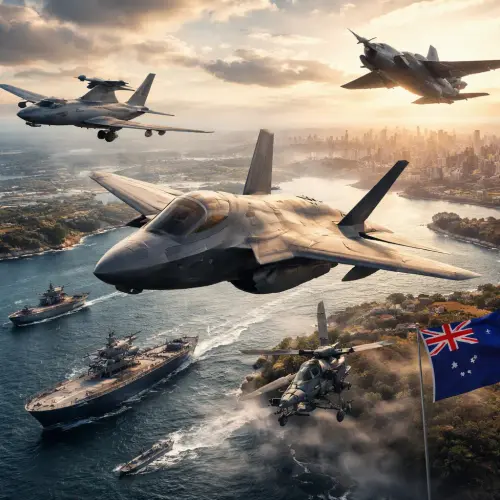
What Australians Should Know About Modern Military Aircraft Activity
More people are noticing jets and other Military Aircraft over suburbs, regional centres, and coastal areas. This visible uptick in military aircraft activity over Australia is closely tied to global instability, evolving technology, and the Government’s push to modernise the Australian Defence Force.
Rather than viewing this purely as a cause for alarm, it helps to see how these flights fit into broader Australia defence aviation trends. From fleet upgrades to deeper cooperation with partners like the United States and Japan, aircraft movements are a practical sign of how Australia is positioning itself in a more contested Indo‑Pacific region.
7 Key Military Aircraft Trends in Australia’s Skies
Below are seven clear, plain‑language trends shaping military aircraft trends in Australia and what they mean for people on the ground.
1. New Australian air force aircraft entering service
The Royal Australian Air Force (RAAF) is in the middle of one of its biggest modernisation programs in decades. Older jets and support planes are being replaced by advanced Australian air force aircraft with greater range, stealth, and data‑sharing capabilities.
Examples include the F‑35A Lightning II replacing the classic Hornet fighter jet, the P‑8A Poseidon taking over maritime patrol duties from the AP‑3C Orion, and the C‑27J Spartan supplementing larger C‑130J Hercules transports. These platforms are designed to work together as a network, sharing radar and sensor data to build a more accurate picture of the air and sea around Australia.
2. Growth in joint exercises with allies
You may notice periods of intense military aircraft activity over Australia when major exercises are underway. Large multinational activities like Exercise Pitch Black in the Northern Territory bring together aircraft from the United States, Singapore, Japan, India, and several European partners. For a related guide, see Turkish Airlines: 7 Shocking Flight Cancellations Guide.
During these windows, skies near Darwin, Townsville, Tindal, and Amberley can be especially busy. The aim is to practise complex missions, air‑to‑air refuelling, and integrated operations, so that in a real crisis, Australia and its partners can work seamlessly together.
3. Increased focus on the Indo‑Pacific and northern approaches
More Military Aircraft flights are being directed towards Australia’s north and north‑west as attention shifts to the Indo‑Pacific maritime corridors. Patrol aircraft, such as the P‑8A Poseidon and MQ‑4C Triton (when fully introduced), focus on monitoring sea lanes, offshore resources, and foreign military movements. For a related guide, see Air India Faces Attention After Latest Aviation Developments.
This is a core part of Australia defence aviation trends, reinforcing our ability to detect and respond to activities near critical infrastructure, undersea cables, and shipping routes that are vital to the Australian economy.
4. Expansion of training, including low‑level and night flying
Some of the most noticeable changes for local communities involve training patterns. To maintain skills, pilots must conduct low‑level flying, night‑time operations, and instrument approaches in different weather and terrain.
These patterns can be disruptive, especially around bases like Williamtown (NSW), Amberley (QLD), and Edinburgh (SA). Defence has noise management plans and often publishes information about training schedules, but the reality is that realistic training is essential if Military Aircraft crews are to perform safely and effectively in emergencies.
5. More unmanned and remotely piloted systems
Australia is gradually introducing remotely piloted and autonomous systems into its fleet, mirroring global practice. While not all of these systems are publicly detailed, programs such as the Ghost Bat (developed with Boeing in Queensland) reflect a move towards teaming piloted and uncrewed aircraft.
This trend reduces risk to human pilots, extends surveillance coverage, and supports the most advanced Australian air force aircraft with additional sensors and electronic warfare options.
6. Upgrades in communications, cyber, and electronic warfare
Not all change is visible to the naked eye. Behind the scenes, many Military Aircraft are being fitted with upgraded radars, secure communications, and electronic warfare packages. Aircraft like the EA‑18G Growler, for example, specialise in disrupting enemy radar and communications.
This electronic edge is a critical component of Australia defence aviation trends, allowing smaller numbers of aircraft to have a bigger impact by denying an opponent the ability to see, coordinate, or respond effectively.
7. Greater integration with naval and army capabilities
The border between air, sea, and land operations is blurring. Helicopters operating from the Royal Australian Navy’s ships and surveillance aircraft working directly with Army units are now commonplace. Joint operations ensure the ADF can respond quickly to humanitarian disasters, regional crises, or more serious conflicts.
This integration sometimes leads to more concentrated military aircraft activity over Australia near major ports and exercise areas, such as Shoalwater Bay (QLD) or the Beecroft and Jervis Bay ranges (NSW).
Why These Military Aircraft Trends Matter for Australians
Understanding what is happening in the air above us is not just for defence experts. These trends touch security, the economy, and daily life in tangible ways.
National security and regional stability
Australia’s geography makes air power central to national defence. Modern Military Aircraft help deter coercion, support freedom of navigation, and reassure partners that Australia will contribute to a stable, rules‑based region.
According to Australia’s Defence Strategic Review and updates to the defence budget, investment in air and missile capability is a deliberate response to growing military build‑ups in the Indo‑Pacific, especially from major powers. Maintaining credible air capability is viewed as an insurance policy against strategic shocks.
Impacts on local communities: noise, airspace, and safety
For those living near bases or under flight paths, the most immediate effect of military aircraft trends in Australia is noise and the perception of risk. Fast jets are loud, and night training can be disruptive.
Defence uses controlled airspace, strict safety procedures, and noise abatement measures to reduce the impact, but there is always a balance between community comfort and realistic training. Residents can usually access information about flying activities via base websites, local notices, or community engagement offices.
Economic and industry benefits
On the positive side, modernising Military Aircraft fleets has brought significant work to Australian defence industries. Facilities in locations such as Brisbane, Newcastle, Adelaide, and regional Queensland support maintenance, engineering, and technology development.
Programs involving aircraft like the F‑35A and Ghost Bat create skilled jobs in avionics, advanced manufacturing, software, and systems integration. This ripple effect boosts local economies, especially around RAAF bases and industrial hubs.
How Alliances and Strategy Shape Australia Defence Aviation Trends
Australia does not operate in isolation. Our Australia defence aviation trends are strongly linked to alliances, particularly with the United States, the United Kingdom, Japan, and regional partners in ASEAN and the Pacific.
Role of ANZUS, AUKUS, and regional partnerships
The ANZUS alliance with the United States underpins shared training, intelligence, and access to high‑end aircraft technology. The AUKUS arrangement, while better known for submarines, also deepens cooperation in advanced capabilities such as cyber, AI, and electronic warfare that can be integrated into Military Aircraft systems.
Regular exercises with Japan, India, and Southeast Asian countries signal Australia’s commitment to a secure Indo‑Pacific. This is why Australians increasingly see foreign aircraft visiting RAAF bases and participating in complex drills.
Defence strategy without alarmism
While news headlines often focus on tension and conflict, Australian defence planning aims to avoid war by being prepared for it. Well‑trained crews, modern Australian air force aircraft, and credible partnerships are designed to deter aggression and provide options short of conflict.
For households, this means that visible military aircraft activity over Australia is usually a sign of routine training and long‑term planning rather than an immediate threat. Staying informed through official updates helps keep this perspective grounded in facts rather than speculation.
Practical Checklist: Understanding Activity of Military Aircraft Over Australia
If you are curious or concerned about aircraft over your area, this simple checklist can help you interpret what you are seeing or hearing.
| Question | What to Consider | Typical Outcome |
|---|---|---|
| Is the activity near a known RAAF base or training area? | Check your distance from bases like Williamtown, Amberley, Pearce, Darwin, Tindal, or Edinburgh. | Most frequent flights near bases are routine training. |
| Is it a one‑off event or part of a pattern? | Note dates/times; short bursts can indicate exercises or specific training blocks. | Temporary increase is common during major exercises. |
| Have local authorities or Defence issued notices? | Look for community updates, NOTAMs, or media releases. | Planned activities usually come with some public information. |
| Are there associated community briefings or open days? | Bases often run engagement sessions to explain changes. | Chance to ask questions and learn about Military Aircraft roles. |
| Does the activity breach safety rules? | Observe altitude and behaviour; unsafe patterns are rare and reportable. | Australia has strict aviation safety regulation via CASA and Defence. |
What Australians Can Expect Next for Military Aircraft Trends
In the next decade, Australians can expect steady, rather than explosive, growth in visible air activity as new systems bed in and older fleets retire. Some noise and disruption will continue around major bases, particularly as technologies like uncrewed aircraft and advanced trainers are integrated.
At the same time, more of the real change will occur in the digital layer: data links, cyber resilience, AI‑driven decision support, and joint command systems. These developments will make Military Aircraft more capable without always being more noticeable.
For most people, the key will be staying informed, engaging constructively with Defence when issues arise, and recognising that what happens in the sky is closely linked to Australia’s security, sovereignty, and economic resilience.
Useful Resources
For detailed, up‑to‑date information about Australian defence aviation, aircraft types, and exercises, these sources provide reliable context:
- Royal Australian Air Force official website – information on aircraft, bases, operations, and community engagement.
- Australian Defence Strategic Review documents – government perspective on strategy and capability priorities.
Frequently Asked Questions About Military Aircraft
Why am I seeing more military aircraft over my suburb?
An increase in visible aircraft can be due to routine training, temporary exercises, or new flight paths linked to base upgrades, and in most cases reflects scheduled activity rather than an emergency or heightened threat level.
Are higher levels of military flying a sign that Australia is going to war?
In almost all cases, increased flying is part of long‑term training and modernisation plans intended to deter conflict, so more activity usually indicates preparation and routine readiness rather than an imminent move to war.
Which Australian air force aircraft are most commonly seen by the public?
Australians most often see F‑35A fighter jets, C‑130J and C‑17 transport aircraft, P‑8A Poseidon patrol planes, and various helicopters operating from RAAF bases or in support of humanitarian and emergency tasks.
How does Defence manage noise from military aircraft ?
Defence uses noise abatement procedures, preferred flight paths, altitude restrictions, and defined training windows to limit impacts on communities, and it consults with local councils and residents when significant changes are planned.
Can I find out when military aircraft exercises are happening near me?
Yes, major exercises are often announced through Defence media releases, base information pages, local news, and sometimes community newsletters, which explain the nature, timing, and expected impact of the activity.
Are military aircraft flights safe for people on the ground?
Flights must comply with strict safety regulations set by Defence and the Civil Aviation Safety Authority, and serious incidents are rare because pilots are extensively trained and aircraft are regularly maintained and inspected.
Why do some jets fly at night or in bad weather?
Pilots must be proficient in operating in all conditions they might face in real missions, so night and poor‑weather flying are essential parts of training to maintain safety and effectiveness.
How do military aircraft trends in Australia relate to global tensions?
As major powers expand their capabilities in the Indo‑Pacific, Australia is upgrading and exercising its aircraft to contribute to deterrence and regional stability, which explains why activity has become more visible over time.
What role do Australian military aircraft play in disaster relief?
Transport planes and helicopters are frequently used to move people, supplies, and equipment during bushfires, floods, cyclones, and regional humanitarian crises, making them a critical part of Australia’s emergency response toolkit.
Do foreign military aircraft often operate from Australian bases?
Yes, allied aircraft from countries such as the United States, Japan, and Singapore regularly visit for joint exercises and training, reflecting Australia’s focus on interoperability and shared security responsibilities.
How are new technologies like drones changing military aviation in Australia?
Remotely piloted and autonomous systems are being introduced to extend surveillance, reduce risk to crews, and support crewed platforms, gradually becoming an important complement to traditional aircraft.
What benefits do local communities gain from nearby air bases?
Nearby communities often benefit from stable employment, contracting opportunities, infrastructure investment, and community programs linked to the base and the industries that support aircraft maintenance and development.
Can members of the public tour RAAF bases or see aircraft up close?
From time to time, bases hold open days, air shows, or guided tours that allow the public to see aircraft, meet personnel, and learn more about defence roles, though access is controlled for security reasons.
How does Australia decide which new military aircraft to buy?
Acquisition decisions follow detailed capability studies, cost‑benefit analysis, strategic guidance, and consultation with allies and industry to ensure aircraft suit Australia’s geography, missions, and long‑term sustainment needs.
Are military aircraft more environmentally damaging than civilian planes?
Military aircraft typically burn more fuel per flight due to their performance requirements, but they represent a small share of overall aviation emissions, and Defence increasingly considers fuel efficiency and environmental impacts in planning.
What should I do if I am worried about low‑flying military aircraft ?
If you have safety or noise concerns, you can contact the relevant RAAF base, use Defence community inquiry channels, or raise the issue with your local member of Parliament, who can follow up with Defence.
How are military aircraft regulated in Australian airspace?
Military flights operate within controlled airspace managed by Airservices Australia and must adhere to specific rules and coordination procedures to safely integrate with civilian traffic, except in clearly defined restricted areas.
Do Australian military aircraft carry weapons during training flights?
Training flights may involve inert or simulated weapons for realism, but live weapons are tightly controlled, only carried when necessary, and employed at designated ranges under strict safety protocols.
Where can I verify rumours about unusual military aircraft activity?
The best approach is to check official Defence communications, reputable news outlets, or contact Defence public affairs, rather than relying on social media speculation or unverified online sources.
How long will current high levels of military aircraft activity continue?
While activity will fluctuate with exercises and operations, Australia’s focus on readiness and modernisation means a relatively steady tempo of flying is expected for the foreseeable future, though specific patterns may change over time.