

Vitrinite Vulcan Mine Key Takeaways
The Vitrinite Vulcan Mine in Queensland is a new metallurgical coal project drawing strong opinions across Australia, from jobs and royalties to climate and water concerns.
- The latest approvals and development milestones at the Vitrinite Vulcan Mine highlight both economic upside and regulatory scrutiny.
- Environmental conditions, water management and emissions are central to the ongoing debate around the Vulcan coal project in Australia.
- For Australian workers and nearby communities, the project raises hard questions about short‑term jobs versus long‑term energy transition and regional resilience.
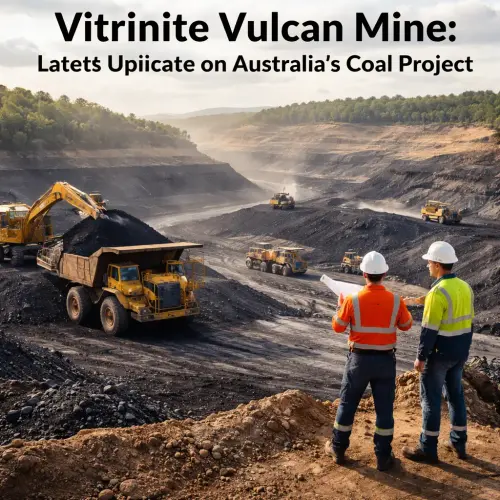
What Australians Should Know About the Vitrinite Vulcan Mine Right Now
The Vitrinite Vulcan Mine is a planned metallurgical coal operation in the Bowen Basin of central Queensland, promoted by Vitrinite Pty Ltd as a supplier to steelmaking markets. It sits within a region that already hosts some of the country’s most productive coal assets, making it a test case for how new coal fits into Australia’s decarbonising economy. For a related guide, see OPEC Cuts or Boosts Output? What It Means for Fuel Prices.
Unlike long‑running mines nearby, Vulcan is still moving through staged approvals and early development work. That means its ultimate footprint, timing and economic impact remain fluid, and new regulatory or market shifts could materially change the project’s path. For a related guide, see Australian Energy Market Commission Proposal Explained: What It Means for Power Prices.
Chronological Timeline: Vitrinite Vulcan Mine Latest Updates and Milestones
While dates and conditions can change, Australians following Vitrinite Vulcan Mine latest updates can broadly trace the project through several key phases.
Early exploration and project definition
Vitrinite has held exploration interests in the Bowen Basin for years, gradually defining coal resources and testing commercial viability. During this exploration period, the company focused on drilling programs, coal quality testing for metallurgical (coking) coal, and preliminary engagement with Queensland regulators.
This stage laid the groundwork for the wider Vulcan coal project Australia narrative: a relatively smaller, staged operation aimed at supplying steelmaking demand rather than domestic power generation, but still contributing to Australia’s overall coal output and emissions profile.
Regulatory assessments and mining lease approvals
Like other Vitrinite coal mine Queensland proposals, Vulcan has required a suite of environmental and mining approvals under Queensland law and, where relevant, Commonwealth processes. These typically include environmental authority (EA) applications, mining lease (ML) applications and associated plans for land access, rehabilitation and water management.
Conditions attached to these approvals cover issues such as dust, noise, groundwater impacts, progressive rehabilitation and engagement with Traditional Owners. Each condition adds obligations that influence the timing and cost of the project, as well as its social licence to operate.
Early works, site access and infrastructure planning
Once key approvals are in place, mine proponents generally move into early works: access roads, camp facilities, initial earthworks and detailed design for pits and supporting infrastructure. For Vulcan, this stage also intersects with planning for rail and port pathways, because export metallurgical coal is only viable if it can move efficiently to coastal terminals.
Updates at this stage can include announcements about contracts for civil works, commitments to local procurement, and early employment numbers for construction roles. These details are closely watched by regional councils and local businesses hoping to benefit from project spending.
Ongoing environmental and compliance updates
Even after a project receives core approvals, Vitrinite Vulcan Mine news for Australians continues as regulators, community groups and the company itself release monitoring data, compliance reports and changes to management plans. These may cover groundwater trends, dust monitoring results, fauna and flora surveys, and progress toward rehabilitation targets. For a related guide, see Honda Motor Company Faces Rising Demand for Hybrid Vehicles in 2026.
Non‑compliance findings, if any emerge, can trigger enforcement actions, revised conditions or reputational damage. Conversely, strong compliance and transparency can strengthen trust in the project’s management.
Seven Essential, Risky Facts About the Vitrinite Vulcan Mine
To move beyond headlines, Australians can break the Vitrinite Vulcan Mine story into seven core facts that reveal both opportunity and risk.
1. Vulcan is focused on metallurgical coal, not thermal coal
Vulcan targets metallurgical (coking) coal used in steelmaking, which many governments and analysts treat differently from thermal coal used in power generation. Supporters argue that steel demand will persist even as grid electricity decarbonises.
However, climate advocates point out that steelmaking is also under pressure to cut emissions, with alternative technologies like green hydrogen and electric arc furnaces gaining attention. That adds long‑term market risk for any new coking coal mine approved today.
2. The mine is located in an already stressed coal region
The Bowen Basin is a powerhouse of Australia’s coal exports but also a region grappling with cumulative impacts: land disturbance, water extraction, dust and shifting employment cycles. Adding another mine changes the cumulative footprint, not just the footprint of a single project.
Local landholders and Traditional Owners are especially focused on how Vulcan will affect groundwater flows, neighbouring properties, cultural heritage and rehabilitation standards, given the legacy of older pits still undergoing closure work nearby.
3. Jobs and royalties are real, but unevenly distributed
Vitrinite has promoted construction and operations jobs linked to Vulcan, along with indirect jobs in transport, maintenance, catering and local services. Royalties to the Queensland Government can also be significant, supporting public services and infrastructure across the state.
Yet communities often experience these benefits unevenly. FIFO (fly‑in, fly‑out) workforces can limit local employment gains, and housing markets in nearby towns can face pressure from sudden demand spikes. That’s why many residents are pushing for concrete local hiring targets, training pathways and housing strategies.
4. Water and environmental monitoring will be under the microscope
Across Queensland, water allocation for mining is a flashpoint. For the Vulcan coal project Australia, groundwater drawdown, surface water quality and potential impacts on neighbouring bores are all key concerns. Environmental authorities usually impose detailed monitoring and reporting conditions to manage these risks.
Australians following the project will want to keep an eye on monitoring results, any reported incidents, and how quickly remedial actions are taken if issues arise. Transparent publication of environmental data can be a practical test of the company’s commitment to responsible operations.
5. The project sits in the middle of Australia’s energy transition debate
Coal exports are still a major source of income for Australia, but net‑zero commitments and global climate targets are reshaping investment decisions. New projects like the Vitrinite coal mine Queensland encounter intense scrutiny from investors worried about stranded assets and from communities already hit by climate‑driven disasters.
This means the mine’s business case is influenced not just by resource quality and operating costs, but also by carbon pricing, trade policies and how quickly steelmakers pivot to low‑carbon technologies.
6. Community consent and social licence can shift over time
Initial consultation processes may identify support, opposition or mixed views across farmers, Traditional Owners, regional businesses and residents. But social licence is never final; it evolves with lived experience. Dust events, noise levels, traffic patterns and employment outcomes all contribute to whether locals still back the mine after operations begin.
Australians increasingly expect structured community benefits agreements, transparent grievance mechanisms and independent oversight panels, rather than one‑off donations or ad‑hoc sponsorships.
7. Regulatory change could alter the mine’s future
Queensland and Commonwealth laws on emissions, biodiversity and water are not static. New climate targets, updated environmental standards or changes to approvals frameworks can alter the economics and obligations of existing projects.
For the Vitrinite Vulcan Mine, this means that what looks viable under today’s settings could be challenged if policy tightens, or conversely, could gain tailwinds if demand for Australian metallurgical coal remains strong while competitors face greater constraints.
What the Vitrinite Vulcan Mine Means for Australian Workers and Local Communities
Beyond the project’s corporate and regulatory story, Australians are most concerned with how Vulcan will shape livelihoods, landscapes and long‑term resilience in central Queensland and beyond.
Impacts on jobs, skills and regional economies
The mine’s construction phase typically supports the highest number of jobs, many of them short to medium term. Operations roles then stabilise at a lower level but over a longer period. For local workers, the key questions are: How many jobs will be genuinely local? What training is offered? And how portable are the skills after the mine winds down?
Regions that have weathered boom–bust cycles now often push for diversification strategies alongside new mine approvals, to ensure that when coal demand eases, local economies are not left vulnerable.
Landholders, Traditional Owners and social fabric
Previous projects in Queensland have shown that relationships with landholders and Traditional Owners are critical. Access agreements, compensation, cultural heritage protections and shared decision‑making are not just legal checkboxes; they determine whether coexistence is workable.
For the Vitrinite Vulcan Mine latest updates, Australians should watch for how the company reports on negotiations, cultural heritage management plans and any independent oversight arrangements that give affected groups a meaningful voice.
Health, amenity and cumulative impacts
Dust, noise, traffic and light pollution can all erode quality of life for nearby residents. While individual mines may meet regulatory thresholds, cumulative effects from overlapping projects are often what communities feel most strongly.
Clear baselines, ongoing health and air quality monitoring, and transparent complaint and response systems are practical safeguards that communities can look for as indicators of good faith management.
Energy Transition Context: How the Vitrinite Vulcan Mine Fits Australia’s Climate Path
Australia has committed under the Paris Agreement to reduce national emissions, and both federal and state governments are releasing sector‑specific transition plans. New projects like the Vulcan coal project Australia must navigate this shifting policy landscape while facing growing investor scrutiny.
Steel demand versus decarbonisation pressure
Global steel demand, particularly from Asia, underpins the business case for metallurgical coal. Yet major steel producers are trialling low‑carbon processes, and jurisdictions like the European Union are rolling out carbon border adjustment mechanisms that penalise high‑emissions imports.
Australians weighing up the project need to factor in that today’s strong demand for coking coal may not persist unchanged over a 20–30 year mine life.
National policy, exports and reputation
Australia’s reputation as a reliable energy exporter increasingly intersects with its climate credibility. Expanding metallurgical coal output via projects like the Vitrinite Vulcan Mine can strengthen export earnings but may complicate diplomatic and trade narratives as partners push harder on decarbonisation.
This tension is central to current policy debates, as reflected in analysis from bodies like the International Energy Agency on Australia’s energy policy and the Climate Council’s commentary on fossil fuel expansion.
Risks, Safeguards and a Practical Checklist for Australians Watching the Project
Because so much of the Vitrinite Vulcan Mine news for Australians focuses on controversy, it can help to have a practical checklist of what to track over the coming years.
| Area to Watch | Why It Matters | Key Questions for Australians |
|---|---|---|
| Approvals and compliance | Determines legal obligations and project limits | Are conditions being met? Are any breaches reported and addressed quickly? |
| Jobs and training | Shapes local economic benefits | How many roles go to local workers? What training or apprenticeships are offered? |
| Water and environment | Affects landholders, ecosystems and long‑term land use | Is groundwater drawdown within approved bounds? Are monitoring results public? |
| Community engagement | Influences social licence and conflict risk | Are Traditional Owners and residents part of decisions, not just consultation? |
| Market and climate policy | Determines long‑term viability and closure risks | How would stricter climate policies or tech shifts affect the mine’s lifespan? |
Using this checklist helps Australians move beyond slogans and evaluate whether Vulcan is being managed responsibly, and whether benefits genuinely outweigh costs at each stage of its life.
Useful Resources
For readers who want to dive deeper into context around coal, climate and policy in Australia, these independent resources are a helpful starting point:
- International Energy Agency – Australia 2023 energy policy review
- Climate Council – Coal in Australia: A burning question
For Australians, the future of the Vitrinite Vulcan Mine will be shaped not only by geology and global steel demand, but by public expectations for transparency, environmental care and a fair transition for coal regions as the energy landscape continues to evolve.
Frequently Asked Questions About Vitrinite Vulcan Mine
Where is the Vitrinite Vulcan Mine located in Queensland?
The Vitrinite Vulcan Mine is located in the Bowen Basin region of central Queensland, an area already home to several large coal operations, with access to existing rail and export infrastructure that connect the basin to coastal ports.
What type of coal will the Vitrinite Vulcan Mine produce?
The Vitrinite Vulcan Mine is planned as a metallurgical coal project, producing coking coal used in steelmaking rather than thermal coal for electricity generation, although any production still contributes to global emissions when ultimately used.
Is the Vitrinite Vulcan Mine already fully approved?
The project has progressed through key state approvals such as environmental authorities and mining lease processes, but it remains subject to ongoing regulatory oversight, compliance checks and potential changes in conditions over the life of the mine.
How many jobs could the Vitrinite Vulcan Mine create for Australians?
Like most coal projects, the Vitrinite Vulcan Mine is expected to create a spike in construction jobs followed by a smaller but longer‑term operations workforce, with additional indirect roles in services and logistics, though exact numbers depend on final mine plans and workforce strategies.
Will local workers be prioritised at the Vitrinite Vulcan Mine ?
The company has indicated a focus on regional hiring, but many Australians are watching closely for concrete local employment targets, training programs and apprenticeship pathways that ensure communities near the mine share in the economic benefits.
What are the main environmental concerns around the Vitrinite Vulcan Mine ?
Key concerns include groundwater drawdown, impacts on surface water quality, dust and noise affecting nearby residents, disturbance of ecosystems and how effectively disturbed areas will be rehabilitated and returned to useful post‑mining land uses.
How could the Vitrinite Vulcan Mine affect local water resources?
The mine may require dewatering and water use that can influence groundwater levels and surface flows, so regulators typically require detailed hydrological studies, monitoring networks and strict conditions to minimise impacts on neighbouring bores and waterways.
Does the Vitrinite Vulcan Mine contribute to climate change?
Yes, even though it focuses on metallurgical coal, the extraction, processing, transport and eventual use of that coal in steelmaking all generate greenhouse gas emissions that add to global climate change pressures.
How does the Vitrinite Vulcan Mine fit into Australia’s net-zero goals?
The project highlights the tension between Australia’s role as a major coal exporter and its commitment to reduce national emissions, with debates centring on how long metallurgical coal will remain acceptable in a decarbonising global steel industry.
What safeguards protect landholders near the Vitrinite Vulcan Mine ?
Safeguards typically include land access and compensation agreements, water impact management plans, complaint mechanisms and legally enforceable environmental conditions, although the effectiveness of these measures depends on monitoring and enforcement.
How are Traditional Owners involved in decisions about the Vitrinite Vulcan Mine ?
Traditional Owners are involved through cultural heritage processes, negotiations and, where applicable, Indigenous land use agreements, but many advocates argue for deeper, ongoing shared decision‑making beyond minimum legal requirements.
What happens if the coal market weakens after the mine is built?
If global coal or steel demand falls, the mine could operate at reduced capacity or close earlier than expected, which may impact jobs, royalties and rehabilitation funding, making robust financial assurance and closure planning essential from the start.
Could future climate policies shut the Vitrinite Vulcan Mine early?
Stronger domestic or international climate policies, such as higher carbon prices or stricter import rules on high‑emissions products, could shorten the mine’s economic life by making its coal less competitive or less acceptable in key export markets.
How will rehabilitation work at the Vitrinite Vulcan Mine be managed?
Progressive rehabilitation is usually required, meaning disturbed areas should be reshaped, covered and replanted as mining advances, with clear final land‑use goals and bonds or financial assurances held to fund closure even if the operator’s circumstances change.
Can the Vitrinite Vulcan Mine help fund regional diversification?
Royalties and company spending can contribute to broader regional development if governments and communities channel some of the revenue into infrastructure, education and new industries that will outlast the mine’s operating life.
What information should Australians look for in Vitrinite Vulcan Mine updates?
Australians should watch for clear data on environmental monitoring, job and training outcomes, changes to approvals or conditions, community engagement efforts and any independent audits or reviews of the mine’s performance.
Are there alternatives to using coal from the Vitrinite Vulcan Mine for steelmaking?
Yes, emerging alternatives include hydrogen‑based direct reduced iron and increased scrap steel recycling in electric arc furnaces, though many are still scaling up and may not fully replace metallurgical coal in the short term.
How long could the Vitrinite Vulcan Mine operate if all goes to plan?
The potential life of the Vitrinite Vulcan Mine depends on reserve size, market conditions and future regulatory settings, but like many coal operations it could be designed for a multi‑decade lifespan if demand and approvals remain supportive.
What can local communities do if they have concerns about the Vitrinite Vulcan Mine ?
Communities can engage through formal consultation processes, raise concerns with regulators, participate in community reference groups, use complaint procedures set up by the company and seek independent advice to better understand their rights and options.
Why is the Vitrinite Vulcan Mine attracting national attention?
The Vitrinite Vulcan Mine is drawing attention because it sits at the intersection of regional jobs, coal export revenue, environmental protection and Australia’s climate commitments, making it a symbolic test of how the country manages new fossil fuel projects in a net‑zero era.