

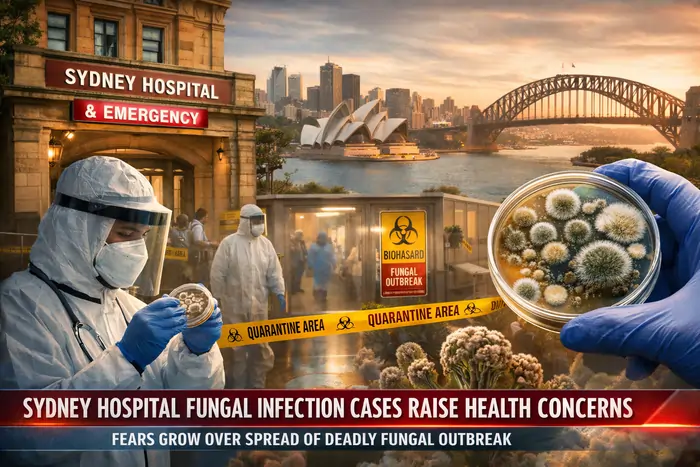
A serious fungal infection cluster at one of Sydney’s major hospitals has raised significant concerns for patients, families, and health authorities across New South Wales. The incident, centred on a transplant unit at Royal Prince Alfred Hospital (RPA), has resulted in multiple infections and several deaths, prompting a detailed investigation into hospital safety, construction works, and infection control.
Overview of the Sydney Fungal Infection Outbreak
Reports confirm that a cluster of fungal infections occurred in the transplant ward at Royal Prince Alfred Hospital in Camperdown between October and December last year. At least six patients in the unit developed infections linked to Aspergillus, a common mould, with health authorities confirming that two of those patients died and some others became critically ill, while media reports suggest the total number of impacted patients may be higher.
This cluster has quickly become known in news coverage and public discussion as the “Sydney fungal infection” incident, and it has triggered widespread concern about how such infections can develop inside modern hospitals. The situation has prompted Sydney Local Health District (SLHD) and NSW Health to conduct formal reviews, assess building works around the hospital, and communicate more clearly with patients about risks and safety measures.
For ongoing official updates on outbreaks and alerts in NSW, patients and clinicians can refer to the Infectious diseases alerts and updates section on the NSW Health website. For a broader view of how the health sector is evolving in response to new risks and technologies, this deep dive on healthcare industry trends in 2026 explores structural challenges and emerging innovations shaping hospitals and care systems.
What Is Happening at the Affected Sydney Hospital?
The fungal infection cluster was identified in the transplant unit at RPA after clinicians noticed an unusual increase in cases over a short period of time. According to Sydney Local Health District, six transplant patients developed infections between October and December, leading to the deaths of at least two patients associated with the outbreak. Investigations and media reports indicate there may have been more cases overall, with some sources suggesting up to seven patients affected and three deaths in total.
In response, the affected ward was temporarily closed, and high-risk patients were moved to alternative areas while testing and remediation were carried out. Health officials emphasised that the infections were confined to a specific transplant ward rather than being a hospital-wide issue, but the concentration of cases in such a vulnerable patient group was enough to trigger a serious internal and external review.
A clinical advisory panel led by NSW Chief Health Officer Kerry Chant later deemed the ward safe to reopen on 9 February, following extensive cleaning, air filtration upgrades, and environmental testing. Nonetheless, the episode has fuelled broader public concern about hospital hygiene, construction-related contamination, and transparency around serious incidents in the health system.
For detailed news coverage of the RPA situation, outlets such as ABC News and 7NEWS provide timelines, patient counts and quotes from health authorities.
The Fungus Behind the Sydney Fungal Infection
The outbreak at RPA has been linked to Aspergillus, a genus of mould that is widespread in the environment. Aspergillus spores are commonly found in soil, plants, dust, and damp or decaying organic matter, and most people inhale small amounts of these spores daily without becoming ill. However, for certain groups—especially those with weakened immune systems or serious underlying lung conditions—breathing in these spores can lead to a disease known as aspergillosis.
Aspergillosis can range from relatively mild forms affecting the sinuses or lungs to severe, invasive infections that spread through the bloodstream and damage multiple organs. Transplant patients, who often take strong immunosuppressive medication to prevent organ rejection, are particularly vulnerable to invasive aspergillosis and similar opportunistic infections. In hospital settings, especially in units caring for immunocompromised patients, it is therefore vital to maintain stringent environmental controls to minimise exposure to airborne fungal spores.
For a clear, patient-friendly explanation of what Aspergillus is and why it’s dangerous, the Economic Times’ explainer, What is Aspergillus fungus? Two dead, four seriously ill as fungal infections spread in Sydney, breaks down the science and the current outbreak.
How Hospital Construction and Environment May Play a Role
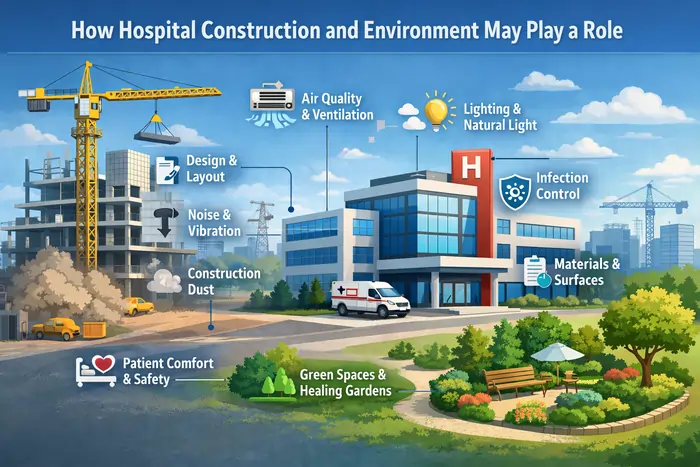
One of the most concerning aspects of the Sydney fungal infection cluster is the potential link between the infections and ongoing construction at Royal Prince Alfred Hospital. The hospital is currently undergoing a major redevelopment project valued at around AU$940 million, with building works taking place around the time the infections were detected in the transplant ward.
Health officials and SLHD have acknowledged that construction activity may have contributed to the outbreak by disturbing dust and releasing Aspergillus spores into the air, which can then infiltrate hospital spaces if not adequately controlled. Construction sites, excavation, and demolition are known risk factors for airborne fungal contamination, and hospitals typically need to implement strict barriers, negative pressure zones, and enhanced filtration to protect high-risk wards.
The remediation at RPA included deep cleaning, replacement or upgrading of air filters, sealing of certain areas, and targeted air-quality monitoring to check for elevated Aspergillus levels. After these measures, health authorities reported that no increased levels of Aspergillus were detected in the transplant unit when it was cleared to reopen in February. The incident, however, serves as a reminder of how hospital design, maintenance, and redevelopment must carefully account for infection-control risks, especially in wards that care for immunocompromised patients.
For another perspective on how major infrastructure projects can unintentionally impact infection risks, 1News summarises the issue in its piece Two Sydney patients die as hospital build sparks fungal outbreak.
Symptoms and Risks for Patients and Visitors
For most healthy people, brief exposure to Aspergillus spores does not cause illness and may go unnoticed. However, patients with severely weakened immune systems—such as organ transplant recipients, some cancer patients, and people on long-term high-dose steroids—face a higher risk of developing serious fungal infections.
Common symptoms associated with aspergillosis can include persistent cough, shortness of breath, chest pain, fever, fatigue, and sometimes coughing up blood. Some patients may also experience sinus congestion, headaches, or symptoms that resemble or overlap with other respiratory illnesses. In invasive forms of the infection, symptoms can worsen rapidly and affect multiple organs, which is why early recognition and treatment are critical in high-risk groups.
Visitors and most staff generally face far lower levels of risk, but they still benefit indirectly from strong infection-control measures and good environmental management in hospital buildings. Patients or families who have concerns about symptoms after a hospital stay—especially transplant or oncology patients—are encouraged to contact their specialist team promptly or seek urgent medical advice rather than waiting to see if symptoms resolve on their own. Authoritative clinical guidance on fungal infections and high-risk groups can also be found via NSW Health and specialist infectious disease societies.
Infection Control Measures at the Sydney Hospital
Once the fungal infection cluster was identified, a series of infection control measures were implemented at Royal Prince Alfred Hospital to protect current patients and prevent further cases. These included temporarily closing the affected transplant ward, relocating high-risk patients to alternate areas, and initiating a detailed environmental assessment.
The remediation process involved deep cleaning of the ward, upgrading and replacing air filtration systems, and carrying out air quality testing to detect any elevated levels of Aspergillus spores. Specific sections of the hospital were sealed off or restricted while this work was undertaken, to limit the spread of dust and potential contaminants from construction or maintenance areas.
In addition, patients who might have been exposed were contacted and monitored for signs of infection, while clinicians were advised to maintain heightened vigilance for potential fungal symptoms among transplant recipients. Once remedial actions were completed and testing showed acceptable environmental conditions, an advisory panel confirmed that the ward could safely reopen. These steps reflect standard infection-control practice for dealing with environmental mould issues, but the scale and consequences of the RPA cluster have highlighted the need for continuous improvement.
NSW Pathology’s article New Drug Study Reveals Promising Results For Hard-to-treat Fungal Infections gives further insight into how clinicians are trying to improve outcomes where infections like invasive aspergillosis occur despite preventive measures.
NSW Health and Public Health Response
NSW Health and the Sydney Local Health District have launched formal investigations into the fungal outbreak, with a focus on understanding exactly how and why the cluster occurred. A clinical review is examining the individual cases, the timing of infections, and the effectiveness of the response, while an advisory committee led by the Chief Health Officer has assessed the environmental safety of the ward.
Officials have stated that the hospital responded quickly once the pattern of infections became clear, implementing ward closure, remediation, and air testing measures to mitigate risks to other patients. NSW Health Minister Ryan Park has publicly expressed condolences to affected families and confirmed that reviews are underway to identify lessons and determine whether any changes in policy or practice are needed.
At the same time, media investigations and opposition politicians have raised questions about transparency and whether the full extent of the outbreak—including the number of deaths—was initially disclosed. This has added a political and public trust dimension to what is already a complex clinical and environmental issue. For wider context on infectious disease alerts, including emerging fungal threats and other outbreaks, the NSW Health infectious diseases alerts and updates page provides official guidance for both the public and health professionals.
Are Sydney Hospitals Still Safe for Patients?
Understandably, news of a fatal fungal infection cluster can make patients and families anxious about hospital safety in Sydney and across NSW. It is important to recognise that while this outbreak is serious, such clusters remain relatively rare, and hospitals generally remain safe and essential places to receive life-saving care.
In high-risk units like transplant wards, infection control standards are typically very stringent precisely because the patients are so vulnerable. Events like the Aspergillus outbreak at RPA highlight how even small environmental vulnerabilities—such as dust from nearby construction—can have outsized consequences in these settings and therefore must be managed proactively.
For most patients attending appointments, undergoing routine procedures, or visiting emergency departments, the risk of acquiring a severe fungal infection remains extremely low compared with the risk of not seeking needed medical care. Health authorities stress that patients should not avoid necessary treatment out of fear, but they also accept the need for transparency, rigorous review, and improvements where gaps are identified. Broader analyses of healthcare trends in 2026 show that infection prevention, infrastructure resilience and patient trust are central issues for health systems worldwide.
Preventive Steps for Patients and Families
While infrastructure and environmental controls are primarily the responsibility of hospitals and health authorities, patients and families can also take some practical steps to stay informed and feel more secure.
- High-risk patients—such as transplant recipients or those on strong immunosuppressive therapy—can ask their care team what specific infection-control measures are in place in their ward, including air filtration and room cleaning protocols.
- In some cases, wearing a well-fitted mask in high-risk or construction-adjacent areas of the hospital may offer an extra layer of reassurance, especially for immunocompromised patients.
- Families should feel comfortable asking staff about any recent infection clusters, what has been done to address them, and how current patients are being monitored.
- After discharge, patients should monitor for persistent cough, shortness of breath, chest pain, or other unexplained symptoms and promptly contact their specialist or GP if they are concerned.
NSW-focused resources on fungal infections and emerging treatments—such as the NSW Pathology piece on new drug studies for hard-to-treat fungal infections—illustrate how clinicians are working to improve outcomes for vulnerable patients.
Lessons Learned and Long-Term Implications for Sydney’s Health System
The Sydney fungal infection cluster at RPA raises broader questions about how health systems manage infrastructure, transparency, and patient safety. Firstly, it underscores the need to treat hospital construction and redevelopment as not only engineering projects but also infection-control challenges, requiring careful planning, monitoring, and communication with frontline clinicians.
Secondly, the incident highlights the importance of surveillance and data: clinicians noticed an unusual pattern of infections and escalated their concerns, which triggered a formal review and environmental investigation. Strong reporting systems, microbiological monitoring, and rapid response protocols are essential to catch and contain such clusters early.
Finally, the public debate about disclosure and trust shows that health authorities must balance the need to avoid unnecessary panic with the imperative of being open and timely in informing patients and the community. If handled well, the investigations into the RPA cluster could lead to stronger building standards, more rigorous construction controls, and clearer communication frameworks for future incidents across Sydney and NSW. For context on how such systemic changes fit into the bigger picture, this overview of healthcare industry trends in 2026 touches on infrastructure modernisation, data-driven care and patient safety reforms.
Final Thoughts on the Sydney Fungal Infection Cases
The fungal infection cases at Royal Prince Alfred Hospital are a stark reminder that even in advanced health systems, environmental hazards like airborne mould can have devastating consequences for the most vulnerable patients. Two confirmed deaths—and possibly more, according to some reports—linked to Aspergillus infections in a single transplant ward have justifiably raised public concern and prompted detailed scrutiny of hospital practices, construction, and oversight.
At the same time, the swift closure of the ward, the remediation work, and the involvement of NSW Health and SLHD show that the system can respond decisively when problems are identified. For patients and families, the key messages are to stay informed, ask questions, and promptly report symptoms, while still seeking necessary hospital care without delay. As Sydney’s health system absorbs the lessons from this outbreak, there is an opportunity to strengthen infection control, infrastructure planning, and public communication—reducing the chances that a “Sydney fungal infection” cluster of this scale will recur in the future and aligning with broader healthcare trends in 2026 that emphasise resilience, transparency and patient-centred care.