

Airbus A380 Key Takeaways
The Airbus A380 is quietly staging one of aviation’s most surprising revivals, with major international carriers putting their double‑deck giants back on key long‑haul routes.
- The renewed popularity of the Airbus A380 is driven by passenger demand, limited airport slots and a strong rebound in global tourism.
- Aussies are seeing more A380 capacity on flagship routes to Europe, Asia and the Middle East, especially with Qantas, Emirates and Singapore Airlines.
- The A380’s comeback brings upgraded cabins, better onboard comfort and competitive ticket pricing for long‑haul trips to and from Australia.
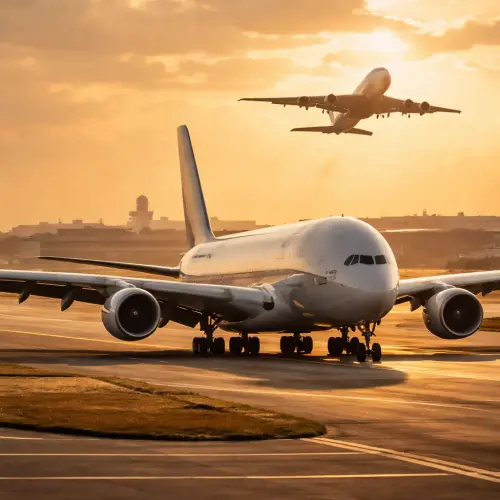
Why the Airbus A380 Comeback Matters for Australian Travellers
Only a few years ago, many aviation analysts thought the Airbus A380 era was ending. Several airlines retired their fleets early, and during the COVID‑19 pandemic the world’s biggest passenger jet was widely parked in the desert or long‑term storage, including Qantas aircraft in California’s Mojave Desert.
For Australians, that looked like the end of ultra‑spacious long‑haul flying on the upper deck and in those wide cabins the A380 is known for. Yet, as international borders reopened and demand rebounded faster than expected, airlines realised they needed serious capacity on trunk routes. The result: a genuine Airbus A380 comeback on routes that matter deeply to Aussie holiday‑makers, students, and business travellers.
Today, more Airbus A380 routes to and from Australia are back in schedules, linking cities like Sydney and Melbourne to hubs in Dubai, Singapore, Hong Kong and London. This shift is reshaping comfort levels, connection options and even airfare dynamics for Australian flyers.
How the Airbus A380 Went from Near-Exit to Revival
To understand the current resurgence, it helps to look at why the A380 was being phased out in the first place and why that logic has changed.
From over-sized icon to pandemic casualty
Before 2020, the narrative around the Airbus A380 was that it was simply too big and too expensive to operate compared with new fuel‑efficient twins like the Boeing 787 and Airbus A350. Several airlines, including Air France and Lufthansa, moved to retire or downsize their A380 fleets.
Then COVID‑19 hit. International traffic collapsed, and high‑capacity jets were the first parked. Qantas grounded its A380s, Emirates significantly reduced operations, and Singapore Airlines stored many of its superjumbos.
The demand and capacity crunch after borders reopened
When travel restarted, demand surged far quicker than airlines and airports could scale back up. Crews were limited, new aircraft deliveries were delayed, and infrastructure like gates and security struggled to handle the rush.
Airlines suddenly needed as many seats as possible on limited airport slots. The simplest answer: bring back the A380. This was especially compelling on long‑haul hubs serving Australia, where demand for Europe, Asia and Middle East connections snapped back fast.
Why Airlines Are Bringing the Airbus A380 Back on Australian Routes
The resurgence of Airbus A380 flights from Australia is not about nostalgia; it is a hard‑headed commercial decision. Several key factors explain why airlines have reinstated the superjumbo on Aussie routes.
1. Slot-constrained airports favour big jets
Major global hubs such as London Heathrow, Singapore Changi and Dubai International have limited take‑off and landing slots. With queues of airlines wanting access, the only way carriers can grow capacity is by flying bigger aircraft on the slots they already hold.
The Airbus A380 routes to and from Australia typically connect these slot‑constrained hubs. Instead of adding more flights, airlines like Emirates and Qantas simply upgauge to the A380 and win hundreds of extra seats per rotation.
2. Strong rebound in Australian outbound tourism
Aussies are travelling overseas again in large numbers, whether that is to Europe for the northern summer, to Southeast Asia for short breaks, or to the Middle East and beyond for business and family visits. This surge has made it commercially sensible to reintroduce the A380 on routes where demand is consistently high.
Emirates has restored A380 services on key Australia–Dubai–Europe corridors, while Singapore Airlines uses A380s on premium‑heavy routes where Australians often transit to the UK and continental Europe.
3. Premium demand and corporate travel recovery
The A380 is especially attractive on routes with strong premium demand. Its size allows airlines to install flagship first and business cabins with spacious lounges, large galleys and premium economy sections that appeal to both corporate and high‑yield leisure travellers.
As corporate travel in and out of Australia improves, airlines are keen to showcase their best products on these routes – and the A380 often houses the flagship cabin layout.
Key Airbus A380 Routes to and From Australia in 2025 and Beyond
Specific Airbus A380 routes to and from Australia will continue to evolve, but several patterns are clear for Australian flyers.
Flagship long-haul routes Aussies care about
- Australia – Middle East – Europe: Emirates operates A380s on Sydney–Dubai and Melbourne–Dubai, providing one‑stop connections to London, Paris and other European destinations.
- Australia – Asia – Europe: Singapore Airlines has deployed A380s on selected Singapore–Europe sectors, giving Australians flying from Sydney or Melbourne the chance to continue on an A380 to hubs like London.
- Australia – Asia: Some carriers, including previously Qantas and others periodically, have used or are expected to use the A380 on high‑demand routes into hubs such as Singapore and Hong Kong.
Timetables change seasonally, but the broader trend is that A380s are concentrated on high‑yield, high‑demand long‑haul corridors where Australian traffic is robust.
What this means for Aussie connection options
With more Airbus A380 flights from Australia reinstated, travellers often have extra flexibility around departure times, stopover choices and cabin class availability. Reward seat availability for frequent flyers can also improve when hundreds of extra seats are added per day on a given route.
The Airbus A380 Passenger Experience for Australians
One of the biggest wins from the Airbus A380 comeback is the onboard experience, especially on ultra‑long‑haul sectors commonly flown by Australians.
Spacious cabins and quieter ride
The A380’s double‑deck design allows for wider cabins and more headroom than many other aircraft. Even in economy, seats often feel less cramped simply because the cabin sidewalls are more vertical and overhead bins are higher.
The aircraft is also known for a quieter ride. On a 14‑hour flight between Australia and the Middle East or Asia, reduced cabin noise can make a noticeable difference in fatigue levels when you land.
Premium cabins, lounges and showers (on some carriers)
For Australians flying in premium economy, business or first, the A380 can be a standout. Depending on the airline, you may find:
- Onboard lounges or social spaces for business and first passengers
- Private suites with closing doors in first or business class
- On some Emirates A380s, shower suites in first class
- Flagship premium economy cabins with more legroom and upgraded catering
Combined with modern in‑flight entertainment systems and connectivity on many carriers, this offers a long‑haul experience that is hard to match on smaller jets.
How the A380 compares for everyday economy flyers
Even if you are in economy, the A380 can feel like a step up. Larger galleys and extra space allow airlines to manage service flows more smoothly, and many passengers report a more open, less claustrophobic feel compared with single‑deck long‑haul aircraft.
For families travelling from Australia to Europe or Asia, the quieter, more spacious environment can be especially welcome on overnight sectors when kids need sleep.
Airbus A380 Impact on Fares, Seat Choice and Booking Strategy
The return of more A380s has practical implications for how Australians search for and book long‑haul flights.
More seats can help keep a lid on fares
While many factors drive airfare pricing, extra capacity from an A380 on a route usually helps moderate peaks in pricing. When hundreds of extra seats are added per day, it becomes harder for that route to sell out completely, especially in shoulder seasons.
For Australians planning Europe trips or big family holidays, targeting routes operated by the A380 can sometimes provide more competitive pricing options, particularly when you book early and have some flexibility on travel dates.
Better chances for upgrades and reward seats
More seats also mean more opportunity for points redemptions and upgrades. Frequent flyers with Qantas, Emirates Skywards, Singapore KrisFlyer or other programs can find that A380 services open up additional award inventory in both economy and premium cabins.
On busy routes, this can be the difference between flying on your preferred dates in business class or having to compromise on timing or routing.
Choosing the best A380 seat: quick comparison table
Because cabin layouts differ by airline, it pays to know what matters when picking an A380 service. The table below outlines a simple decision guide for Aussies comparing long‑haul options.
| Priority for Aussie travellers | What to look for on an Airbus A380 | Practical tip when booking |
|---|---|---|
| Maximum comfort in economy | Wider 3‑4‑3 or 2‑4‑2 layouts, reputation for quieter cabins | Check seat maps and reviews on independent sites before choosing flights |
| Best premium experience | Flagship business and first cabins, onboard bar or lounge | Prioritise A380 services flagged as “new” or “refitted” in airline schedules |
| Using frequent flyer points | High seat count in premium cabins | Search award availability specifically on A380 flights where possible |
| Family travel value | More seats and flexible cabin options | Look for off‑peak A380 departures to secure adjacent seats together |
The Future of the Airbus A380 and What Aussies Can Expect
Despite its renewed popularity, the Airbus A380 comeback is unlikely to last forever. Airbus has stopped producing the aircraft, and over time newer, more efficient models will replace some of today’s superjumbos.
However, in the medium term – especially through the rest of this decade – Australians can expect the A380 to remain a prominent feature on major long‑haul routes. Airlines that have invested in cabin refurbishments will want to maximise that investment, keeping these jets flying on trunk routes linking Australia with the Middle East, Asia and Europe. For a related guide, see Virgin Australia Updates: Routes, Deals, and Travel News 2026!.
For Aussie travellers, that means several years of enjoying enhanced comfort, more spacious cabins and competitive pricing on many long‑haul journeys. When comparing itineraries, it is worth actively checking whether a flight is operated by an A380 and weighing that into your decision, particularly for ultra‑long‑haul segments where comfort really counts.
Useful Resources
To explore more detail on the aircraft and airline plans, these resources are helpful starting points:
Frequently Asked Questions About Airbus A380
Which airlines currently fly the Airbus A380 to and from Australia?
Airlines regularly adjust schedules, but in recent seasons carriers such as Qantas, Emirates and Singapore Airlines have operated the Airbus A380 on routes serving Sydney and Melbourne, often via major hubs like Dubai and Singapore that connect Australians to Europe, Asia and beyond. For a related guide, see Turkish Airlines: 7 Shocking Flight Cancellations Guide.
Are Airbus A380 flights from Australia more comfortable than other aircraft?
Many travellers find Airbus A380 flights more comfortable because the aircraft offers a quieter cabin, higher ceilings and a feeling of extra space compared with some twin‑engine long‑haul jets, which can make a real difference on 12‑ to 15‑hour journeys from Australia.
Does the Airbus A380 have better economy seats for Aussie travellers?
Seat width and pitch still depend on the airline’s chosen layout, but the Airbus A380’s wide fuselage and vertical sidewalls often result in a less cramped feel in economy, and some carriers use seat configurations that offer marginally more width than on narrower long‑haul aircraft.
Can flying on an Airbus A380 help reduce my airfare from Australia?
While fares are driven by demand, timing and competition, the high seat count on Airbus A380 services can add extra capacity on busy routes, which sometimes helps moderate prices, particularly outside peak holiday periods when not all seats are full.
Which routes commonly use Airbus A380 aircraft from Australian cities?
Typical Airbus A380 routes to and from Australia include services from Sydney and Melbourne to major hubs such as Dubai and Singapore, with onward A380 connections to cities like London, making them popular choices for Australians heading to Europe and Asia. For a related guide, see Qatar Airways: Latest News, Flights and Deals for Australian Travellers.
Is the Airbus A380 safer than other commercial aircraft?
The Airbus A380 meets the same rigorous international safety standards as other modern commercial aircraft, and safety performance is more about airline maintenance and operational culture than about one particular aircraft model being inherently safer than another.
Will the Airbus A380 eventually disappear from Australian skies?
Over the long term the Airbus A380 will likely be phased out as fleets modernise, but in the medium term Australians can expect to see it on key long‑haul routes because airlines that have refurbished their cabins want to maximise use of these aircraft for many years yet.
How can I tell if my flight from Australia is on an Airbus A380 ?
When booking online, check the flight details section, where the aircraft type is usually listed by name or code; you can also cross‑check on the airline’s website or use aircraft‑tracking and seat‑map sites to confirm that your chosen service is scheduled as an Airbus A380.
Are upgrades easier to get on Airbus A380 flights?
The Airbus A380’s larger premium cabins can sometimes mean more availability for paid or points upgrades, but success still depends on overall demand, your frequent flyer status, and how early you request the upgrade relative to departure.
What are the best seats on an Airbus A380 for long flights from Australia?
Preferences vary, but many travellers favour window seats away from galleys and toilets for a quieter experience, and some seek upper‑deck economy or premium economy sections on airlines that offer them, as these smaller cabins can feel more private on long‑haul sectors.
Does the Airbus A380 offer better in-flight entertainment for Australians?
In‑flight entertainment quality depends on the airline’s system rather than the aircraft type, but many carriers have installed their flagship, latest‑generation screens and content libraries on Airbus A380s, giving Australian passengers access to extensive movies, TV and music options.
Is the Airbus A380 more environmentally friendly than newer jets?
The Airbus A380 is generally less fuel‑efficient per seat than the latest twin‑engine aircraft on many routes, but when flown full on slot‑constrained routes it can still offer competitive emissions per passenger, and airlines balance this with broader fleet modernisation strategies.
Why did airlines store or retire the Airbus A380 during the pandemic?
During the pandemic, international demand plummeted and high‑capacity aircraft like the Airbus A380 became uneconomical to operate; airlines stored or retired them to cut costs, only to bring some back as travel demand rebounded faster than expected and capacity was urgently needed.
Are Airbus A380 flights quieter than Boeing 777 or 787 flights?
Many passengers perceive Airbus A380 flights as quieter, especially during cruise, because of the aircraft’s design and sound insulation, though modern Boeing 787s and other new aircraft are also engineered for low noise; individual experience can vary by seat location and airline.
Do all Airbus A380s have onboard bars or lounges?
Not all Airbus A380s have onboard bars or lounges; these features depend on the airline’s chosen cabin configuration, with some carriers offering social spaces for business and first class while others use the space for additional seating or galleys.
Is it worth paying extra to fly on an Airbus A380 from Australia?
Whether it is worth paying extra depends on your priorities; if comfort, quietness and access to flagship cabins matter most on very long flights, some Australians are willing to pay a modest premium to secure an Airbus A380 service over a smaller alternative.
How does the Airbus A380 handle turbulence on long routes?
The Airbus A380’s large size and weight mean it can feel more stable in light turbulence compared with smaller aircraft, although all jets must meet the same safety standards, and turbulence is a normal part of flying regardless of the aircraft type.
Can I use my Australian frequent flyer points specifically on Airbus A380 flights?
Yes, if partner airlines operate Airbus A380 services, you can often redeem Australian frequent flyer points on those flights, though you usually cannot guarantee the aircraft type will not change, so it is wise to treat the A380 as a bonus rather than an absolute certainty.
Are there any disadvantages to flying on an Airbus A380 for Aussies?
Potential downsides include larger boarding and disembarkation times at some airports and the possibility of busier cabins, but many Australians feel these are outweighed by the quiet ride, modern cabins and extra space the Airbus A380 typically provides on long‑haul journeys.
How long will the Airbus A380 comeback likely last on Australian routes?
Industry expectations suggest the Airbus A380 will remain on key Australian routes for at least the rest of this decade, as airlines leverage their investment in refurbishments and capacity needs, though individual route assignments will continue to evolve with demand and fleet changes.