

Great White Shark Key Takeaways
A real-life Great White Shark encounter off the Australian coast can be terrifying to watch, but it also reveals how these apex predators usually behave and how we can stay safer in their territory.
- A dramatic Great White Shark approach to a small boat was caught on camera , highlighting both risk and how calm actions can prevent disaster.
- Most Australian shark encounter situations end without injury when people follow basic safety, stay alert, and respect marine life.
- Understanding Great White Shark Australia behaviour helps beachgoers, surfers, and boaties enjoy the water more confidently, not fearfully.
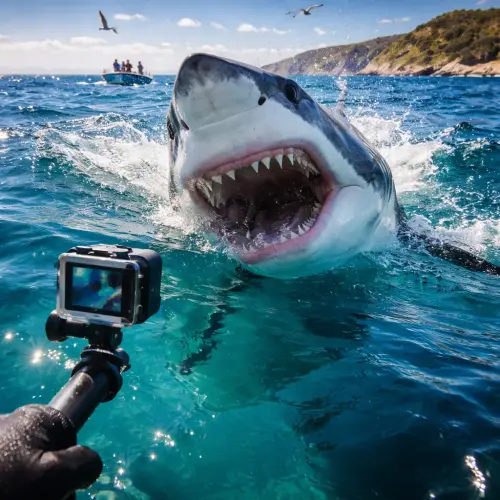
Great White Shark Encounter Caught on Camera in Australia
The sea was a pane of dark blue glass just off the South Australian coast, a few kilometres from the nearest beach, when a family fishing trip suddenly turned into a heart-pounding brush with a Great White Shark. The sun was dropping, the water was calm, and the phone camera was rolling more out of boredom than expectation when a pale shape rose from the depths beneath their tinny. For a related guide, see How Tony Hinchcliffe Became One of Comedy’s Most Talked-About Names.
Within seconds, that casual clip became a viral Great White Shark caught on camera moment: a huge white pointer circling the boat, nose bumping the outboard, dorsal fin slicing the surface as voices on board rose from laughter to stunned silence. It is the kind of scene that makes Aussies instinctively check the water before the next swim.
Why Great White Sharks Are So Common in Australian Waters
To anyone who loves the ocean, stories like this are both thrilling and unsettling. But encounters with a Great White Shark Australia wide are not random horror-movie twists; they are the natural result of sharing rich coastal ecosystems with one of the ocean’s top predators. For a related guide, see Zoë Kravitz: 7 Stunning Facts About Harry Styles Buzz.
Australia sits in a global hotspot for white pointers. From Western Australia’s southern coast to South Australia, Victoria, New South Wales and up into parts of Queensland, cool, nutrient-rich currents draw in baitfish, seals and whales. Where there is food, there are predators.
Typical Great White Shark hotspots around Australia
Although a Great White Shark encounter in Australia can technically happen almost anywhere offshore, certain areas are better known for regular sightings:
- Neptune Islands and Eyre Peninsula in South Australia
- South-west coast of Western Australia
- Offshore reefs and islands along the NSW south coast
- Seal colonies near Victoria’s southern headlands
These are not “shark-infested” in the tabloid sense; they are simply healthy marine habitats, where white pointers are part of the natural food chain.
Inside the Great White Shark Encounter: A Moment-by-Moment Retelling
The footage from this particular Australian shark encounter runs for less than two minutes, but it feels much longer when you watch it. Here’s how it unfolded, second by second.
The first shadow under the boat
The camera is pointed lazily at the wake, voices chatting about bait and the slow day’s fishing. Then someone notices a faint outline below the surface. At first it is just a darker smear against the blue, then the familiar torpedo shape appears.
“That’s a shark… that’s a white!” one of the men says, half in disbelief. The phone steadies, shaking only slightly as the lens tries to track the shark’s slow, deliberate rise.
The Great White Shark surfaces
In one smooth motion, the shark glides alongside the hull. The white underbelly flashes as it rolls slightly, eye studying the strange floating object above. This is the moment that turns any Great White Shark caught on camera from a curiosity into something that knots your stomach.
The dorsal fin breaks the water with the unmistakable, movie-familiar profile. It is larger than it looked underwater. The people on board instinctively retreat from the gunwales, though there is nowhere to go on a small tinny.
Circling, testing, then drifting away
For around 40 seconds, the shark circles. It nudges the outboard once, then drifts under the bow. The camera follows clumsily, catching glimpses of rough grey skin and tail as big as a person.
The people on board are speaking quickly now, but they are not screaming. One voice says, “Don’t try to touch it, just keep still.” Another person quietly starts pulling in a dangling line, wanting nothing in the water that might interest the animal.
Then, as calmly as it appeared, the Great White Shark banks away. Its tail flicks once, twice, and the shadow fades into the deep. The remaining minute of the clip is mostly nervous laughter and the sudden realisation of how close they just came to one of the most feared animals on the planet.
What This Great White Shark Encounter Really Shows About Shark Behaviour
When you strip out the drama, this Great White Shark encounter in Australia actually shows textbook behaviour: curiosity, not an attack. Understanding that difference matters for every Aussie who loves the ocean.
Curious predator, not mindless monster
White pointers often investigate new objects in their environment, especially boats, buoys, and floating debris. They use their eyes first, then sometimes bump or gently mouth objects to “test” them. In the video, the shark circles, observes, and gives one investigative nudge—then moves on. No charging, no repeated ramming, no attempt to breach.
Marine scientists from organisations like the CSIRO shark research programs regularly emphasise that most Great White Shark Australia encounters involve this sort of cautious investigation, not targeted aggression.
Myths vs reality about Great White Shark attacks
The word “attack” is used loosely in media coverage, but researchers now often prefer terms like “bite incident” or “encounter” unless there is clear evidence of predatory behaviour. Common myths include:
- Myth: Great Whites actively hunt humans. In reality, humans are not natural prey. Most bites on surfers or swimmers are believed to be mistaken identity in murky water.
- Myth: Once a shark approaches a boat, it will try to capsize it. Real-world evidence, including this clip, shows most sharks quickly lose interest when they realise the boat is not food.
- Myth: There are more sharks than ever. Many species, including Great White Shark populations, are still recovering from historical overfishing and remain protected in Australian waters.
How Australians balance fear and respect for marine life
Australians have always lived with the knowledge that sharks share our beaches. From Bondi to Busselton, we keep one eye on the surf and one on the sky for the Westpac chopper. But we also pride ourselves on being ocean-literate.
Surf clubs, local councils and state agencies run regular education campaigns about shark behaviour, seasonal patterns and risk reduction. Most Aussies learn early: you are entering someone else’s home when you step into the ocean, and respect is non-negotiable.
Five Powerful Safety Facts from This Great White Shark Australia Story
Every dramatic clip is a chance to sharpen our ocean sense. This particular Great White Shark encounter in Australia offers five clear lessons for both boaters and swimmers.
| Safety Fact | What Happened in the Encounter | What Aussies Can Learn |
|---|---|---|
| Staying calm changes outcomes | People on board stayed mostly composed, moved slowly, and did not panic. | Panic can lead to slips, falls, or accidental contact. Breathe, sit low, and avoid sudden movements. |
| Remove lures and bait quickly | One person quietly pulled in the fishing line. | Minimise food cues in the water when a shark is nearby. |
| Boats are rarely targeted | The shark nudged once, then left. | Most Australian shark encounter events near boats end with the animal simply moving on. |
| Good visibility helps | Clear daylight conditions meant the shark could identify the boat. | Low light and murky water are higher-risk times for swimmers and surfers. |
| Recording can aid research | The clip captured size, behaviour and location. | Footage shared with scientists can improve understanding of Great White Shark movements. |
Practical beach and boating safety tips around Great White Sharks
The same principles shown in this video apply whether you are on a tinny off Adelaide or swimming at a Gold Coast surf beach. Many echo advice from state government shark safety pages and Surf Life Saving Australia.
- Swim between the flags, where lifesavers are watching conditions and shark alerts.
- Avoid dawn, dusk and murky water, when sharks are more likely to be active or confused about silhouettes.
- Steer clear of bait schools, birds diving, and seal colonies when swimming, surfing or diving.
- On boats, secure all bait and fish scraps, and avoid cleaning fish in the water where people are swimming.
- Use apps and alerts such as state shark monitoring services, especially in Western Australia and New South Wales.
For detailed, evidence-based guidelines, check state resources like NSW SharkSmart, which collate current advice and sightings.
Living with Great White Sharks: Risk, Respect and the Aussie Ocean Culture
The real story behind any Great White Shark caught on camera in this country is not only the close call; it is how we choose to live with that risk. Australia’s coastline is long, wild and teeming with life. Completely eliminating risk would mean giving up many of the things we love most: early-morning surfs, offshore dives, and quiet evening paddles.
Instead, we manage the risk. That means smarter personal choices, continuing investment in research and monitoring, and resisting the urge to demonise a native species every time a clip goes viral.
A reflective note on this encounter
When you re-watch the video with a calmer eye, you see less of a monster and more of a powerful, cautious animal testing its environment. The family on the boat did what most Aussies would hope to do: they stayed as calm as they could, respected the shark’s space, and let the ocean’s top predator move on in peace.
If there is a single takeaway from this Great White Shark Australia story, it is this: awe and fear can co-exist. We do not have to choose between loving the ocean and acknowledging its dangers. We just have to be honest about both.
Useful Resources
For readers who want to dive deeper into shark behaviour and coastal safety in Australia, these two resources are a solid starting point:
- CSIRO Sharks and Rays Research – Australian scientific information on shark ecology, movements and conservation.
- NSW SharkSmart – Practical guidance, tools and alerts for safer ocean use around sharks.
In the end, that brief Great White Shark encounter in Australia captured on a family phone is a reminder of both our vulnerability and our privilege. To share the sea with such animals is risky, yes, but it is also part of what makes Australia’s coastline one of the most extraordinary places on Earth.
Frequently Asked Questions About Great White Shark
How common are Great White Shark encounters in Australia?
Encounters with Great White Sharks in Australia are relatively uncommon compared with the number of people in the water every day, but they do occur regularly along southern and eastern coasts where conditions suit them. Most encounters involve sightings near boats or distant fins, and the vast majority end without any contact or injury. Risk is very real but statistically low when measured against the millions of annual ocean visits.
Why are Great White Sharks protected in Australian waters?
Great White Sharks are protected because their populations declined historically due to fishing pressure, bycatch and habitat changes. As slow-growing apex predators, they reproduce relatively late and have few young, making them vulnerable to overexploitation. Protecting them helps maintain healthy marine ecosystems, as they play a crucial role in controlling prey populations and keeping food webs balanced.
What should I do if I see a Great White Shark while boating?
If you see a Great White Shark while boating, stay calm and keep everyone seated and away from the edges. Do not try to touch or feed the shark, and bring in any fishing lines, bait or burley from the water. Avoid starting the motor suddenly if the shark is very close to the propeller, and simply wait for it to move on. If possible, record details of the sighting for local authorities or research programs.
Are swimmers or surfers more at risk from Great White Sharks?
Surfers are generally considered at higher risk than swimmers because they often venture beyond the break, spend more time in deeper water, and resemble seals or other prey silhouettes from below. However, the overall risk to both surfers and swimmers remains low. Staying in patrolled areas, avoiding dawn and dusk sessions, and not surfing alone in remote, murky conditions all help reduce the likelihood of an incident.
Does murky water really increase shark bite risk?
Yes, murky water can increase the chance of mistaken identity because sharks rely heavily on silhouette and movement rather than fine detail when visibility is poor. In turbid conditions, a person on a board may be harder to distinguish from natural prey. Many safety campaigns advise avoiding the water near river mouths after heavy rain and in areas where underwater visibility is significantly reduced.
Can Great White Sharks actually bite through a small boat?
While Great White Sharks have extremely powerful jaws, it is rare for them to bite through a small boat’s hull. Occasional bite marks on kayaks or tinnies are usually investigative rather than full-force attacks. In most recorded cases, boats remained afloat and were able to return to shore. The bigger risk on a small craft is people losing balance or falling into the water if they panic or lean too far.
Do bright wetsuits or boards attract Great White Sharks?
There is ongoing debate about whether colours significantly affect shark interest, but most research suggests that contrast and movement are more important than any specific hue. Highly contrasting colours or patterns may make you more visible in the water, which in theory could make you stand out. However, there is no conclusive evidence that any particular colour dramatically increases or decreases Great White Shark risk compared with your location and behaviour.
How do scientists track Great White Shark movements in Australia?
Scientists track Great White Shark movements using a combination of satellite tags, acoustic tags and receiver networks placed along the coast. When a tagged shark passes a listening station, its presence is recorded, helping build a picture of migration routes and seasonal patterns. Some states use this information to feed real-time alerts into public shark apps and beach safety systems.
What time of year are Great White Sharks most active near Australian beaches?
Activity varies by region, but in many southern Australian areas, Great White Shark presence increases during cooler months when migrating whales and other prey move along the coast. Around seal colonies, activity can peak during pupping seasons. That said, sharks can be present year-round, so safety advice focuses on location, conditions and behaviour rather than a single “shark season.”
Is it safe to dive with Great White Sharks in Australia?
Cage diving with Great White Sharks is legal and regulated in specific areas such as South Australia’s Neptune Islands. Licensed operators follow strict guidelines on baiting, safety procedures and interaction limits. While no wildlife experience is completely risk-free, reputable cage diving operations are designed to minimise danger to both humans and sharks and can provide a powerful educational opportunity.
How do authorities respond after a serious shark bite?
After a serious shark bite, authorities typically close nearby beaches, investigate the incident and may increase aerial patrols or in-water monitoring. Some states deploy temporary drumlines or other deterrent measures around the incident area. There is also a strong focus on supporting victims, families and first responders, as well as communicating clearly with the public about any ongoing risk.
Do shark nets and drumlines stop Great White Sharks from reaching beaches?
Traditional shark nets and drumlines do not create a complete barrier and do not guarantee that Great White Sharks will not approach a beach. They are designed primarily to reduce local risk, but can also catch non-target species such as turtles, dolphins and harmless sharks. Many regions in Australia are exploring or trialling alternative technologies like drone surveillance, SMART drumlines and personal deterrents as part of a more balanced approach.
What personal shark deterrent devices are available in Australia?
In Australia, several personal shark deterrents are marketed to surfers, divers and swimmers, including electric field devices worn on the ankle or attached to boards. Independent testing has shown some models can reduce the likelihood of a close pass by certain species, though none are 100% effective. They are best seen as one extra layer of risk reduction, alongside smart decisions about when and where you enter the water.
How can I tell if a shark near me is a Great White?
Identifying a shark species in real time can be difficult, especially in choppy or murky water. Great White Sharks typically have a robust, torpedo-shaped body, a distinct triangular dorsal fin and a strong, crescent-shaped tail. They also have a noticeable contrast between their dark grey upper body and white underside. However, if you see any large shark close by, the safest approach is to exit the water calmly and report the sighting to local authorities rather than trying to identify it precisely.
Do Great White Sharks come close to shore in Australia?
Yes, Great White Sharks can and do come into relatively shallow water, particularly when following prey like seals or schools of fish. Encounters have occurred within surf zones and near headlands. That said, many passes likely go unnoticed, and the majority do not involve any interaction with people. This is why swimming between the flags and listening to local advice is so important.
Are fatal Great White Shark attacks increasing in Australia?
Year-to-year numbers of fatal shark bites, including those involving Great Whites, fluctuate and are influenced by many factors, including how many people are using the ocean. Some recent periods with more fatalities have drawn intense media attention, but when viewed over longer timescales, Australia’s fatality rates remain low compared with overall beach and boating activity. Long-term trends are still being studied by shark researchers.
What role do Great White Sharks play in the marine ecosystem?
Great White Sharks are apex predators, which means they sit near the top of the food chain and help regulate populations of seals, other sharks and large fish. By targeting weaker or sick individuals, they can contribute to healthier prey populations and prevent any one species from dominating. Their presence is considered a sign of a relatively intact ecosystem rather than a problem to be “removed.”
How can I report a Great White Shark sighting in Australia?
You can usually report a Great White Shark sighting to your state’s fisheries or environment department, local surf lifesaving club, or via official shark apps where available. Provide details such as time, location (GPS if possible), estimated size and behaviour. These reports help authorities update public alerts and contribute to research databases tracking shark activity along the coast.
Is it legal to harm or kill a Great White Shark if it approaches my boat?
Great White Sharks are protected in Australian waters, and it is illegal to target, harm or kill them except in very limited circumstances such as strict self-defence where human life is in immediate danger. Even then, authorities would closely examine what happened. The best approach is always to avoid attracting sharks in the first place and to retreat safely rather than escalating any encounter.
What is the safest attitude to take toward Great White Sharks as an Australian ocean user?
The safest attitude combines respect, awareness and perspective. Accept that sharks, including Great Whites, are part of Australian coastal life, learn the conditions that increase risk, and make sensible decisions about where and when you enter the water. At the same time, keep a sense of proportion: enjoy the ocean, stay informed, and remember that millions of Australians swim, surf and boat every year without incident.