

Polycystic Ovary Syndrome Key Takeaways
Polycystic Ovary Syndrome is a common hormonal condition that affects many Australian women, often for years before it is properly diagnosed.
- The most important Polycystic Ovary Syndrome clues are ongoing changes in your periods, skin, hair, weight, and mood that do not have another clear cause.
- PCOS can affect fertility, metabolism, and mental health, but many symptoms can be well managed with the right support and treatment in Australia.
- If these symptoms sound familiar, seeing your GP for assessment, blood tests, and an ultrasound is a practical first step toward getting answers and a plan.
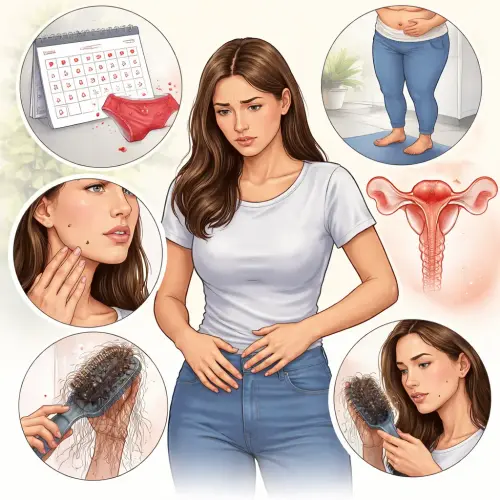
What Australian Women Should Know About Polycystic Ovary Syndrome
Polycystic Ovary Syndrome (PCOS) is one of the most common hormonal conditions in women of reproductive age, including in Australia. It affects how the ovaries work and can cause a wide range of symptoms that go beyond the reproductive system.
Many women only discover they have PCOS when they struggle to conceive, gain weight unexpectedly, or notice persistent skin and hair changes. Because PCOS symptoms in women can vary, it is easy to dismiss them as “just stress” or “bad periods”. Knowing the key signs of Polycystic Ovary Syndrome helps you recognise when it is time to speak to your GP.
Menstrual Irregularities: The Most Common Polycystic Ovary Syndrome Symptoms
Menstrual changes are often the first thing women notice. However, not every irregular period means you have PCOS. It is the ongoing pattern that matters.
Irregular, Rare, or Missing Periods
One of the classic Polycystic Ovary Syndrome symptoms is a cycle that is consistently outside the typical 21–35 day range. You might notice:
- Fewer than eight periods per year
- Cycles that jump between very short and very long
- Periods that stop for several months (amenorrhoea)
This often reflects that you are not ovulating regularly. In Australia, GPs commonly investigate these patterns with blood tests to check hormones and, if needed, a pelvic ultrasound.
Very Heavy or Very Light Bleeding
Some women with PCOS have heavy, prolonged periods, while others have very light bleeds. Heavy bleeding with clots or bleeding that lasts more than seven days is worth discussing with a doctor, especially if it leaves you tired or low in iron.
Pain Is Not Always a PCOS Sign
Mild cramping is common, but severe pelvic pain may point to something else such as endometriosis. It is possible to have both conditions, so do not ignore severe or worsening pain.
Hormonal and Physical Signs of Polycystic Ovary Syndrome
Because PCOS affects hormone levels, it can show up on your skin and hair as clearly as it does in your menstrual cycle. These visible PCOS symptoms Australia-wide often prompt women to seek help.
Acne That Does Not Respond to Usual Skincare
Hormonal acne from PCOS typically appears along the jawline, chin, neck, chest, and back. It may:
- Persist well past the teenage years
- Worsen around your period
- Not clear fully with over‑the‑counter products
In Australia, GPs and dermatologists may prescribe topical treatments, oral medications, or hormonal contraception to help manage acne linked to PCOS hormones.
Excess Hair Growth (Hirsutism)
Many women with PCOS notice coarse, dark hair in areas more typical of male patterns, such as the face (chin, upper lip, sideburns), chest, lower abdomen, or back. This happens due to higher levels of androgens (“male” hormones) in the body.
Managing this can involve hair removal methods plus medical options like the contraceptive pill or anti‑androgen medicines prescribed by a doctor.
Thinning Hair or Hair Loss on the Scalp
Paradoxically, while some women grow more hair in unwanted places, they may notice thinning hair on the scalp, especially toward the crown or part line. This androgenic hair loss can be subtle at first and may run in families.
Skin Changes: Dark Patches and Skin Tags
Some Polycystic Ovary Syndrome symptoms show up as:
- Dark, velvety patches of skin (acanthosis nigricans), often on the neck, underarms, or groin
- Small, soft skin tags, particularly in the same areas
These can be related to insulin resistance and are worth mentioning to your GP as part of a whole‑picture assessment.
Metabolic Polycystic Ovary Syndrome Symptoms: Weight, Insulin, and Long‑Term Health
PCOS is not just a reproductive condition; it is closely linked to how your body handles insulin and blood sugar. These metabolic aspects are crucial to recognise early.
Unexpected Weight Gain or Difficulty Losing Weight
Many women with PCOS struggle with weight gain, particularly around the abdomen, even with healthy eating and regular movement. This is often related to insulin resistance, where the body needs more insulin to keep blood sugar in a normal range.
In Australia, GPs may order fasting glucose, insulin levels, and a lipid profile to assess your metabolic health if they suspect PCOS.
Insulin Resistance and Blood Sugar Changes
Insulin resistance can cause subtle symptoms such as energy crashes after meals, strong sugar cravings, or feeling shaky when you go too long without eating. Over time, it increases the risk of type 2 diabetes and cardiovascular disease.
The positive news is that lifestyle changes, along with medications like metformin when appropriate, can significantly improve these Polycystic Ovary Syndrome symptoms and lower long‑term risk.
Sleep Apnoea and Fatigue
Women with PCOS are more likely to have obstructive sleep apnoea, especially if they carry extra weight. Signs include loud snoring, waking unrefreshed, morning headaches, and daytime sleepiness. If your partner notices you stop breathing briefly in your sleep, discuss it with your GP.
| PCOS Metabolic Sign | What You Might Notice | When to See a GP |
|---|---|---|
| Insulin resistance | Energy dips, sugar cravings, dark neck patches | As soon as symptoms are persistent or worsening |
| Weight changes | Rapid gain or difficulty losing weight | If weight changes continue despite healthy habits |
| Sleep apnoea | Snoring, unrefreshing sleep, daytime fatigue | Promptly, especially if you stop breathing at night |
Fertility‑Related Signs of Polycystic Ovary Syndrome
Because PCOS affects ovulation, it is a leading cause of anovulatory infertility. Not every woman with PCOS will struggle to conceive, but certain patterns suggest your fertility may be affected.
Trouble Conceiving or Very Irregular Ovulation
If you have been trying to fall pregnant for 12 months (or six months if you are over 35) without success, and your periods are irregular, PCOS is one possible cause. Signs you may not be ovulating regularly include:
- Cycles longer than 35–40 days on a consistent basis
- No mid‑cycle symptoms such as ovulation pain or cervical mucus changes
- Ovulation predictor kits rarely showing a clear surge
Recurrent Early Miscarriages
Some research suggests a higher rate of early miscarriage in women with PCOS, potentially linked to hormonal and metabolic factors. If you have experienced recurrent miscarriages, your specialist may assess for PCOS as part of a comprehensive work‑up.
Fertility Help in the Australian Health System
In Australia, a GP can refer you to a gynaecologist or fertility specialist if PCOS is suspected and you are trying to conceive. Treatments may include lifestyle support, ovulation‑inducing medications like letrozole or clomiphene, or assisted reproductive technologies through clinics that follow national guidelines.
Mental Health Impacts: The Hidden Polycystic Ovary Syndrome Symptoms
The emotional side of PCOS is just as important as the physical side. Hormonal shifts, body image changes, and fertility worries can all affect mental wellbeing.
Low Mood, Anxiety, and Irritability
Studies show women with PCOS have higher rates of depression and anxiety than women without the condition. You might feel:
- Persistently flat, hopeless, or easily overwhelmed
- More anxious in social situations due to acne or excess hair
- Emotionally drained by ongoing health and fertility concerns
Body Image and Self‑Esteem Challenges
Weight changes, acne, and hair growth can all erode self‑confidence. It is common to feel frustrated if lifestyle efforts do not seem to work “the way they do for everyone else”. Recognising these feelings as part of the broader PCOS picture can help you seek the right kind of support.
Getting Mental Health Support in Australia
Your GP can create a Mental Health Treatment Plan, allowing you to access Medicare‑subsidised sessions with a psychologist. This can be particularly helpful alongside medical treatment for physical Polycystic Ovary Syndrome symptoms.
Accessing PCOS Care in Australia: Screening, Diagnosis, and Specialists
Understanding what are the symptoms of Polycystic Ovary Syndrome is only the first step. The next is knowing how the Australian health system can support you.
When to See a GP About Possible PCOS
Book a GP appointment if you notice several of the following for more than a few months:
- Irregular, absent, or very heavy periods
- Persistent acne or new facial/body hair growth
- Thinning hair on the scalp
- Unexplained weight gain or dark skin patches
- Trouble conceiving after 6–12 months of trying
- Ongoing low mood, anxiety, or fatigue
It can help to bring a symptom diary and a record of your menstrual cycles to your appointment.
How PCOS Is Usually Assessed in Australia
To assess for PCOS, your GP may:
- Take a detailed history and perform a physical examination
- Order blood tests to check hormones, blood sugar, cholesterol, and other markers
- Refer you for a pelvic ultrasound to look at your ovaries and endometrium
Diagnosis is usually based on internationally accepted criteria, similar to those outlined in resources like the Healthdirect PCOS overview.
GPs, Endocrinologists, and Gynaecologists
Your GP is the best starting point and can manage many aspects of PCOS, including contraception, metabolic health, and mental health support. You may also be referred to:
- A gynaecologist for menstrual issues, pelvic pain, or fertility planning
- An endocrinologist for complex hormonal or metabolic concerns
- A dietitian or exercise physiologist, often accessible through chronic disease management plans
Practical Checklist for Your Appointment
Before you see your GP, consider:
- Tracking at least three months of periods and symptoms
- Listing any family history of PCOS, diabetes, or fertility issues
- Writing down all medications, supplements, and contraceptives you use
- Preparing questions about treatment options and long‑term monitoring
Bringing It Together: Living Well With Polycystic Ovary Syndrome in Australia
Recognising PCOS symptoms in women early can make a genuine difference to long‑term health and quality of life. If you are noticing a pattern of menstrual changes, skin and hair shifts, metabolic signs, or emotional strain, it is worth exploring whether PCOS could be playing a role.
With the support of your GP and, when needed, specialists, most women can manage Polycystic Ovary Syndrome effectively. You do not need to wait until symptoms are severe. Reaching out now is a proactive, powerful step toward understanding your body and planning for your future health and fertility.
Useful Resources
For further reading from reputable Australian and international organisations, these resources offer clear, up‑to‑date guidance on PCOS:
- Healthdirect Australia – Polycystic ovary syndrome (PCOS)
- Jean Hailes for Women’s Health – PCOS information and management
Frequently Asked Questions About Polycystic Ovary Syndrome
What are the most common early symptoms of Polycystic Ovary Syndrome ?
The most common early Polycystic Ovary Syndrome symptoms include irregular or missing periods, persistent acne beyond the teenage years, new or worsening facial or body hair growth, and unexplained weight gain, especially around the abdomen. Some women also notice dark patches of skin on the neck or underarms and increasing fatigue. If you experience several of these signs together for more than a few months, it is sensible to talk with your GP about PCOS assessment.
Can you have Polycystic Ovary Syndrome with regular periods?
Yes, it is possible to have PCOS and still have periods that appear regular. Some women have cycles that fall within the normal length range but do not ovulate every month, or they may show other key signs of Polycystic Ovary Syndrome such as acne, excess hair growth, or metabolic changes. Because of this variability, doctors look at your overall pattern of symptoms, hormone levels, and ultrasound findings rather than period regularity alone.
How is Polycystic Ovary Syndrome diagnosed in Australia?
In Australia, PCOS is typically diagnosed using internationally recognised criteria that consider ovulation patterns, signs of excess androgens, and ovarian appearance on ultrasound. Your GP will usually start with a detailed history and physical examination, order blood tests to check hormone and metabolic markers, and arrange a pelvic ultrasound if needed. A diagnosis is made when other possible causes are excluded and enough characteristic features of PCOS are present.
Does having cysts on the ovaries always mean I have PCOS?
No, having cysts or follicles visible on your ovaries does not automatically mean you have PCOS. Many women, especially younger women, have polycystic‑appearing ovaries on ultrasound but no other Polycystic Ovary Syndrome symptoms. PCOS is diagnosed based on a combination of factors, including hormone levels and ovulation patterns, not just ultrasound alone, which is why a full assessment with your GP is essential.
Can Polycystic Ovary Syndrome symptoms improve with lifestyle changes?
Yes, for many women, lifestyle changes are a powerful way to improve PCOS symptoms in women, particularly metabolic and hormonal issues. A balanced diet, regular physical activity, and weight management where appropriate can help improve insulin sensitivity, regulate cycles, reduce androgen levels, and boost energy. That said, lifestyle is only one part of management, and many women also benefit from medications and specialist support, so it is helpful to work with a GP or dietitian rather than trying to tackle it alone. For a related guide, see ADHD Explained: Symptoms, Causes, and Treatment Guide.
Will Polycystic Ovary Syndrome stop me from getting pregnant?
PCOS can make it harder to conceive because it often disrupts ovulation, but it does not mean you cannot fall pregnant. Many women with PCOS conceive naturally, and others do so with support from ovulation‑inducing medications or fertility treatments. If you have irregular periods and have been trying to conceive for 6–12 months, speak with your GP or a fertility specialist about your options and an appropriate plan for your situation.
Are Polycystic Ovary Syndrome symptoms different for Australian women?
The core features of PCOS are similar worldwide, but PCOS symptoms Australia-wide may be shaped by local lifestyle, diet, climate, and healthcare access. For example, Australian women might notice skin changes or body image concerns more acutely in warmer weather where clothing is lighter. The key difference is that in Australia, there is good access to GP care, Medicare‑subsidised tests, and specialist referrals, which can support earlier diagnosis and tailored management.
Is Polycystic Ovary Syndrome linked to diabetes?
Yes, PCOS is closely linked with insulin resistance, which increases the risk of developing type 2 diabetes over time. Not everyone with PCOS will develop diabetes, but women with PCOS are considered at higher risk and are often monitored with regular blood sugar and HbA1c tests. Lifestyle measures and, when appropriate, medications like metformin can significantly reduce this risk, making early recognition of Polycystic Ovary Syndrome symptoms very important. For a related guide, see What Is Meningococcal disease? Symptoms Australians Should Never Ignore.
Can thin women have Polycystic Ovary Syndrome ?
Yes, PCOS is not limited to women who are overweight or obese. Lean women can also have PCOS and may show more prominent hormonal symptoms such as irregular periods, acne, or excess hair growth. While weight‑related metabolic risks may be lower, lean women with PCOS still benefit from assessment and ongoing care because they can experience fertility issues and subtle metabolic changes as well.
What mental health symptoms can be associated with PCOS?
Women with PCOS commonly report low mood, anxiety, irritability, and reduced self‑esteem, often driven by hormonal changes, body image concerns, and fertility worries. Sleep disturbances and fatigue can make these feelings worse. Recognising these as part of the wider picture of Polycystic Ovary Syndrome symptoms can help you seek appropriate support, including talking therapies and, when needed, medication prescribed through a GP or psychiatrist. For a related guide, see Gut Bacteria: 10 Surprising Powerful Facts.
Should I see a GP or a specialist first for possible PCOS?
Your GP is the best first point of contact if you suspect PCOS. They can assess your symptoms, order initial blood tests and an ultrasound, and discuss early management steps. If your case is complex or you are struggling with fertility, your GP can then refer you to a gynaecologist or endocrinologist. Starting with a GP also helps coordinate care and ensures other possible causes of your symptoms are not missed.
Can the contraceptive pill hide Polycystic Ovary Syndrome symptoms?
Hormonal contraception, especially combined pills, can regulate bleeding, improve acne, and reduce excess hair growth, which may mask underlying PCOS. Some women only notice clear signs of Polycystic Ovary Syndrome after stopping the pill. If you suspect PCOS, discuss your history with your GP, including what your periods and skin were like before you started contraception, to help guide assessment and testing.
Is Polycystic Ovary Syndrome genetic?
There does appear to be a genetic component to PCOS, as it often runs in families. If your mother, sisters, or close female relatives have PCOS, diabetes, or fertility issues, your own risk may be higher. However, genetics are only part of the picture; lifestyle and environmental factors also play a significant role in how and when Polycystic Ovary Syndrome symptoms appear.
What is the difference between PCOS and polycystic ovaries?
Polycystic ovaries describe an ultrasound appearance where the ovaries contain many small follicles, which can be normal in some women. PCOS, on the other hand, is a syndrome, meaning a collection of symptoms and signs, including hormonal changes, irregular ovulation, and sometimes polycystic ovaries. You can have polycystic ovaries without PCOS, and you can have PCOS without a classic polycystic appearance on ultrasound, so doctors rely on the full clinical picture for diagnosis.
Can Polycystic Ovary Syndrome cause pelvic pain?
Mild pelvic discomfort can occur with PCOS, especially around the time of ovulation or with very heavy periods, but significant or persistent pelvic pain is not a hallmark PCOS feature. Severe pain can point to other conditions like endometriosis, ovarian cyst complications, or infection. If pain is a major symptom for you, it is important to see your GP promptly so that PCOS and other possible causes are properly investigated.
How are Polycystic Ovary Syndrome symptoms treated?
Treatment is tailored to your symptoms and goals, such as improving cycles, managing skin and hair changes, protecting long‑term health, or supporting fertility. Options may include lifestyle changes, the contraceptive pill or hormonal IUDs, insulin‑sensitising medications like metformin, anti‑androgen medicines, and fertility treatments when needed. Because PCOS affects multiple systems, a combination of approaches often works best, guided by your GP or specialist.
Can Polycystic Ovary Syndrome go away on its own?
PCOS is considered a long‑term condition, so it does not usually disappear completely, but symptoms can change over time and become much more manageable. Many women find that with the right care, their periods become more regular, metabolic markers improve, and acne or excess hair lessen. Even if symptoms ease, it is still important to maintain regular check‑ups to monitor metabolic health and adjust treatment as your needs change.
Are there specific diets recommended for women with PCOS?
There is no single “PCOS diet” that suits everyone, but many women benefit from an eating pattern that stabilises blood sugar, such as focusing on whole foods, plenty of vegetables, lean proteins, healthy fats, and high‑fibre carbohydrates. Reducing highly processed foods and sugary drinks can help improve insulin resistance, a core driver of Polycystic Ovary Syndrome symptoms. Working with an accredited practising dietitian in Australia can help you find an approach that fits your lifestyle and preferences.
When should I worry that my Polycystic Ovary Syndrome symptoms are getting worse?
You should return to your GP if you notice your periods becoming more irregular, sudden or significant weight gain, worsening acne or hair growth, new or persistent fatigue, or signs of high blood sugar such as increased thirst and frequent urination. Any new chest pain, shortness of breath, or severe pelvic pain also warrants urgent review. Regular monitoring helps catch changes early so your management plan can be adjusted before complications develop.
Can exercise really make a difference to PCOS symptoms?
Regular physical activity can significantly improve PCOS symptoms in women by enhancing insulin sensitivity, supporting weight management, boosting mood, and improving sleep quality. A mix of aerobic exercise, such as brisk walking or swimming, and resistance training, like bodyweight or light weight exercises, is often recommended. The key is to choose activities you enjoy and can sustain long term, and to build up gradually rather than aiming for perfection from day one.