

Gut Bacteria Key Takeaways
Your gut bacteria are in constant conversation with your brain, quietly shaping mood, cravings, stress, and even sleep.
What Readers Should Know About Gut Bacteria and the Brain
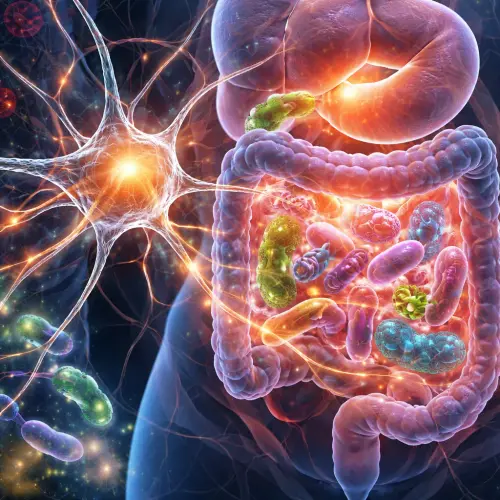
If you’ve ever felt “butterflies in your stomach” before a big event, you’ve had a glimpse of the gut-brain connection at work. Your digestive tract is packed with neurons that constantly listen to signals from gut bacteria and relay information back to your brain. Scientists call this two-way highway the gut-brain axis, and it’s one of the most exciting areas in modern neuroscience.
We used to think bacteria were just invaders or passive passengers. Now we know they make signaling molecules, vitamins, and even neurotransmitter-like chemicals that can influence mood, appetite, and stress. Below are 10 surprisingly relatable gut brain connection facts about how neurons sense gut bacteria, plus what they might mean for everyday life.
10 Surprising Facts About How Gut Bacteria Talk to Your Neurons
Let’s walk through ten digestible, science-backed insights that bring the microbiome and nervous system connection down to earth.
1. Your Gut Has Its Own “Second Brain” Packed With Neurons
Your digestive tract contains about 100 million neurons, known as the enteric nervous system. That’s why some researchers call it the “second brain.” These neurons help control muscle contractions, secretions, and blood flow in the gut—without asking your brain for permission every second.
What’s wild is that this second brain doesn’t just coordinate digestion; it also listens very closely to your gut bacteria. When bacteria change, the firing patterns of these neurons can shift, which may influence everything from bowel habits to how anxious you feel.
2. Neurons Can Sense Microbial Metabolites Like Tiny Text Messages
One of the most surprising facts about gut bacteria is that they constantly release small molecules called metabolites. These include short-chain fatty acids (like butyrate), gases, and organic acids. Neurons in the gut and immune cells have receptors that detect many of these compounds.
Think of microbial metabolites as text messages that tell your nervous system what’s happening in your gut neighborhood. If the messages say “calm, balanced, plenty of fiber,” your nervous system tends to stay relaxed. If they scream “inflammation, low-fiber, high-sugar chaos,” nerves and immune cells can shift into stress mode.
3. Some Gut Bacteria Can Make Neurotransmitter-Like Chemicals
Certain species of gut bacteria can produce molecules that look a lot like brain chemicals. For example, some Lactobacillus and Bifidobacterium strains can make GABA (an inhibitory neurotransmitter), while others can influence serotonin precursors. Most of this chemistry happens in the gut, not the skull, but your nervous system still pays attention.
These microbial-made messengers can interact with receptors on gut neurons or immune cells, changing how signals travel to the brain via the vagus nerve. That helps explain why the state of your microbiome can subtly affect mood, stress resilience, and even how you experience pain.
4. The Vagus Nerve Works Like a Live-Stream From Gut to Brain
The vagus nerve is a long, wandering nerve that sends information from your organs up to your brainstem. It’s the main phone line in the gut-brain axis. Many of the most fascinating gut brain connection facts involve this nerve sensing what’s going on in the gut.
When gut bacteria produce certain metabolites or influence gut hormones, receptors on vagal nerve endings pick up the change. Those signals then travel to brain regions involved in emotion and stress. In practical terms, shifting your microbiome can alter how “loud” or “quiet” this vagal feedback feels.
5. Your Microbiome Helps Train the Nervous and Immune Systems
From infancy, gut bacteria help educate your immune system about what’s dangerous and what’s safe. This training also affects how nerve cells behave, because immune molecules and inflammatory signals can change neuronal sensitivity. Too much chronic inflammation can make neurons more jumpy and reactive.
Researchers now think early-life changes in the microbiome—due to birth method, antibiotics, or diet—may shape how the microbiome and nervous system develop together. That might be one reason why gut health is tied to allergies, autoimmune issues, and even certain mood disorders later on.
6. Your Cravings May Be Influenced by Gut Bacteria Talking to Your Brain
If you feel like your cravings have a mind of their own, you’re not totally wrong. Some studies suggest that gut bacteria can nudge you toward foods they “prefer,” by altering hunger hormones and reward signals. For example, bacterial byproducts can influence hormones like ghrelin and peptide YY, which talk to appetite-regulating neurons.
This doesn’t mean microbes control you like a puppet, but they are one voice in the room. When your gut is rich in fiber-loving bacteria, they tend to reinforce a preference for whole, plant-based foods that keep them—and you—well fed.
7. Stress Changes Gut Bacteria, and Gut Bacteria Change Stress Responses
Stress isn’t just in your head; it also shows up in your gut. Stress hormones like cortisol can alter gut motility, mucus production, and immune activity, all of which can shift the balance of gut bacteria. In turn, a disrupted microbiome can send more “danger” signals back to the brain.
This loop helps explain why chronic stress is linked with digestive issues and why improving gut health often makes people feel calmer. Supporting a stable microbiome gives neurons fewer alarm bells to respond to, which can gently dial down stress reactivity over time.
8. Microbial Diversity Is Like Cross-Training for Your Gut-Brain Axis
A diverse community of gut bacteria tends to produce a wider variety of beneficial metabolites. That gives your neurons and immune cells a richer, more balanced set of signals. In contrast, a low-diversity microbiome (often linked with ultra-processed diets) can leave your nervous system with fewer stabilizing messages.
In everyday terms, think of microbial diversity like cross-training: many different species, each with different skills, make your gut-brain axis more adaptable. That resilience can matter when you face stress, illness, or dietary changes.
9. What You Eat Today Can Change Gut-Brain Signals Within Days
One of the most encouraging surprising facts about gut bacteria is how quickly they can respond to diet shifts. Studies show that major changes in fiber intake, fermented foods, or ultra-processed snacks can noticeably reshape the microbiome in a matter of days—sometimes even hours.
That means neurons in your gut start sensing a new microbial “weather report” pretty fast. While deeper healing takes time, people often notice changes in digestion, bloating, or even mood within a week or two of consistent dietary changes.
10. You Can Nudge Gut-Brain Communication Without Perfection
You don’t need a perfect diet or a cabinet full of supplements to support the microbiome and nervous system. Small shifts add up: more plants, more variety, more fermented foods, and fewer ultra-processed products all change what your gut bacteria are feeding on. For a related guide, see Foods and Supplements That Enhance Terahertz Benefits.
Better fuel leads to calmer, more balanced signals heading from your gut to your neurons and brain. Over time, that can translate into steadier energy, smoother digestion, and a more resilient mood—without obsessing over every bite.
Simple Lifestyle Tips to Support Healthy Gut Bacteria
Now that you know how neurons sense gut bacteria, it helps to have a few practical levers you can actually pull. You don’t have to overhaul everything; focus on small, sustainable steps that fit your routine.
Feed Your Microbes With Fiber and Variety
Most beneficial gut bacteria love fiber from plants. Aim to build meals around vegetables, fruits, beans, lentils, nuts, seeds, and whole grains. Variety matters too: different plants support different microbes, which leads to a more resilient gut ecosystem and more balanced signals to your nervous system.
Include Fermented Foods When You Can
Foods like yogurt with live cultures, kefir, sauerkraut, kimchi, miso, and kombucha can introduce helpful microbes and their metabolites. Even a few servings a week can change the mix of signals your gut sends to neurons. Start small if you’re not used to them, especially if you have a sensitive stomach.
Protect Your Gut-Brain Axis From Chronic Stress
Because stress reshapes gut bacteria, stress care is gut care. Short, realistic practices—like a daily walk, a 5-minute breathing exercise, journaling, or consistent sleep—can calm stress hormones and help stabilize gut-brain communication. You don’t need a perfect routine; you just need something you’ll actually stick with.
Quick Gut-Brain Self-Check Table
Use this simple table as a gentle gut-brain “check-in” to notice patterns and possible next steps.
| What You Notice | Possible Gut-Brain Link | Simple Next Step |
|---|---|---|
| Frequent bloating and mood swings | Gut inflammation may be sending stress signals to neurons | Increase plant diversity and cut back on ultra-processed foods for 2 weeks |
| High stress and sensitive digestion | Stress hormones disrupting gut bacteria balance | Add a daily stress-relief habit (walk, breathwork, stretching) |
| Low energy after heavy meals | Microbes and gut nerves working hard to process big loads | Try smaller meals with more fiber and fewer refined carbs |
| Irregular bowel habits | Gut-brain motility coordination may be off | Increase water, fiber, and daily movement; talk with a clinician if persistent |
Why Gut Bacteria and Neurons Matter for Everyday Health
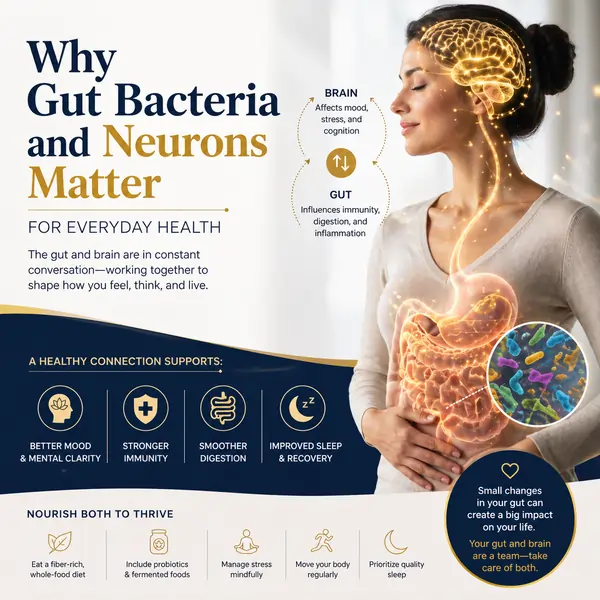
The big picture is this: your gut bacteria are part of your nervous system’s environment. Neurons in your gut constantly “listen” to the microbial chatter and send updates to your brain, where they can influence mood, focus, appetite, and stress. Supporting the microbiome is one of the most direct ways to support your brain from the bottom up.
You don’t need to become a microbiology expert to benefit from these surprising facts about gut bacteria. Small, consistent choices—more plants, some fermented foods, basic stress care, and less ultra-processed stuff—can gently reset the conversation between your gut and your brain. If you’re curious to go deeper or have ongoing symptoms, consider working with a healthcare professional who understands gut-brain interactions.
Useful Resources
Want to dig into the science behind the gut-brain axis and the microbiome?
- The gut microbiota and the brain (Nature Reviews Neuroscience)
- Harvard T.H. Chan School of Public Health – The Microbiome
Frequently Asked Questions About Gut Bacteria and Neurons
How do neurons actually sense gut bacteria ?
Neurons sense gut bacteria mainly through receptors that detect microbial metabolites and gut hormones. These receptors sit on nerve endings in the gut wall and on the vagus nerve, allowing neurons to respond when bacteria produce certain short-chain fatty acids, gases, or signaling molecules. The result is a constant flow of information from the gut environment to the brain.
Can gut bacteria really affect my mood?
Yes, research shows that changes in gut bacteria can influence mood, anxiety, and stress responses. Microbial metabolites can interact with gut neurons, immune cells, and hormones, which then send signals to brain regions involved in emotion. While they’re not the only factor, the microbiome is now considered an important piece of the mental health puzzle.
What are some signs that my gut-brain connection might be off?
Common clues include frequent bloating, abdominal discomfort, irregular bowel habits, and symptoms that flare with stress, like “nervous stomach.” You might also notice mood swings, brain fog, or feeling unusually drained after meals. These don’t prove a problem with the gut-brain axis, but they’re good reasons to look more closely at digestion, stress, and diet with a clinician.
How quickly can my gut bacteria change when I change my diet?
The composition of gut bacteria can begin to shift within 24 to 72 hours of a significant diet change, especially if you increase fiber or add fermented foods. That said, building a more stable, resilient microbiome usually takes weeks to months of consistent habits. Think of it more like gardening than flipping a switch.
Do probiotics help the gut-brain connection?
Some probiotic strains appear to influence mood and stress markers in small studies, suggesting they can interact with the gut-brain axis. However, effects are strain-specific, modest, and not a magic fix. For most people, focusing first on a fiber-rich, varied diet and stress management offers a more reliable foundation, with probiotics as a possible add-on if recommended by a professional.
Are prebiotics important for gut-brain health?
Prebiotics are types of fiber that selectively feed beneficial gut bacteria, helping them produce more helpful metabolites like short-chain fatty acids. These compounds can influence inflammation, gut barrier integrity, and nerve signaling, all of which matter for the gut-brain axis. You can get prebiotics from foods such as onions, garlic, leeks, asparagus, bananas, oats, and legumes.
Can antibiotics damage the gut-brain connection?
Antibiotics can significantly disrupt gut bacteria, sometimes reducing diversity and wiping out beneficial strains along with harmful ones. This can temporarily change the signals gut neurons receive and may affect digestion or mood in the short term. Most people’s microbiomes recover over time, especially with supportive diet and lifestyle, but repeated or long-term antibiotic use is a good reason to be extra kind to your gut.
Does stress directly change my gut bacteria ?
Yes, chronic stress can alter gut motility, blood flow, and mucus production, which indirectly reshapes the environment where gut bacteria live. Stress hormones and inflammatory signals can favor some microbial species over others, reducing diversity or encouraging more inflammatory profiles. That’s why stress management is often recommended as part of a gut health plan.
Are there specific foods that help support gut-brain communication?
Foods that support the gut-brain axis include high-fiber plants (vegetables, fruits, beans, whole grains), fermented foods with live cultures, and healthy fats like olive oil and omega-3-rich fish. These foods feed beneficial gut bacteria and provide building blocks for anti-inflammatory and nerve-supportive molecules. Limiting ultra-processed products, excess sugar, and heavy alcohol intake also helps keep gut signals more balanced.
Can improving my sleep help my gut bacteria and neurons?
Sleep and the microbiome influence each other. Poor or irregular sleep can disrupt hormones and immune function, which can in turn shift gut bacteria composition. In the other direction, a healthier microbiome tends to support more stable circadian rhythms and better sleep quality, so working on sleep hygiene is a quiet but powerful gut-brain tool.
Is there a best time of day to eat for gut-brain health?
While there’s no single perfect schedule for everyone, reasonably consistent meal timing helps your gut and nervous system anticipate digestion. Long eating windows late into the night may disrupt circadian rhythms and digestion for some people. Many find that finishing heavy meals a few hours before bedtime and keeping a regular routine supports both gut bacteria and sleep.
Can kids benefit from supporting their gut bacteria ?
Yes, childhood is a critical time when the microbiome and nervous system develop together. Offering kids a variety of plant foods, limiting ultra-processed snacks, encouraging outdoor play, and avoiding unnecessary antibiotics can help build a more resilient community of gut bacteria. A healthier early-life microbiome may support immune balance, digestion, and emotional regulation over the long term.
Do artificial sweeteners affect the gut-brain axis?
Some studies suggest certain artificial sweeteners can alter gut bacteria in ways that may affect metabolism and glucose handling, though findings are mixed and may vary by compound and individual. Because gut microbes talk to neurons involved in appetite and reward, shifts in the microbiome might indirectly influence cravings and energy regulation. Moderation and paying attention to how your body responds are sensible approaches.
Can I test my gut bacteria to understand my gut-brain health?
Commercial stool tests can give a snapshot of some of your gut bacteria, but they currently can’t provide a complete or perfectly accurate picture of gut-brain function. They may offer general patterns, like low diversity, but interpretation is still evolving and should be done cautiously. Your symptoms, lifestyle, and medical history are often just as important as lab results when it comes to understanding the gut-brain axis. For a related guide, see 12 Lifestyle Choices That Can Increase Colon Cancer Risk.
Does exercise really change gut bacteria ?
Regular physical activity has been linked to greater diversity and more beneficial species of gut bacteria in many studies. Exercise also improves blood flow, reduces stress, and supports better sleep, all of which indirectly benefit the microbiome and nervous system. You don’t need intense workouts; even walking, cycling, or gentle strength training can help.
Is the gut-brain connection involved in IBS?
Yes, irritable bowel syndrome (IBS) is often described as a disorder of gut-brain interaction. People with IBS may have changes in gut bacteria, altered gut motility, and heightened nerve sensitivity, along with stress and mood factors. Treatments often target multiple angles at once: diet, stress management, and sometimes medications or psychological therapies.
Can improving gut bacteria help with brain fog?
Brain fog can have many causes, but for some people, working on digestion, inflammation, and gut bacteria helps clear it up. A healthier microbiome can support more stable blood sugar, reduced inflammatory signaling, and better sleep—all of which affect mental clarity. If brain fog is severe or persistent, it’s still important to talk with a healthcare provider to rule out other causes.
Should I eliminate entire food groups for better gut-brain health?
Unless you have a diagnosed allergy or medical reason, cutting out whole food groups can sometimes reduce diversity in your gut bacteria and make eating more stressful. For many people, it’s more helpful to add supportive foods (fiber-rich plants, fermented foods) and reduce ultra-processed items than to go extremely restrictive. If you suspect a specific trigger, working with a registered dietitian or knowledgeable clinician is safer than guessing alone.
When should I see a doctor about gut-brain symptoms?
You should see a healthcare professional if you have ongoing abdominal pain, unexplained weight loss, blood in your stool, severe constipation or diarrhea, or significant changes in mood or energy that don’t improve. These can signal issues that go beyond everyday fluctuations in gut bacteria. A clinician can help rule out serious conditions, guide testing if needed, and create a plan that respects both gut and brain health.
What is Gut Bacteria ?
Gut Bacteria is covered in the guide above with practical context, useful examples, and details readers can use to make a better decision.