

Introduction
Healthcare systems around the world are facing a growing challenge: healthcare workforce shortages. Hospitals, clinics, and long-term care facilities increasingly struggle to recruit and retain enough doctors, nurses, technicians, and support staff to meet rising demand for medical services. As populations age and healthcare needs expand, the gap between available healthcare workers and patient demand continues to widen.
The World Health Organization and global health reports have warned that staffing shortages threaten healthcare access, patient safety, and system resilience. In some regions, hospitals operate with limited staff, leading to longer waiting times, reduced services, and increased burnout among healthcare professionals.
Understanding the causes, impacts, and possible solutions to healthcare workforce shortages is critical for governments, healthcare organizations, and policymakers seeking to build stronger and more sustainable healthcare systems.
What Are Healthcare Workforce Shortages?
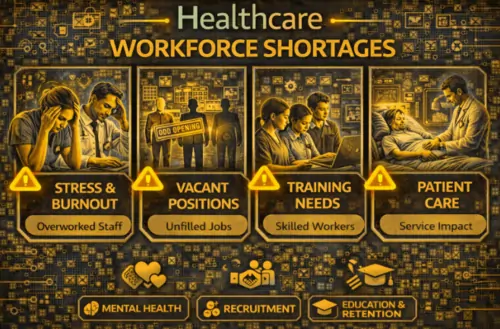
Healthcare workforce shortages occur when the number of trained healthcare professionals available is insufficient to meet patient care demands. This shortage can affect many roles within healthcare, including physicians, nurses, pharmacists, technicians, and allied health professionals.
In practical terms, shortages mean that hospitals may operate with fewer staff than needed, forcing existing workers to handle larger workloads. This can lead to reduced patient care quality, longer wait times, and increased stress for healthcare workers.
Globally, workforce shortages are especially pronounced in rural areas and low-income regions where healthcare professionals are harder to recruit and retain.
The Global Scale of Healthcare Workforce Shortages
Healthcare workforce shortages are a worldwide issue affecting both developed and developing countries. According to global estimates, the world faces a shortage of millions of healthcare workers, particularly nurses and physicians.
For example:
- The global nursing workforce reached about 29.8 million in 2023, yet significant shortages remain in many regions.
- The global healthcare workforce deficit could reach around 10 million workers by 2030, particularly in low- and middle-income countries.
- In the United States alone, more than 193,000 nursing job openings are projected each year through 2032 due to increasing demand and workforce turnover.
These figures highlight the scale of the problem and demonstrate why healthcare workforce shortages are often described as a global health crisis.
Major Causes of Healthcare Workforce Shortages
Several interconnected factors contribute to the growing shortage of healthcare workers.
Aging Population and Rising Demand
One of the main drivers of healthcare workforce shortages is the aging population. As people live longer, the demand for healthcare services increases. Older adults typically require more medical care, chronic disease management, and long-term support.
This growing demand places additional pressure on healthcare systems already struggling to maintain adequate staffing levels.
Workforce Burnout and Job Stress
Healthcare professionals often work long hours in high-stress environments. Burnout, emotional fatigue, and heavy workloads have pushed many healthcare workers to leave the profession or reduce their working hours.
Recent studies have shown that large numbers of nurses have left the workforce in recent years, and many more are considering leaving due to stress and workload challenges.
Education and Training Bottlenecks
Another major cause of healthcare workforce shortages is the limited capacity of medical and nursing schools. Training healthcare professionals requires significant time, resources, and clinical placements.
When educational programs cannot expand quickly enough, the number of newly trained professionals entering the workforce remains limited.
Geographic Distribution Problems
Healthcare professionals are often concentrated in urban areas, leaving rural and remote communities underserved. These geographic imbalances worsen shortages in regions where healthcare access is already limited.
Workforce Migration
International migration of healthcare workers can also contribute to shortages. Healthcare professionals often move from lower-income countries to higher-income nations seeking better pay and working conditions, leaving their home countries with fewer healthcare providers.
Impact of Healthcare Workforce Shortages
The consequences of healthcare workforce shortages extend far beyond hospital staffing levels. They affect patients, healthcare workers, and the overall healthcare system.
Reduced Patient Access to Care
When healthcare facilities do not have enough staff, patients may experience delays in receiving care. Appointments may take longer to schedule, emergency departments may become overcrowded, and some services may be temporarily suspended.
Declining Quality of Care
Insufficient staffing can lead to increased patient risks. Studies show that hospitals with inadequate nurse-to-patient ratios have higher rates of complications, mortality, and hospital readmissions.
Healthcare workers managing excessive patient loads may struggle to provide the level of attention each patient requires.
Increased Burnout Among Healthcare Workers
Healthcare workforce shortages create a cycle where existing workers face higher workloads and stress. This can lead to more burnout and further staff departures, worsening the shortage.
Rising Healthcare Costs
Hospitals and healthcare systems often rely on overtime pay, temporary staffing agencies, or travel nurses to fill workforce gaps. These solutions can significantly increase operational costs.
In some cases, hospitals spend billions of dollars annually on temporary staffing to maintain operations.
Healthcare Workforce Shortages in Current News
A report on the U.S. healthcare workforce crisis noted that three out of four clinicians feel unable to deliver the level of care they want due to staffing shortages, and about half of healthcare organizations have reduced services or capacity as a result.
Hospitals in other countries are also facing similar challenges. For example, emergency departments in Australia have reported overcrowding and staff shortages, with patients waiting many hours for treatment.
In addition, surveys of U.S. Veterans Health Administration facilities found that many hospitals struggle to recruit doctors, nurses, and psychologists, raising concerns about access to care for patients.
These examples show that workforce shortages are not limited to a single region but represent a widespread global issue.
Strategies to Address Healthcare Workforce Shortages
Although the problem is complex, several strategies may help reduce healthcare workforce shortages.
Expanding Education and Training
Increasing the capacity of medical schools, nursing programs, and healthcare training institutions can help produce more qualified professionals.
Scholarships, grants, and financial incentives may also encourage students to pursue careers in healthcare.
Improving Working Conditions
Better working conditions, manageable workloads, and mental health support can help retain healthcare workers and reduce burnout.
Providing career advancement opportunities and flexible schedules may also improve job satisfaction.
Using Technology to Support Healthcare Workers
Digital health technologies, telemedicine, and AI-powered tools can help healthcare workers manage tasks more efficiently. While technology cannot replace medical professionals, it can support them and reduce administrative burdens.
Strengthening Workforce Planning
Governments and healthcare organizations must invest in long-term workforce planning. This includes forecasting future healthcare needs, monitoring workforce trends, and developing policies to ensure sufficient staffing levels.
Encouraging Rural Healthcare Workforce Development
Programs that offer incentives for healthcare professionals to work in rural areas can help address geographic disparities in workforce distribution.
The Future of the Healthcare Workforce
Addressing healthcare workforce shortages will require coordinated efforts from governments, healthcare institutions, educational organizations, and policymakers. Without action, healthcare systems may struggle to keep up with growing demand for medical services.
However, with strategic investments in training, technology, and workforce support, it is possible to strengthen healthcare systems and build a more resilient global health workforce.
Ultimately, ensuring an adequate healthcare workforce is essential not only for patient care but also for public health, economic stability, and the ability to respond to future health crises.
FAQ
What are healthcare workforce shortages?
Healthcare workforce shortages occur when there are not enough trained healthcare professionals to meet the demand for medical services.
Why are healthcare workforce shortages increasing?
Shortages are increasing due to factors such as aging populations, worker burnout, limited training capacity, and uneven distribution of healthcare professionals.
How do workforce shortages affect patients?
Patients may experience longer wait times, reduced access to services, and potentially lower quality care when healthcare facilities lack sufficient staff.
Are healthcare workforce shortages a global issue?
Yes. Many countries face shortages of nurses, doctors, and other healthcare professionals, particularly in rural areas and developing regions.
What solutions can address healthcare workforce shortages?
Solutions include expanding education programs, improving working conditions, strengthening workforce planning, and using technology to support healthcare professionals.