

Paul Guerra Key Takeaways
The abrupt departure of Paul Guerra as Demons CEO after just seven months has triggered scrutiny of the club’s leadership, governance, and risk management.
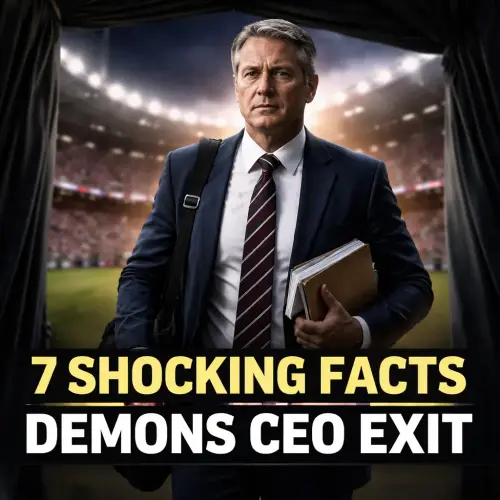
What Readers Should Know About Paul Guerra and the Demons CEO Exit
The departure of Paul Guerra as chief executive of the Demons after only seven months is more than a routine leadership change. It is a case study in how high-performance sports organisations manage executive appointments, handle board tensions, and navigate legal risk when a relationship breaks down.
While some details remain confidential, the core facts are clear: expectations set at the time of his appointment were not matched by the reality that followed, and the outcome is a forced exit now overshadowed by the prospect of a Paul Guerra contract dispute. For stakeholders, sponsors, members, and other sports executives, the situation offers important signals about governance, communication, and crisis management.
Background on Paul Guerra: From Appointment to Rising Expectations
When the Demons board unveiled Paul Guerra as CEO, the move was framed as a strategic coup. Guerra arrived with a reputation for disciplined commercial thinking, stakeholder engagement, and experience across corporate and member-based organisations. The club positioned him as a modernising leader who could steer the Demons through the next phase of growth on and off the field.
His appointment was accompanied by a clear narrative: stabilise operations, strengthen financial performance, deepen fan and member engagement, and support football operations with better structures and resourcing. Public statements at the time suggested long-term planning, not a short-term experiment, which makes the Demons CEO exit after seven months particularly jarring.
Why the Demons Turned to Paul Guerra
Clubs typically seek a CEO like Paul Guerra when they want to professionalise their front office and convert on-field success into sustainable commercial strength. Guerra’s background in leadership, governance, and stakeholder management made him an attractive candidate to:
- Drive sponsorship growth and diversify revenue streams.
- Tighten governance and reporting frameworks.
- Improve communication between the board, football department, and members.
- Champion culture and welfare initiatives within the organisation.
Those strategic goals meant Guerra was judged not only on pure financials, but also on his ability to align people and processes around a consistent vision.
Initial Signals and Early Board Expectations
In the opening months of his tenure, Paul Guerra undertook the standard CEO reset: internal listening tours, early structural tweaks, and reviews of commercial partnerships and community programs. The board expectations, however, appear to have been both ambitious and compressed into a short time frame.
Board and executive sources in similar cases often describe tension points such as pace of change, communication style, and differing views on priorities. When those tensions are not resolved, they can fuel pressure for a swift exit, which is exactly what observers now see in this case.
How Paul Guerra Went from Demons CEO to Being Sacked in Seven Months
The phrase Paul Guerra Demons CEO sacked caught many by surprise, not least because his tenure was measured in months rather than seasons. While internal deliberations remain behind closed doors, the broad contours of the timeline help explain how the situation escalated.
Timeline of Events Leading to the Exit
Although precise dates are confidential, a reasonable reconstruction of the seven-month arc looks like this:
- Month 1–2: Transition and assessment period. Guerra meets key staff, reviews strategy, and begins refining reporting lines.
- Month 3–4: Implementation of early changes. Some staff and stakeholders welcome the new direction; others resist shifts in culture and accountability.
- Month 5: Friction emerges more visibly. Differences around communication, decision-making speed, and budget allocations begin surfacing at board level.
- Month 6: Formal performance and alignment concerns are raised. Legal and HR frameworks start to shape the internal discussion.
- Month 7: The board opts for termination, triggering the public narrative that the Demons CEO exit after seven months was unavoidable.
In modern sports organisations, this type of compressed timeline typically indicates a serious breakdown in trust or alignment, rather than routine performance review findings.
Board Concerns and Performance Issues
Every CEO contract includes performance expectations, and the case of Paul Guerra is no different. The board is believed to have weighed a mix of factors, including:
- Perceived misalignment with the club’s strategic direction or culture.
- Communication or relationship issues with directors, senior staff, or key partners.
- Disagreements over pace and scope of organisational change.
- Concerns over reputational risk if internal disagreements spilled into public view.
When a board formally concludes that its CEO is not the right fit, it typically has two pathways: a negotiated, low-profile exit, or a more abrupt termination. The emergence of the phrase Paul Guerra Demons CEO sacked suggests the latter, and helps explain why a Paul Guerra legal fight is now on the horizon.
Internal Communication and Stakeholder Reaction
Staff, members, and sponsors often first learn of such decisions through a brief statement citing “mutual agreement” or “strategic differences.” In this instance, the rapid shift from high-profile appointment to sudden departure has reportedly unsettled some stakeholders who expected stability at the top.
For any club, the perception of churn at CEO level can damage sponsor confidence and make it harder to attract top executive talent. That reality adds weight to the decision to move on from Paul Guerra so quickly.
Inside the Paul Guerra Legal Fight and Contract Dispute
Whenever a CEO is removed mid-contract, the legal and financial consequences can be significant. The looming Paul Guerra legal fight appears to centre on how the contract was terminated, what was promised, and how the process was handled.
Common Legal Angles in CEO Sackings
While each case turns on its specific contract wording and facts, disputes like the Paul Guerra contract dispute usually revolve around several key legal questions:
- Was there valid cause? If a club alleges “serious misconduct” or a serious breach, it may try to terminate without paying out the full contract. The executive often challenges that characterisation.
- Was due process followed? Courts and tribunals look at whether performance concerns were clearly raised, documented, and accompanied by an opportunity to respond.
- What is the reputational impact? High-profile sackings can damage a leader’s career. Claims may include reputational harm if public commentary goes beyond what can be substantiated.
- What is owed under the contract? Termination clauses, notice periods, bonuses, and confidentiality terms all come into play.
Former executives usually pursue negotiated settlements rather than long trials, but even settlement discussions can take months and play out against a backdrop of media speculation.
Possible Positions of Paul Guerra and the Demons
Although neither side is likely to reveal their full legal strategy publicly, we can outline the types of positions that may surface in a Paul Guerra legal fight:
- Club perspective: Emphasis on the board’s responsibility to act in the best interests of the club, asserting that the decision was necessary for governance, culture, or strategic reasons, and that the termination complied with contractual rights.
- Guerra’s perspective: Focus on whether expectations were realistic, whether concerns were communicated in a timely and fair way, and whether public framing of Paul Guerra Demons CEO sacked has harmed his reputation and future earning potential.
In many sports-industry disputes, the parties move quietly towards a confidential settlement that includes a payout, non-disparagement terms, and careful wording of any public statement.
Contract Clauses Likely Under the Microscope
Executive contracts in professional sport are typically sophisticated documents. In a case like this, lawyers are likely to be combing through clauses that cover:
- Performance metrics and review cycles.
- Termination for cause versus termination without cause.
- Notice requirements and garden-leave provisions.
- Confidentiality, non-disparagement, and media comment.
- Bonuses, incentives, and whether any are forfeited on exit.
How these clauses interact with the actual sequence of events will heavily influence any settlement outcome for Paul Guerra.
What the Paul Guerra Exit Means for the Demons and the Wider Sports Business
The Demons CEO exit after seven months is not just about one club and one executive. It is a signal to the whole sports-business ecosystem about governance expectations, risk appetite, and the importance of cultural alignment at the top.
Impact on the Demons Organisation
In the short term, the club must manage three key challenges at once: stabilising operations, reassuring stakeholders, and handling the legal and reputational aspects of the Paul Guerra legal fight. An interim or new CEO will have to win trust quickly while working under the shadow of an unresolved dispute.
Longer term, the board will likely review its recruitment process, expectations setting, and induction support for future CEOs to reduce the risk of another rapid departure. This may include clearer performance roadmaps, improved feedback channels, and stronger conflict-resolution mechanisms.
Signals for Sponsors, Members, and Staff
Sponsors and corporate partners generally value predictability and professionalism. Highly publicised leadership turmoil can prompt some partners to seek additional assurances or revisit contract protections. Members, meanwhile, may start asking whether board dynamics are contributing to instability at the executive level.
For staff, the sacking of Paul Guerra can be unsettling, particularly if it follows attempts at cultural or structural reform. Clear internal communication from the board and interim leadership becomes essential to prevent uncertainty from undermining morale.
Lessons for Governance Across Sport and Business
From a broader governance standpoint, the case underscores several lessons relevant to boards in any high-performance environment:
- The need to align expectations with realistic time frames for culture and structural change.
- The importance of regular, candid board–CEO communication rather than episodic interventions.
- The value of independent advice early, before differences harden into disputes.
- The reputational and financial cost of mismanaging executive transitions.
Similar high-profile CEO exits in sport have prompted organisations to adopt stronger governance frameworks and clearer role definitions, trends that are likely to continue.
Next Steps for Paul Guerra and the Club: What Comes After the Exit
With the Paul Guerra contract dispute likely to move through legal and negotiation channels, both parties now face choices that will shape their reputations and futures. For a related guide, see NBA Playoffs 2026: Schedule, Matchups and Key Predictions Revealed.
Potential Pathways for Settlement or Litigation
Realistically, the dispute may follow one of three broad paths:
- Quiet settlement: The most common outcome. A confidential financial settlement, agreed wording, and non-disparagement clauses allow both sides to move on.
- Formal legal proceedings: If talks stall, the matter could proceed to court or tribunal, with documents and arguments becoming part of the public record.
- Extended stalemate: Protracted negotiations without quick resolution, which can prolong media scrutiny and uncertainty.
From a risk-management perspective, a carefully negotiated settlement is usually in the best interests of both the club and Paul Guerra.
Implications for Paul Guerra’s Career
Although the headline “Paul Guerra Demons CEO sacked” is damaging in the short term, many executives rebuild their careers after high-profile exits, particularly when they can point to broader structural or cultural issues behind the scenes. Future roles may be in adjacent industries, advisory positions, or governance roles where his experience navigating this dispute becomes part of his professional story.
Key to that rehabilitation will be how the dispute is resolved, how balanced the public narrative becomes, and how clearly Guerra can articulate his leadership philosophy in future roles.
Forward-Looking Analysis: How This Story May Shape the Industry
The handling of the Demons CEO exit after seven months will be watched closely by other clubs, leagues, and corporate partners. If the case results in clearer governance standards, stronger executive contracts, and more transparent board–CEO relationships, it could have a constructive legacy despite the short-term turmoil. For a related guide, see Melbourne Football Club: Best 7 Latest News, Updates, and.
For now, the sacking of Paul Guerra stands as a reminder that even marquee appointments can unravel quickly when expectations, culture, and governance are not fully aligned. How both parties navigate the legal and reputational fallout will determine whether this becomes a cautionary tale or a catalyst for better practice across the sports-business landscape.
Useful Resources
For readers looking to understand broader best practice in governance and executive employment in sport, these independent resources provide useful context:
- Sport Australia – Governance and Leadership Resources
- Fair Work Ombudsman – Employment Contracts and Termination Basics
Frequently Asked Questions About Paul Guerra
Why was Paul Guerra sacked as Demons CEO after only seven months?
The early removal of Paul Guerra as Demons CEO appears to stem from a breakdown in alignment between him and the board on strategy, culture, and performance expectations within a very compressed time frame, leading the club to exercise its termination rights under his contract.
Is there an official reason given for Paul Guerra ’s exit from the Demons?
Publicly, clubs typically cite broad terms such as strategic differences, a change in direction, or mutual agreement; in Paul Guerra’s case, the language of sacking suggests the club considered the relationship no longer tenable, though detailed reasons remain confidential.
What is meant by the Paul Guerra legal fight ?
The phrase Paul Guerra legal fight refers to the expected legal and contractual dispute between Guerra and the club over how his employment was terminated, what payments or entitlements are owed, and whether any reputational damage has been caused by the way the exit was handled.
What issues usually arise in a Paul Guerra contract dispute ?
Typical issues in a contract dispute of this kind include whether the club had valid grounds to terminate for cause, whether proper performance processes were followed, how much of the remaining contract value is owed, and whether public commentary has unfairly harmed the executive’s reputation.
Could the Demons have handled Paul Guerra ’s exit differently?
In theory, the club could have pursued a more gradual performance-management process, a negotiated transition, or a lower-profile resignation arrangement, but it appears to have concluded that a swift break was necessary, despite the reputational risks.
What happens next in the Paul Guerra legal process?
The next steps are likely to involve confidential correspondence between lawyers, possible mediation, and negotiations over settlement terms, with formal court or tribunal proceedings only becoming necessary if the parties cannot reach agreement.
How common are CEO sackings like Paul Guerra ’s in professional sport?
Rapid CEO exits are not unheard of in professional sport, where pressure is intense and stakeholders expect quick results; however, a tenure as short as seven months is still relatively rare and usually indicates serious underlying tensions.
Will the details of Paul Guerra ’s settlement with the Demons be made public?
Most executive settlements are confidential and include non-disclosure clauses, so while broad outcomes may be reported, the specific financial terms and concessions in any agreement with Paul Guerra are unlikely to be fully disclosed.
Can the Demons board be held accountable for how Paul Guerra ’s exit was handled?
Boards are accountable to members, regulators, and in some cases leagues, and while they have broad discretion in hiring and firing executives, they can face scrutiny over governance standards, process fairness, and the financial cost of decisions like terminating a CEO early.
What protections do executives like Paul Guerra usually have in their contracts?
Senior executives typically have detailed contracts that include notice periods, payout formulas for termination without cause, performance-based incentives, confidentiality provisions, and sometimes restraints of trade, all designed to provide security and clarity if the relationship ends.
How might the saga affect future CEO recruitment at the Demons?
Prospective CEOs are likely to ask tougher questions about board dynamics, expectations, and decision-making culture at the Demons, and may push for stronger contractual protections or clearer performance frameworks before accepting a role.
Will the Paul Guerra situation impact sponsor confidence in the club?
Some sponsors may view the turmoil with concern and seek reassurance about stability and governance, though strong on-field performance, proactive communication, and a credible new CEO appointment can help restore confidence over time.
Could Paul Guerra work again as a CEO in professional sport?
Yes, many executives return to senior roles after high-profile exits, especially if industry peers view the departure as driven by structural or cultural issues rather than personal misconduct, and if Guerra manages the legal and media aspects thoughtfully.
What lessons can other clubs learn from the Paul Guerra Demons CEO sacked story?
Other clubs can learn the importance of aligning expectations upfront, supporting new CEOs through structured onboarding, addressing cultural clashes early, and considering reputational and legal consequences before moving to a rapid termination.
How does a Demons CEO exit after seven months affect internal culture?
A sudden CEO exit can create uncertainty, fuel speculation, and undermine confidence in leadership, so it is critical for the board and interim management to communicate clearly about direction and values to maintain a stable workplace culture.
Are members entitled to see the details of Paul Guerra ’s contract?
Generally, individual employment contracts for executives remain confidential, and while members may seek transparency around governance and financial impact, they will not usually be given access to the full contract document.
What role do independent advisers play in disputes like Paul Guerra ’s?
Independent legal and governance advisers help both boards and executives assess risk, interpret contract clauses, design negotiation strategies, and sometimes mediate, aiming to resolve disputes efficiently while protecting reputations.
Could mediation resolve the Paul Guerra legal fight without going to court?
Yes, mediation is a common tool in executive disputes, providing a confidential setting for both sides to explore settlement options with the help of an impartial facilitator, often avoiding the cost and publicity of litigation.
How might the Paul Guerra case influence future CEO contracts in sport?
The case is likely to prompt clubs and executives to refine termination clauses, clarify performance processes, tighten confidentiality and non-disparagement provisions, and ensure clearer alignment on cultural and strategic expectations before signing.
What should fans focus on while the Paul Guerra dispute unfolds?
Fans can reasonably expect the club to manage the matter professionally while concentrating on on-field performance, and they may wish to monitor official communications, annual reports, and member forums for signals about governance improvements and long-term strategy.