

Cost of Living Crisis Key Takeaways
The cost of living crisis is a global economic squeeze where everyday essentials like food, energy, and housing are rising faster than incomes. It’s forcing households to make difficult choices and fundamentally rethink their financial habits. Understanding its roots and implementing practical strategies is crucial for navigating this challenging period.
- The cost of living crisis is driven by a complex mix of inflation, supply chain issues, and geopolitical events.
- Proactive budgeting tips during inflation can help you regain control and stretch your income further.
- Seeking support and advocating for change are important steps beyond personal finance management.
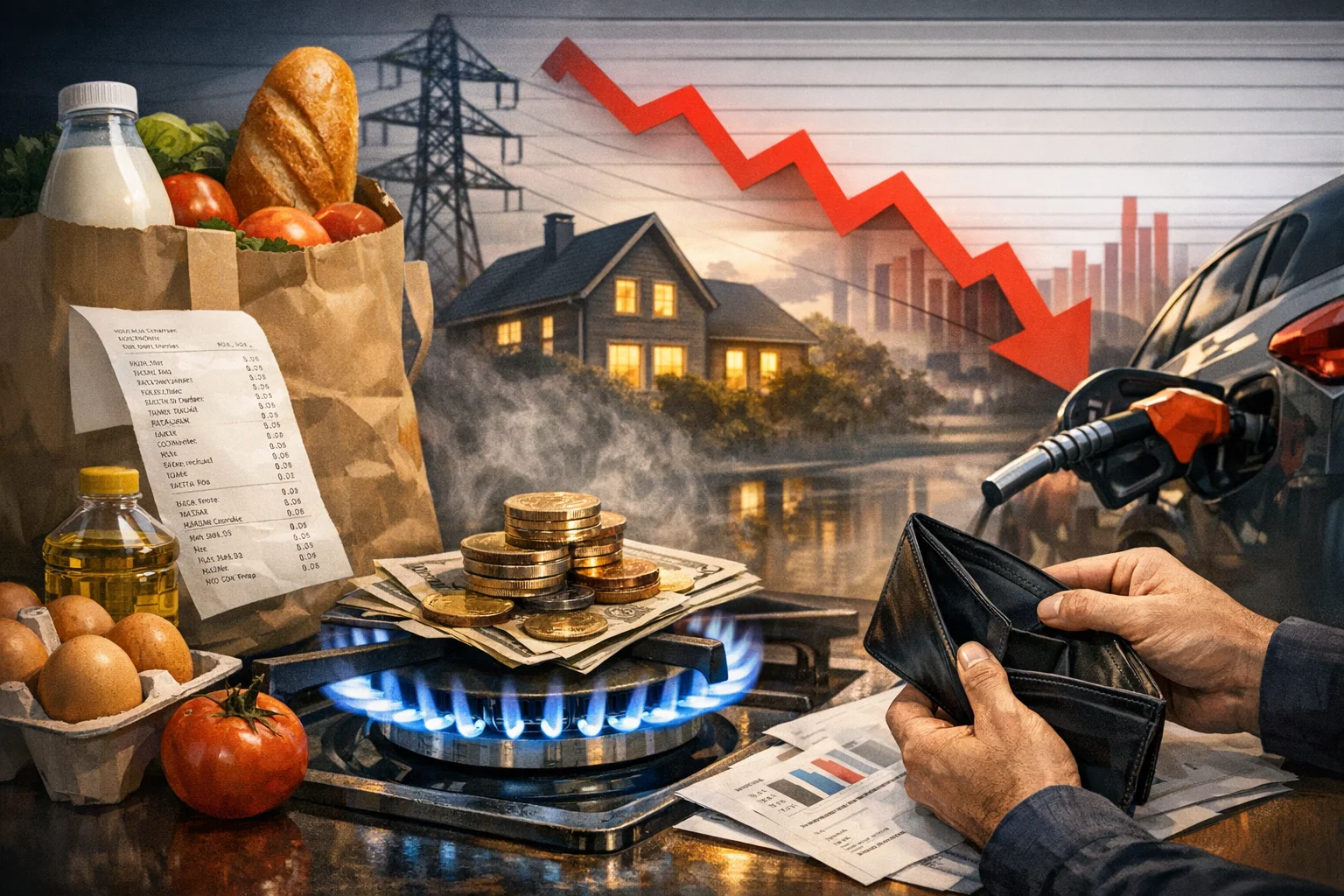
You feel it at the grocery checkout, when the heating bill arrives, and every time you fill up your car. The numbers keep climbing, but your paycheck seems to stay the same. This isn’t just personal financial stress; it’s a widespread economic phenomenon affecting millions. The cost of living crisis has moved from headline news to kitchen-table reality, creating a palpable sense of anxiety for families and individuals. But what exactly is it, why is it happening, and most importantly, what can you do about it? Let’s break it down.
Understanding the Roots of the Cost of Living Crisis
This isn’t a simple problem with a single cause. Think of it as a perfect storm where several economic forces collided. The aftermath of the global pandemic created massive disruptions. Factories shut down, shipping lanes clogged, and when demand roared back, supply simply couldn’t keep up. This supply-demand imbalance is a core driver of inflation, where too much money chases too few goods, pushing prices up.
Geopolitical conflicts have further strained global energy and food markets, sending the prices of fuel, fertilizer, and wheat soaring. These increases ripple through the entire economy, making transportation, manufacturing, and basic groceries more expensive. Meanwhile, housing costs in many areas have continued their relentless climb, often consuming a disproportionate share of monthly income. Together, these factors create a powerful squeeze where the essentials of life become significantly less affordable.
Practical Budgeting Tips During Inflation
When prices are volatile, a static budget won’t work. You need a dynamic, responsive plan. The first step is forensic tracking. For one month, write down every single expense, no matter how small. You’ll likely find “leakage”—small, recurring subscriptions or impulse buys that add up. This awareness is your most powerful tool.
Next, categorize your spending into needs (housing, utilities, groceries, debt), wants (dining out, entertainment), and savings/debt repayment. During a cost of living squeeze, the goal is to protect the “needs,” ruthlessly audit the “wants,” and maintain the “savings” even if it’s a smaller amount. Consider the “50/30/20” rule a flexible guideline, not a rigid law; you may need a “60/20/20” or “70/20/10” split to survive this period. Read also: Danny Isaac Descon Adcon Tax Debt Case: What We Know So Far.
Rethink Your Grocery and Utility Spending
Groceries are often the most flexible part of a “need” category. Switch to store-brand products, plan meals around weekly sales flyers, and embrace batch cooking to reduce waste and reliance on expensive convenience foods. For utilities, small behavioral changes yield results. Lowering your thermostat by a degree or two, using cold water for laundry, and unplugging “vampire” electronics can shave meaningful amounts off your bills.
Audit Your Subscriptions and Recurring Bills
This is where your tracking pays off. Do you use all four streaming services? Can you negotiate your internet or mobile phone bill by mentioning competitor offers? Call service providers and simply ask, “What can you do to lower my bill today?” You’d be surprised how often this works. Every dollar saved here is a dollar that stays in your pocket.
Beyond the Budget: Building Financial Resilience
Budgeting manages the outflow, but resilience is about strengthening your position. If possible, focus on building even a small emergency fund—a “buffer” of one month’s expenses can prevent a car repair from becoming a debt crisis. Also, review your debt. High-interest credit card debt becomes even more punishing during inflation. Explore options like balance transfer cards with introductory 0% APR offers or consult a non-profit credit counseling service for a structured plan.
Look for ways to generate supplemental income. The gig economy, from freelance work to ride-sharing, can provide a crucial lifeline. Selling unused items online is another way to create a quick cash infusion. The goal is to create multiple streams, however small, to better withstand the pressure of rising cost of living.
Real-Life Impact and the Path Forward
The data tells a stark story. Reports from organizations like the UK Office for National Statistics show inflation rates hitting multi-decade highs, with food and energy being primary drivers. But behind the statistics are real people: parents skipping meals to feed their children, seniors choosing between medication and heating, and young adults delaying major life milestones because saving feels impossible. Read also: Finance.
This crisis requires action on both personal and societal levels. While we manage our own households, it’s also important to support community food banks, advocate for policies that address housing affordability and energy costs, and know where to turn for help. You are not alone in this struggle.
Useful Resources
For creating and managing a detailed budget, tools like Mint or You Need A Budget (YNAB) can be incredibly helpful. For free, confidential credit counseling and debt management advice, the National Foundation for Credit Counseling (NFCC) is a reputable non-profit resource.
Navigating the Cost of Living Crisis in Your Community
While personal budgeting is crucial, the cost of living crisis is a community-wide challenge. Understanding local resources and collective strategies can provide additional support and resilience during these tough economic times.
Leveraging Local Support Networks
Many communities have established mutual aid networks, food co-ops, or tool libraries. These initiatives operate on sharing and cooperation, reducing individual expenses on everything from groceries to household equipment. A quick online search for “[Your Town] mutual aid” can often connect you with these valuable, often under-publicized resources.
Advocating for Systemic Change
While managing day-to-day expenses, it’s also powerful to understand the policy levers that can address the root causes of the cost of living crisis. This can include supporting local initiatives for affordable housing, accessible public transit, or living wage ordinances. Engaging with community boards or tenant associations are practical ways to contribute to longer-term solutions.
Top 5 Long-Term Financial Strategies for a Cost of Living Crisis
Beyond immediate budgeting, building long-term financial resilience is key to weathering ongoing economic pressure. These strategies focus on fortifying your financial foundation.
- Audit and Renegotiate Recurring Bills — Set aside an hour to review subscriptions, insurance policies, and utility providers. You may be surprised at what you can renegotiate or switch to a better rate, locking in savings that compound month after month.
- Build a “Buffer Fund” Beyond Your Emergency Fund — While a 3-6 month emergency fund is standard advice, consider a smaller, separate fund for inflation-specific shocks, like a sudden jump in energy prices. This prevents you from dipping into your core emergency savings for cost-of-living increases.
- Invest in Home Energy Efficiency — Even small, low-cost upgrades like draft stoppers, LED bulbs, or a smart thermostat can reduce utility bills permanently. This turns a one-time cost into ongoing monthly savings, directly countering energy inflation.
- Focus on Debt Avalanche Method — If you have high-interest debt (like credit cards), use the “avalanche” method: pay minimums on all debts, but put any extra money toward the debt with the highest interest rate first. This mathematically saves you the most money on interest payments over time.
- Upskill for Earning Potential — Allocate time or a small budget to learning high-value skills relevant to your field or a side hustle. Free or low-cost online courses can enhance your resume and position you for better income opportunities, which is the most powerful antidote to rising costs.
Comparing Cost-Cutting Approaches for Different Lifestyles
Not every saving strategy fits every situation. This table compares common approaches to help you identify the most effective tactics for your specific circumstances during the cost of living crisis.
| Strategy | Best For | Potential Drawback |
|---|---|---|
| Aggressive Meal Planning & Bulk Cooking | Families, households with multiple people; maximizes grocery budget and reduces food waste. | Requires significant upfront time investment and freezer/pantry space. |
| “No-Spend” Challenges (e.g., a month on non-essentials) | Individuals or couples looking to reset spending habits and build savings quickly. | Can feel restrictive and may not be sustainable as a permanent lifestyle. |
| Downsizing Housing or Vehicle | Those with high fixed costs; can result in massive, recurring monthly savings. | Involves major life changes, transaction costs, and potential lifestyle compromises. |
| Adopting a Minimalist Consumption Mindset | Anyone seeking long-term change; focuses on reducing wants and valuing experiences over goods. | Cultural and social pressure to consume can make this psychologically challenging. |
Frequently Asked Questions About the Cost of Living Crisis
What exactly is the cost of living crisis?
The cost of living crisis refers to a period where the prices of essential goods and services (like food, energy, housing, and transportation) rise significantly faster than average household incomes, leading to a decline in real-terms disposable income and living standards.
What is the main cause of the current crisis?
There is no single cause. It’s a combination of high global inflation post-pandemic, ongoing supply chain disruptions, geopolitical events affecting energy and food prices, and rising housing costs, all converging to squeeze household budgets.
How does inflation differ from the cost of living crisis?
Inflation is the rate at which prices increase across the economy. The cost of living crisis is the real-world *impact* of that inflation, particularly when it heavily affects essential items and wages fail to keep pace, causing a tangible reduction in purchasing power and financial security.
What are the most effective budgeting tips during inflation?
Track every expense to find leaks, prioritize needs over wants, switch to generic brands, meal plan based on sales, negotiate recurring bills, and build even a small emergency fund to avoid high-interest debt for unexpected costs.
Should I stop saving money during a cost of living squeeze?
No. Even a small, consistent amount saved is crucial. It builds financial resilience and prevents minor emergencies from becoming major debts. Prioritize it, even if you can only manage a few dollars a week.
How can I save money on rising energy bills?
Conduct an energy audit: use smart power strips, switch to LED bulbs, lower your water heater temperature, seal drafts around windows/doors, and adjust your thermostat by a few degrees. Small behavioral changes collectively make a big difference.
Is it a good time to ask for a raise due to the cost of living?
Yes, if approached professionally. Frame your request around the value you bring and market-rate compensation, but you can mention that rising costs have impacted your financial situation. Come prepared with data on your achievements and industry salary benchmarks.
How can I reduce my grocery bill without sacrificing nutrition?
Focus on plant-based proteins like beans and lentils, buy frozen fruits and vegetables (often more nutritious and cheaper), purchase in-season produce, use loyalty cards for discounts, and avoid shopping when hungry to curb impulse buys.
What should I do if I can’t afford my essential bills?
Contact your creditors and service providers immediately. Many have hardship programs. Also, reach out to local social services, community action agencies, or non-profits for assistance with utilities, food, or housing. Asking for help is a sign of strength.
Will the cost of living crisis lead to a recession?
Economists debate this. High inflation often leads central banks to raise interest rates to cool the economy, which can slow growth and increase the risk of a recession. The connection is complex and varies by country and policy response.
How long is this cost of living crisis expected to last?
Predictions vary. While the peak of inflation may pass, prices rarely fall back to previous levels (a phenomenon called “price stickiness”). The focus is likely shifting from rapid price increases to a prolonged period of high costs that outpace wage growth.
What government help is available during this crisis?
This depends entirely on your country and local jurisdiction. Common forms of support include energy bill rebates, targeted benefits for low-income households, tax credits, and food assistance programs. Check your local government and social service websites for specific programs.
Is it wise to take on more debt right now?
Generally, it is risky due to rising interest rates. Avoid new high-interest consumer debt (like credit cards) for discretionary spending. If debt is necessary for an essential like a car repair, explore the lowest-interest options possible and have a clear repayment plan.
How does the crisis affect retirement savings?
Inflation erodes the future purchasing power of saved money. It may tempt people to reduce or pause contributions, but staying invested (especially in diversified portfolios) is historically the best defense against inflation over the long term. Consult a financial advisor for personalized advice.
Can investing help combat the cost of living crisis?
Over the long term, yes. Assets like stocks and real estate have historically outpaced inflation. However, investing involves risk and is not a short-term solution for immediate budget shortfalls. It should be part of a broader financial plan, not a reactive gamble.
What’s the difference between being frugal and being cheap?
Frugality is about maximizing value and eliminating waste—spending wisely on what matters. Being cheap is minimizing cost at the expense of quality, ethics, or relationships. During a crisis, aim for frugality: buy quality items that last, not the cheapest that will quickly break.
How can I talk to my family about our financial situation?
Be open, honest, and solution-focused. Frame it as “we’re a team navigating a challenge.” Involve older children in age-appropriate ways, like planning budget-friendly family activities. The goal is to reduce anxiety through shared understanding and a plan.
Are there any mental health impacts of the cost of living crisis?
Absolutely. Constant financial stress can lead to anxiety, depression, sleep problems, and relationship strain. It’s vital to recognize this, practice stress-management techniques, and seek support from friends, family, or professional counselors. Your mental well-being is paramount.
What is “shrinkflation” and how does it affect me?
Shrinkflation is when manufacturers reduce the size or quantity of a product while keeping the price the same (or even raising it). It’s a hidden form of inflation. You pay the same for less, so checking unit prices (e.g., price per ounce) is more important than ever.
Should I consider a side hustle or gig work?
If your schedule allows, a side hustle can be an excellent way to create a financial buffer. Consider your skills—freelance writing, tutoring, pet sitting, or selling crafts online. The key is to find something sustainable that doesn’t lead to burnout.