

Jeff Probst Key Takeaways
If you’ve ever yelled at the TV during Jeff Probst ’s tribal councils, these behind-the-scenes secrets will change how you watch Survivor from Australia.
- Learn how Jeff Probst and the crew design, test, and tweak challenges long before Aussie viewers see them.
- Understand what really happens at tribal council and why it feels so intense, even through a screen in Sydney or Perth.
- See how Australian time zones, streaming, and fan culture shape the way locals follow and dissect every season.
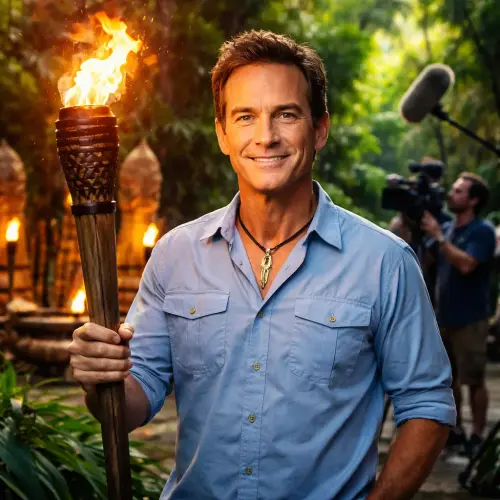
Why Jeff Probst’s Survivor secrets hit different for Australian fans
Australians have stuck with Survivor for more than two decades, from the early days on late-night TV to streaming binges on laptops and tablets. For many Survivor Australia fans, the show is comfort viewing and water-cooler chat rolled into one. So when Jeff Probst behind the scenes stories surface, Aussie viewers listen – because they explain why the game feels so brutal, clever, and addictive.
Unlike some local reality formats that lean heavily into drama and confessionals, Survivor lives and dies on gameplay, editing, and those iconic Jeff Probst moments. Hearing him lift the lid on production gives Australians a new way to appreciate every blindside, every hidden idol, and every raised eyebrow at tribal council.
Jeff Probst behind the scenes: how Survivor is really produced
When you picture shooting Survivor, you might imagine a small camera crew jogging behind contestants on a random island. In reality, as Survivor secrets Jeff Probst interviews have explained, it’s a huge, disciplined film set disguised as chaos.
The island is basically a travelling village
Each season, hundreds of crew members fly in, build sets, and transform locations in places like Fiji into a temporary production village. While contestants rough it, the crew works military-style shifts so they don’t miss a single whisper that could change the game. Australians used to polished formats like MasterChef Australia or The Block might be surprised how raw the conditions can be for the cast, even with a massive crew nearby. For a related guide, see If Wishes Could Kill: Release Schedule, Plot, Cast and Where.
Jeff Probst is more than just the host
Most Aussie reality shows have a host who pops in, reads a script, and ducks out. By contrast, Jeff Probst is also an executive producer and a key creative driver. He’s in story meetings, talks through twists with the game design team, and helps shape the season theme before anyone sets foot on the beach.
In several Jeff Probst interview Australia segments and global press chats, he’s described sitting in the edit bay, debating which strategic conversations to emphasise so the audience understands the winning game without spoiling surprises. That’s why the narrative often feels so tight compared to some other reality franchises.
How the story is built from thousands of hours of footage
Each episode is a needle pulled from a haystack of footage. Cameras are everywhere: on boats, in the jungle, at camp, and in the sky. Editors then comb through these clips, looking for recurring alliances, grudges, strategy threads, and emotional beats to craft a coherent story.
For Australian viewers used to live or near-live formats like Big Brother Australia (in its earlier seasons), it can be surprising how much Survivor is built in the edit suite while still staying true to what happened. According to Survivor behind the scenes commentary, the rule is simple: you can compress time, but you can’t fake game moves. For a related guide, see Zoë Kravitz: 7 Stunning Facts About Harry Styles Buzz.
How Jeff Probst and the team design and test those brutal challenges
One of the biggest shocks for people who learn about Survivor behind the scenes is just how thoroughly every challenge is tested before a single contestant touches it.
Every challenge is stress-tested by the crew
In multiple interviews, Jeff Probst has described “Dream Team” rehearsals: a group of athletic crew members who run each challenge again and again. They time it, tweak obstacles, and even simulate worst-case scenarios so the safety team knows what to watch for.
This is why most challenges feel tightly calibrated – unlike the occasional chaotic game on some Aussie reality shows where rules change on the fly. The aim is to blend physical, mental, and strategic elements so that any type of player could, in theory, win.
Balancing epic TV with player safety
Challenges often look dangerous from the couch in Brisbane, but there are medics, safety divers, and risk assessments behind every stunt. After a few high-profile injuries across reality TV globally, modern Survivor has become even stricter about heat, dehydration, and impact risks.
As official CBS Survivor features have outlined, challenges are designed to push limits but not cross them. If conditions are too extreme – think wild storms or dangerous tides – production will delay or rework the game, even if it complicates the schedule.
Why Australians love the puzzle and endurance focus
Many Survivor Australia fans say they love that even the fittest player can be humbled by a puzzle or balance task. It feels closer to the Aussie ethos of grit and smarts beating pure muscle. Survivor secrets Jeff Probst interviews often mention deliberately adding puzzle stages at the end, so leads can vanish in seconds and alliances are tested under pressure.
| Challenge Element | What Jeff Probst’s team tests | What Aussie viewers notice |
|---|---|---|
| Physical obstacles | Time to complete, injury risk, fairness across body types | Who dominates the physical game and gasses out |
| Puzzles | Difficulty balance, visibility for cameras, reset options | Comebacks, epic fails, and who quietly crushes puzzles |
| Endurance | Maximum safe time, heat impact, safe exit plans | Iconic stand-offs and “I can’t believe they lasted that long” moments |
Survivor behind the scenes at tribal council: what Jeff Probst really does
Those nights at tribal council can feel like a courtroom, a confessional, and a demolition derby all at once. According to multiple Jeff Probst behind the scenes accounts, that intensity is very deliberate.
The conversations are much longer than what we see
Australian viewers only see a polished slice of tribal council, but in real time, those sessions often run for an hour or more. Jeff Probst asks open-ended questions, doubles back on vague answers, and deliberately puts pressure on alliances to crack on the spot.
Editors then cut that conversation into a tight sequence that highlights key strategic points. If you’ve ever felt like Jeff “knew” a blindside was coming, it’s often because he picked up on subtle tells during these long, probing chats.
Jeff Probst responds to energy, not scripts
One of the biggest myths among casual fans is that tribal council is scripted. In reality, Jeff Probst has said he comes in with a rough outline of topics but then follows the energy in the room. If someone fumbles, is evasive, or clearly lying, he pounces.
This improvisational style is similar to how Australian hosts on shows like Australian Survivor or Australian Idol sometimes riff off the contestants – but Jeff has the added task of actively shaping the narrative of a global franchise as he goes.
The vote reveal is pure theatre
Once the votes are cast, they’re locked away until Jeff reads them aloud. The iconic pause – “I’ll go tally the votes” – is one of the few moments where everyone, including the host, has to sit in genuine uncertainty. That silence you feel in your lounge room in Melbourne? Multiply it by ten at tribal.
Many Survivor secrets Jeff Probst breakdowns mention that sometimes there are tie votes, idols about to be played, or whispered last-minute plans we never fully see. The edit preserves mystery while making sure viewers understand who outplayed whom.
How Australian time zones and airing schedules shape the Survivor experience
For Australians, watching Survivor isn’t as simple as turning on CBS at 8pm. Time zones, streaming rights, and social media all affect how and when Survivor Australia fans follow the show.
Dodging spoilers across the Pacific
Because new episodes air in North America first, Aussies often wake up to Twitter, Reddit, and news feeds full of spoiler landmines. The dedicated fans learn to mute keywords, avoid certain subreddits, and time their viewing as close as possible to release on local platforms.
In some Jeff Probst interview Australia moments and wider media chats, he’s acknowledged how global the audience has become and how spoilers can travel instantly. That’s one reason the show leans into big, shocking blindsides – they get people talking, even if some Aussies have to dodge those chats for a day or two.
Streaming has changed how Aussies binge the game
With seasons available on platforms like Paramount+ and other local services, new fans across Australia can binge from Borneo to modern Fiji. Instead of waiting weekly, you can watch an entire alliance rise and fall in a weekend, spotting patterns and production choices Jeff has talked about for years.
This binge culture means newer viewers often discover Jeff Probst behind the scenes interviews after they’ve watched dozens of seasons, using his insights to explain why certain twists landed and others didn’t.
Comparing US Survivor to Australian reality TV
When you stack Survivor against Aussie staples like Married at First Sight Australia or The Voice Australia, what stands out is how unapologetically game-focused it is. There’s drama, sure, but it always circles back to strategy and social play.
That’s why insights from Jeff Probst resonate so strongly here. He talks about voting blocs, social currency, and long-term strategy in a way that feels closer to sport analysis than gossip – very on-brand for a country that treats even reality TV like a competitive league.
How Survivor Australia fans uniquely engage with Jeff Probst’s secrets
If you lurk in Australian Survivor Facebook groups, Reddit threads, or group chats, you’ll see plenty of references to Survivor secrets Jeff Probst has shared over the years. Local fans don’t just watch; they deconstruct.
Aussie-style analysis and banter
Australians bring a distinctive sense of humour and straight-talking analysis to Survivor discourse. Fans swap links to long-running Survivor interviews and recaps, compare Jeff’s comments on strategy to what they saw on screen, and call out moves as “absolute shockers” or “elite play”.
Because many Aussies also follow Australian Survivor, they’re quick to spot differences in pacing, editing, and challenge design – often using Jeff Probst behind the scenes commentary as a benchmark for what makes a season feel world-class.
Workday viewing and group chats
With episodes dropping at odd hours locally, some fans sneak in lunchtime viewings, while others save them for evening watch-parties. Group chats light up with live commentary: from Jeff’s one-liners to whether a twist feels fair based on what he’s previously said about the integrity of the game.
This shared viewing style – half sport, half soap – turns each season into a social event, not just a show.
Why Jeff Probst’s honesty keeps Aussies hooked
Perhaps the biggest reason Survivor Australia fans gravitate to Jeff Probst is his candour. He regularly admits when a twist flopped, explains why certain ideas were retired, and shares stories of production scrambling when nature or players threw them curveballs.
That transparency feels refreshing in a TV landscape where some reality formats still pretend everything “just happens”. Instead, Jeff invites fans into the process, making each new season feel like a collaborative experiment between production and audience.
A quick checklist for spotting Jeff Probst’s fingerprints on any season
Next time you queue up an episode, use this simple checklist to spot how much of what you see lines up with what Jeff Probst has revealed about the show’s inner workings.
Survivor viewing checklist for Aussie fans
- Notice the theme and location: can you see how they shape the types of challenges and twists?
- Watch Jeff’s questions at tribal: who does he push hardest, and what does that suggest about the story being told?
- Track challenge variety: is there a balance of strength, puzzles, and endurance like he often describes?
- Listen for how players talk about “numbers” and “threats”: this reflects the strategic language Jeff and producers want to highlight.
- After the episode, compare your impressions with any recent Jeff Probst interview Australia clips or global interviews about the season’s design.
Useful Resources
To dive even deeper into Survivor behind the scenes stories and hear directly from Jeff Probst, these are solid starting points:
- Entertainment Weekly’s archive of Survivor interviews and recaps with Jeff Probst
- The official CBS Survivor page with videos, episode guides, and extra behind-the-scenes content
In the end, the more Jeff Probst opens up about how Survivor really works, the more Australian fans lean in. Those behind-the-scenes secrets don’t ruin the magic – they make every blindside, every torch snuff, and every “The tribe has spoken” land with even more impact. If you’re reading this from somewhere in Australia, share this with a fellow fan, and keep the chat going about your favourite seasons, dream casts, and the moments you’ll never forget.
Frequently Asked Questions About Jeff Probst
What makes Jeff Probst different from other reality TV hosts?
Jeff Probst isn’t just a presenter; he’s also an executive producer and one of the core creative voices behind Survivor. He helps design twists, shapes the season’s story in the edit, and drives the intensity at tribal council, which is quite different from many Australian reality hosts who mainly read scripts and introduce segments. For a related guide, see Olivia Wilde: 5 Inspiring Truths Behind Her Emotional Reunion.
How much of Survivor does Jeff Probst actually control?
While Survivor is a team effort, Jeff Probst has major influence over game design, casting priorities, and how episodes are structured. He works closely with producers, challenge designers, and editors to ensure each season feels strategic, fair, and surprising without losing the core DNA that fans around the world, including in Australia, love.
Are tribal councils really as intense as they look on TV?
Yes, and often more so. According to multiple Survivor behind the scenes accounts, tribal council conversations can last an hour or longer, with Jeff pushing players to reveal alliances and doubts. The televised version is a condensed highlight reel, but the tension in the moment is very real for the castaways.
How long does it take to film a season of Survivor?
Most modern seasons are filmed over roughly 39 days, though more recent US formats sometimes shorten that to around 26 days. Production itself is much longer because the crew arrives early to build sets, test challenges, and prepare, then stays afterward to pack down and restore the location.
Do contestants get to talk to Jeff Probst off camera?
Generally, no. To keep the game fair and avoid influencing decisions, Jeff Probst maintains distance from players outside of official moments like challenges and tribal council. Most of his contact is what viewers see on screen, which helps preserve the integrity of the social dynamics and strategy.
How are Survivor challenges tested before filming?
Challenges are run repeatedly by a “Dream Team” of crew members who simulate contestants. They time each stage, check for safety issues, and tweak obstacles or puzzles to make sure they’re fair and exciting. Jeff Probst and the challenge designers often watch these tests closely before approving them.
Are the outcomes of Survivor challenges ever rigged?
No credible evidence suggests that challenges are rigged. They are carefully designed and tested, but once contestants compete, the results are determined by performance. Survivor’s long-term success, especially with strategic fans in Australia, depends on the perception that the game is fair and skill-based.
How much does editing change what really happened on Survivor?
Editing compresses time and focuses on key strategic and emotional moments, but it does not change who won challenges or votes. According to Survivor secrets Jeff Probst has shared, editors must build a clear story that explains why the winner deserved it, even if some minor side plots never make the cut.
Why do some players look like villains when Jeff Probst praises their gameplay?
Survivor often highlights big, bold moves that can look ruthless in the short term. Jeff Probst tends to value strong strategic play even if it comes with a “villain” edit, because it drives the game forward. Over time, many Aussies rewatch seasons and come to appreciate players they initially disliked once they understand the strategy more deeply.
How do Australian time zones affect watching Survivor live?
Because episodes air first in North America, Australians usually see them hours or even a full day later via local broadcasters or streaming platforms. This delay makes avoiding spoilers tricky, so many Survivor Australia fans mute keywords on social media or watch as soon as episodes appear on their preferred service.
Why do Survivor episodes feel more strategic than some Australian reality shows?
Survivor is built around voting, alliances, and resource management, with Jeff Probst and the producers emphasising strategy in both challenges and editing. By contrast, many Australian reality formats focus more on relationships, talent, or renovation, so the competitive gameplay isn’t always as central.
Does Jeff Probst know who is going home before tribal council?
Officially, no. The game is designed so that no one outside of the voting players knows the outcome until the votes are read. However, based on body language and conversation, Jeff Probst sometimes has a strong hunch about where the vote is heading, which is why his questions can feel uncannily on point.
How do idols and twists get decided before a Survivor season?
Twists and idols are mapped out in advance by the production team, with input from Jeff Probst. They consider past seasons, fan reactions, and balance between chaos and fairness. While a few adjustments may happen on the fly, the broad structure is locked in before filming starts.
Are Survivor contestants really left with so little food?
Yes, the scarcity is real. Players receive limited staple supplies and must rely on fishing, foraging, and rewards to supplement their diet. Medical teams monitor health closely, but the hunger and weight loss viewers see are a genuine part of the survival and strategic pressure of the game.
How do Australian fans usually keep up with Jeff Probst interviews?
Many Australian fans follow Jeff Probst commentary through entertainment sites, official Survivor socials, and podcasts, often catching up a day or two after episodes air in the US. They share links in local Facebook groups, Reddit threads, and group chats to compare his insights with their own takes.
Is there much difference between US Survivor and Australian Survivor?
Yes, though the core format is the same. Australian Survivor often has longer episodes and more camp life, while the US version tends to be tighter and more twist-heavy. Insights from Survivor secrets Jeff Probst interviews help fans see how pacing, challenge design, and editing choices differ between the two.
How can I start watching Survivor from Australia without getting spoiled?
The safest approach is to pick a season available on your local streaming service, start from episode one, and temporarily mute keywords like “Survivor” and “Jeff Probst” on social platforms. Watching older seasons first is ideal, because most spoiler-heavy discussion focuses on the most recent games.
Does Jeff Probst ever change the rules mid-season?
Core rules around votes and immunity rarely change once a season begins, but small adjustments may occur for safety or fairness, such as modifying a challenge due to dangerous weather. When major twists appear, they were almost always planned beforehand, even if Jeff Probst presents them as a surprise to the cast.
Why do Australian fans care so much about behind-the-scenes details?
Aussies tend to treat Survivor like a proper sport: they want to know the rules, the tactics, and what happens off the ball. Hearing Jeff Probst behind the scenes stories helps them judge seasons more fairly, appreciate clever production decisions, and argue passionately about strategy with friends and online communities.
How do Jeff Probst ’s insights change the way Australians watch Survivor?
Once you know how much thought goes into challenge design, editing, and tribal questioning, it’s hard to watch Survivor the same way. Many Survivor Australia fans start looking for subtle clues in Jeff’s questions, patterns in twists, and editing choices, which turns each episode into a deeper, more interactive viewing experience.