

Australia Faces Measles Key Takeaways
As Australia Faces Measles in 2026, understanding how the virus spreads, who is most at risk, and how vaccination protects communities is critical for residents and travellers.
- The current surge shows how quickly measles can return when vaccination coverage drops, especially as Australia Faces Measles outbreaks in multiple states.
- Most serious complications occur in babies, pregnant women, and people with weakened immune systems, making early vaccination and rapid medical care essential.
- Checking your immunisation history, following travel advice, and relying on official health sources are the most effective ways to stay protected.
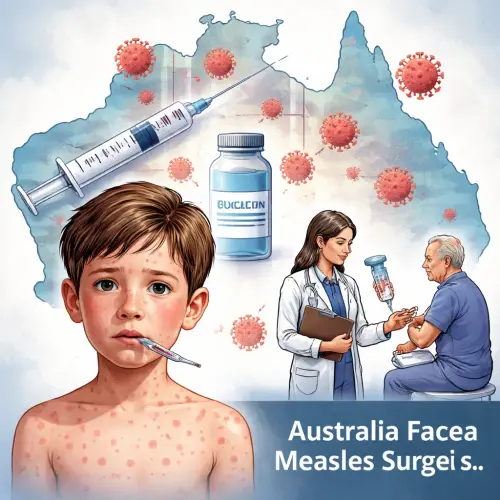
What Readers Should Know as Australia Faces Measles in 2026
Australia entered 2026 with an unexpected challenge: a sharp rise in measles cases after years of very low transmission. As Australia Faces Measles again, health agencies are reporting clusters linked to travel, pockets of low vaccination coverage, and persistent misinformation about vaccines.
While overall risk remains low for fully vaccinated people, the current pattern of imported cases sparking local outbreaks shows how quickly measles can spread in unprotected communities. Understanding what measles is, how it moves through a population, and how to respond if you are exposed can help you navigate this phase with confidence rather than fear.
Understanding Measles: Why the Virus Spreads So Fast
To make sense of why Australia Faces Measles in 2026, it helps to understand what makes this virus uniquely contagious compared with many other infections.
What measles is and how it infects people
Measles is a highly contagious viral illness caused by the measles virus (a paramyxovirus). It primarily affects the respiratory system and immune system. After exposure, the virus usually incubates for 7–14 days before symptoms appear, during which time a person may already be contagious.
The infection begins with flu-like symptoms and then progresses to a characteristic red, blotchy rash. Because early signs look like a common cold, cases are sometimes missed until the rash appears and transmission has already occurred.
How measles spreads through air and surfaces
Measles spreads mainly through respiratory droplets and tiny aerosol particles when an infected person coughs, sneezes, or even talks. The virus can linger in the air or on surfaces for up to two hours in enclosed spaces such as buses, waiting rooms, and classrooms.
Public health authorities often describe measles as one of the most infectious viruses known: in a completely unvaccinated group, one person with measles can infect 12–18 others. This is a key reason why outbreaks can escalate rapidly once they are introduced into undervaccinated communities.
Why herd immunity is so important
Because measles is so contagious, very high vaccine coverage is needed to prevent outbreaks. Experts estimate that around 95% of the population needs to be immune (through vaccination or prior infection) to maintain community protection, often called herd immunity.
When coverage falls below that threshold, even briefly, chains of transmission can take hold, especially in close-knit groups such as schools, universities, or specific suburbs with lower immunisation rates.
Australia measles surge 2026 latest health updates: Cases and Regions
In the first part of 2026, Australian health departments have reported a clear rise in measles notifications compared with recent years. While exact numbers change weekly, patterns observed so far explain why Australia measles surge 2026 latest health updates have attracted national attention.
Current trends in Australian measles notifications
Recent surveillance reports from state and territory health departments highlight several consistent features:
- Most initial cases are linked to overseas travel to regions where measles remains common.
- Secondary cases often appear in family members, school contacts, or healthcare settings.
- Outbreaks tend to cluster in areas with lower than average vaccination coverage.
The exact weekly numbers are best followed via official dashboards, but the key message is stable: while not yet a nationwide crisis, the current trajectory is a serious warning about immunity gaps.
States and territories most affected so far
Because outbreaks evolve quickly, always refer to your local health authority for the most up-to-date information. However, the following pattern has been common in recent months:
- Large cities with major international airports (such as Sydney, Melbourne, Brisbane, and Perth) report more imported cases.
- Smaller clusters occur in regional areas when an infected traveller attends events, schools, or healthcare facilities.
- Household and school-based transmission remain key drivers when children or young adults are under-vaccinated.
Local health alerts typically identify specific exposure locations, dates, and times so that people who may have been in the same setting can seek timely advice.
Why Australia Faces Measles Again: Key Drivers of the 2026 Surge
Understanding why Australia Faces Measles again in 2026 can help communities support effective solutions rather than simply reacting with worry. Several overlapping factors are contributing to the current surge. For a related guide, see ADHD Explained: Symptoms, Causes, and Treatment Guide.
Vaccination gaps and missed childhood doses
While Australia maintains generally high childhood vaccination rates, even small pockets of under-immunisation can fuel outbreaks. Pandemic-related disruptions, delayed GP visits, and changes in family routines have all contributed to some children missing or postponing their measles, mumps and rubella (MMR) vaccines.
Adolescents and young adults who never completed their second dose, or who grew up during periods of lower coverage, also feature frequently in case reports. These gaps are now being exposed as international travel returns to pre-pandemic levels.
Increased overseas travel and importation of cases
With border restrictions eased, Australians are again travelling widely to and from countries where measles remains endemic. According to the World Health Organization measles fact sheet, many regions have experienced significant measles resurgence since 2023.
Unvaccinated or under-vaccinated travellers can unknowingly bring measles back to Australia. Even a single imported case can trigger an outbreak when it overlaps with an undervaccinated group in schools, childcare centres, or community gatherings.
Misinformation and vaccine hesitancy
Another factor behind the current surge is lingering misinformation about vaccine safety. Although serious side effects from MMR vaccines are extremely rare, misleading social media posts have raised anxiety among some parents.
Public health agencies stress that the benefits of MMR vaccination in preventing severe disease, hospitalisation, and death far outweigh the risks. Transparent communication from clinicians, schools, and community leaders is crucial to counter myths and rebuild trust in vaccines.
How Authorities Are Responding as Australia Faces Measles
As Australia Faces Measles in 2026, public health teams across the country have activated established response plans. These focus on rapid detection, swift vaccination efforts, and clear communication to the public.
Case investigation, contact tracing, and isolation
When a measles case is confirmed, health authorities immediately launch contact tracing to identify anyone who may have been exposed during the infectious period. These contacts are assessed for their vaccination status and risk level.
Confirmed cases are typically advised to isolate until they are no longer infectious, which helps break chains of transmission. In some situations, workplaces, schools, or childcare centres may send home unvaccinated contacts until the risk period passes.
Targeted vaccination clinics and catch-up programs
Many states and territories have introduced or expanded catch-up vaccination initiatives. These may include:
- Pop-up clinics in schools, universities, and community centres.
- GP-led catch-up schedules for children, adolescents, and adults.
- Travel clinics emphasising measles protection for those heading overseas.
In addition, some jurisdictions are reviewing their data systems to better identify communities, age groups, or postcodes with lower coverage so they can be prioritised for outreach.
Government guidelines and official advice
National guidance is provided through the Australian Immunisation Handbook and federal health advisories, while local policies are set by state and territory health departments. For example, the Australian Government’s health portal provides up-to-date measles guidance at health.gov.au, including information on symptoms, vaccination and public health alerts.
Authorities are urging the public to rely on these official sources for the Australia measles surge 2026 latest health updates, rather than unverified posts or rumours circulating online.
Prevention and Vaccination: Practical Steps for Residents and Travellers
As Australia Faces Measles, prevention remains firmly in the hands of individuals, families, and communities. Vaccination is central, but everyday decisions about travel, work, and healthcare visits also matter.
Step 1: Check your measles vaccination status
Start by finding out whether you and your family are protected. In Australia, most people receive measles protection via the MMR vaccine in childhood, often at 12 months and 18 months. Adults who are unsure of their status can:
- Check their immunisation history through the Australian Immunisation Register (AIR).
- Ask their GP or practice nurse to review records and recommend catch-up doses if needed.
- Consider blood tests (serology) in special circumstances, such as healthcare workers or pregnant women, if records are unclear.
Step 2: Follow travel-specific measles advice
If you are planning overseas travel, especially to countries with known measles activity, discuss vaccination with your doctor at least 4–6 weeks before departure. Key tips include:
- Ensure all routine MMR doses are up to date well before travel.
- Consider early MMR vaccination for babies aged 6–11 months travelling to high-risk areas (they will still need routine doses later).
- Ask about additional precautions if you are pregnant, immune suppressed, or unable to receive live vaccines.
On return, monitor yourself and your children for symptoms during the following 2–3 weeks and seek medical advice promptly if you become unwell.
Step 3: Reduce exposure in community settings
While vaccination is the most powerful tool, a few simple behaviour changes can also reduce risk during a surge:
- Avoid attending childcare, school, or work if you or your child develop fever and a rash until medically assessed.
- Call ahead before visiting a GP or emergency department if you suspect measles so staff can protect other patients.
- Follow any temporary school or childcare exclusion advice issued by your local health authority.
Checklist: Are you protected against measles?
Use this quick checklist to assess your current level of protection and identify next steps.
| Group | Protected if… | Recommended Action |
|---|---|---|
| Children and teens | Have received two documented MMR doses (usually at 12 and 18 months or equivalent schedule) | Confirm doses in the AIR; arrange catch-up if any dose is missing or delayed. |
| Adults born after 1965 | Have documentation of two MMR doses or proven immunity | If unsure, talk to your GP about receiving MMR; extra doses are safe for most healthy adults. |
| Adults born before 1966 | Likely exposed during childhood in the pre-vaccine era | Discuss with your doctor if you are travelling or work in healthcare; some may still benefit from vaccination. |
| Pregnant people | Had MMR before pregnancy and have confirmed immunity | MMR is not given during pregnancy; seek pre-pregnancy vaccination advice and avoid exposure during outbreaks. |
| Travellers | Fully vaccinated with two MMR doses before departure | Consult a travel clinic early; ensure children and at-risk adults receive any early or catch-up doses. |
Recognising Symptoms: When to Seek Medical Care
Part of staying safe while Australia Faces Measles is knowing how to recognise its early signs and acting quickly to protect those around you. Measles can become serious, particularly for babies, pregnant women, and people with weakened immune systems.
Typical measles symptoms and timeline
The illness usually follows a predictable pattern:
- Days 1–4: Fever, tiredness, cough, runny nose, and red eyes (conjunctivitis). Tiny white spots (Koplik spots) may appear inside the mouth.
- Days 3–5: A red, blotchy rash appears, often starting at the hairline and spreading downwards over the face and body.
- Following days: Fever may spike as the rash spreads, then gradually settles as the rash fades.
People with measles are usually infectious from about four days before the rash appears until four days after it starts, which is why early suspicion and isolation are so important.
When to call a doctor or emergency service
If you or your child develops symptoms that may be measles, you should:
- Phone your GP or local health service first rather than turning up without warning.
- Follow instructions about how to enter the clinic to avoid exposing other patients.
- Seek urgent or emergency care if there are breathing difficulties, confusion, persistent high fever, or signs your child is very unwell.
Complications from measles can include ear infections, pneumonia, and, rarely, encephalitis (inflammation of the brain). Early medical assessment improves the chances of prompt treatment and careful monitoring.
Key Actions as Australia Faces Measles: Staying Informed and Prepared
The current surge is a reminder that measles can re-emerge wherever immunity weakens, even in countries with strong health systems. However, individuals and communities have powerful tools at their disposal. As Australia Faces Measles in 2026, the most effective steps you can take are to confirm your vaccination status, seek timely medical advice for suspicious symptoms, and rely on trustworthy official updates.
Clear communication between families, schools, workplaces, and healthcare providers will determine how quickly the current surge can be brought under control. Staying informed through credible sources, supporting vaccination, and acting promptly on health alerts give Australia the best chance of reducing measles transmission and protecting those most at risk.
Useful Resources
For authoritative, regularly updated information on measles in Australia and globally, the following resources are recommended:
- Australian Government Department of Health – Measles information and alerts
- World Health Organization – Measles fact sheet and global surveillance updates
Frequently Asked Questions About Australia Faces Measles
Why is Australia seeing a measles surge in 2026 after years of low cases?
The 2026 surge reflects a combination of factors: immunity gaps from missed or delayed vaccinations during recent years, increased international travel bringing measles back from high-incidence countries, and pockets of vaccine hesitancy influenced by misinformation. When even small groups remain unvaccinated, measles can spread rapidly once it is reintroduced into the community.
How worried should I be about measles if I am fully vaccinated?
If you have received two documented doses of the MMR vaccine, your risk of catching measles or developing severe illness is very low. Breakthrough infections are rare and usually milder. However, you should still follow public health advice, stay alert to symptoms after known exposure, and help protect vulnerable people who cannot be vaccinated by supporting high community coverage.
What should parents do if they are unsure about their child’s measles vaccinations?
Parents who are uncertain about their child’s measles protection should check their records via the Australian Immunisation Register or ask their GP or child health nurse to review their immunisation history. If any doses are missing or delayed, a catch-up schedule can usually be arranged quickly, and children can become protected within a few weeks of receiving the MMR vaccine.
Can adults still get measles even if they were vaccinated as children?
Most adults who received two MMR doses as children remain well protected for life, and measles cases in this group are uncommon. However, some adults only received one dose or were vaccinated during earlier schedules with lower coverage, so if you are unsure of your status or born after 1965, your GP may recommend additional MMR doses to ensure full protection, especially if you travel or work in healthcare.
How is measles diagnosed by doctors in Australia?
Doctors usually suspect measles based on the combination of symptoms (fever, cough, runny nose, red eyes, and a characteristic rash) plus any recent travel or exposure to a known case. They confirm the diagnosis with laboratory tests, often using a swab from the throat or nose and blood samples to detect the virus or measles-specific antibodies, and then notify public health authorities immediately.
What complications can measles cause in children and adults?
Measles can lead to a range of complications, from relatively mild ear infections and diarrhoea to more serious problems such as pneumonia and encephalitis, which is inflammation of the brain. Young children, pregnant women, and people with weakened immune systems are at higher risk of severe outcomes, including hospitalisation and, in rare cases, death, which is why vaccination is strongly recommended. For a related guide, see What Is RSV? Why Vaccinations Matter for Older Australians.
Is the measles, mumps and rubella (MMR) vaccine safe?
The MMR vaccine has been used worldwide for decades and has a strong safety record supported by extensive research. Most side effects are mild and short-lived, such as a sore arm, low-grade fever, or mild rash. Serious adverse events are very rare, and public health agencies consistently conclude that the benefits of preventing measles and its complications far outweigh the risks of vaccination.
Can pregnant women receive the MMR vaccine during the 2026 measles surge?
The MMR vaccine is a live vaccine and is not recommended during pregnancy. Women are usually advised to check their immunity and, if needed, complete MMR vaccination before becoming pregnant. During the current surge, pregnant women who are not immune should avoid exposure where possible and seek personalised advice from their obstetrician or GP about protecting themselves and their baby.
What should I do if I think I have been exposed to someone with measles?
If you may have been exposed to measles, contact your GP or local health service as soon as possible and let them know your vaccination status and any symptoms. Do not attend a clinic or emergency department without calling ahead, because you could expose others. Public health staff may advise urgent MMR vaccination or other measures depending on your age, immune status, and how recently exposure occurred.
How long does it take for measles symptoms to appear after exposure?
Measles typically has an incubation period of about 7 to 14 days from exposure to the first symptoms, which usually resemble a cold or flu. The rash often appears several days after the initial fever and respiratory symptoms. Because people can be contagious before the rash, early suspicion and isolation are key to preventing further spread.
Should schools or childcare centres close if measles cases are detected?
Complete closure of schools or childcare centres is not always necessary, but local health authorities may recommend temporary exclusion of unvaccinated children or staff who have been exposed, especially during the high-risk period. Decisions are made case by case, balancing the need to limit transmission with the importance of keeping education and care services operating safely.
Can people with weakened immune systems receive measles vaccines?
Because MMR is a live attenuated vaccine, it may not be suitable for people with certain immune-suppressing conditions or treatments. These individuals should seek specialist advice from their treating physician or immunologist, who can assess the level of immune suppression and recommend either vaccination under close supervision or alternative strategies such as relying on high community vaccination coverage and avoiding high-risk settings.
What role do masks and ventilation play in reducing measles spread?
While vaccination is the primary tool against measles, masks and improved ventilation can reduce the risk of airborne transmission in certain settings, especially healthcare facilities or crowded indoor spaces during outbreaks. Good airflow, avoiding unnecessary crowding, and appropriate use of masks by symptomatic individuals can all contribute to lowering the chance of passing the virus to others.
How can communities support higher measles vaccination rates?
Communities can support higher vaccination rates by sharing accurate information from credible sources, encouraging open conversations with healthcare providers, and helping families access clinics and appointments. Schools, childcare centres, and community organisations can host information sessions, promote catch-up programs, and normalise vaccination as a shared responsibility that protects vulnerable members of the community.
Are there specific recommendations for healthcare workers during the 2026 surge?
Healthcare workers are strongly advised to ensure they have documented immunity to measles, typically through two documented MMR doses or serology showing immunity. During the surge, facilities may reinforce screening, triage, and infection control protocols to quickly identify suspected measles cases, minimise exposure in waiting areas, and protect staff and other patients in line with occupational health policies.
How do I know if a source about measles on social media is reliable?
Reliable information about measles generally comes from recognised public health authorities, major hospitals, universities, and professional medical organisations. Check whether the post links to original guidance from bodies such as the Australian Government Department of Health or the World Health Organization, and be cautious of content that uses emotional language, promotes conspiracy theories, or discourages vaccination without solid scientific evidence.
What support is available if I feel anxious about measles and vaccination decisions?
If you feel anxious, talking with a trusted GP, paediatrician, or nurse can help clarify facts and address specific concerns. Many state health departments also provide telephone helplines and online resources, and some community health services offer counselling or information sessions. Seeking evidence-based guidance rather than relying on conflicting online opinions can ease uncertainty and support confident, informed choices.
Could measles become widespread across Australia again, like in the pre-vaccine era?
While large-scale measles epidemics are far less likely in a country with strong vaccination programs, sustained drops in coverage could allow more frequent or larger outbreaks to occur. Maintaining very high MMR uptake, especially in young children and high-exposure groups, is the best way to prevent a return to widespread measles and to keep future surges smaller and more manageable.
What is the single most important step I can take to help during the 2026 measles surge?
The most impactful single step is to ensure that you and your family are fully vaccinated against measles according to current guidelines, and to encourage others to check their status too. By doing this and staying informed through official updates, you directly reduce the number of people who can catch and spread the virus, helping protect vulnerable community members and supporting the wider public health response.
What is Australia Faces Measles ?
Australia Faces Measles is covered in the guide above with practical context, useful examples, and details readers can use to make a better decision.