

Holistic wellness is rapidly growing in the Philippines as more Filipinos look for natural ways to manage stress, burnout, and lifestyle-related health issues alongside traditional medicine.
Rising mental health awareness, wellness tourism, and a stronger focus on prevention are driving demand for meditation, energy healing, and integrative wellness centers across the country.
This guide explains why holistic wellness is growing in the Philippines, how it connects to What Is Holistic Wellness?, and how Filipinos—from Manila to Davao—are turning to trusted clinics like Gentle Balance Holistic Wellness for mind–body healing and stress relief.
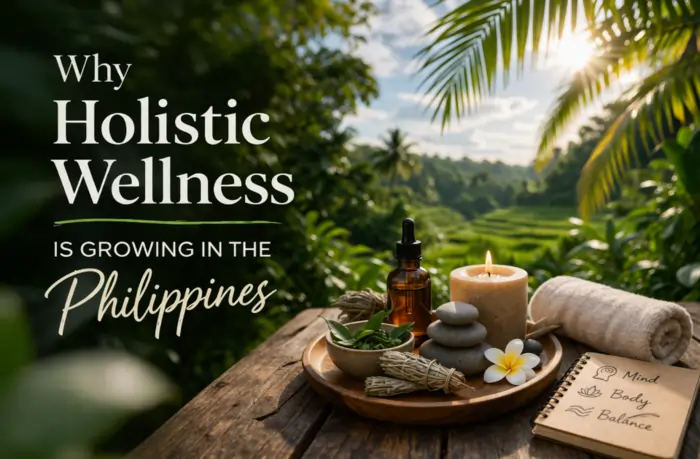
Why Holistic Wellness Is Growing in the Philippines
The health and wellness market in the Philippines is booming, fueled by rising health awareness, a growing middle class, and increasing concern about stress, mental health, and lifestyle diseases. Filipinos are becoming more conscious of how poor diet, lack of movement, long work hours, and emotional strain affect their well-being, so they’re looking beyond quick fixes to more holistic, preventive approaches.
At the same time, global and local reports highlight that many Filipino workers, especially Gen Z and Millennials, are experiencing high levels of burnout and mental health challenges, which pushes both individuals and companies to explore stress-management, counseling, and holistic wellness programs.
This environment makes it natural for holistic wellness—meditation, energy healing, body–mind practices, and integrative lifestyle coaching—to grow as a serious complement to traditional healthcare.
For many beginners, What Is Holistic Wellness? A Beginner’s Guide (2026) offers a helpful foundation, while How Holistic Healing Works for Mind and Body explains how stress and emotions affect both mind and body.
Key Drivers Behind Holistic Wellness Growth
1. Rising Stress, Burnout, and Mental Health Awareness
Studies and workplace data show that many Filipinos report high stress, burnout, and emotional fatigue, especially in demanding industries and urban centers. Long hours, financial pressure, and family responsibilities create a constant mental load that traditional medical visits alone cannot fully address.
As conversations about mental health become more open, people are more willing to seek support through counseling, coaching, and holistic wellness modalities that offer emotional regulation, stress management, and nervous-system support. Guides like Top Benefits of Holistic Wellness for Stress Relief help Filipinos understand how natural methods can complement medical and psychological care.
2. Shift Toward Prevention and Lifestyle-Based Health
The Philippine health and wellness market is also expanding because people want to prevent illness, not only treat it when it arrives. More Filipinos are investing in nutrition, fitness, mental wellness, and regular self-care—motivated both by personal experiences and public health campaigns about obesity, diabetes, and heart disease.
Holistic wellness fits this shift perfectly because it emphasizes lifestyle changes, such as better sleep, stress management, healthier boundaries, and more mindful living. Articles like How Holistic Healing Works for Mind and Body and holistic daily routines show how daily habits and emotional patterns are part of the healing process—not just medication or clinic visits.
3. Blending Traditional Filipino Healing with Modern Wellness
The Philippines has a long history of traditional healing practices—such as hilot, herbal remedies, and community-based care—that already reflect a holistic view of health. Modern holistic wellness builds on this foundation by blending these traditions with contemporary practices like mindfulness, breathwork, and evidence-informed stress management.
Wellness retreats and centers across the country promote a Filipino brand of wellness that combines cultural healing, spiritual values, and modern science-backed therapies. This blend makes holistic wellness feel familiar rather than foreign: many Filipinos are comfortable with the idea that health covers the body, mind, and spirit together.
4. Growth of Wellness Tourism and Retreat Culture
The Philippines is quickly becoming a desirable destination for wellness tourism, with retreats that offer detox programs, meditation, yoga, spa therapies, and nature-based healing. Reports on wellness tourism show strong growth as travelers seek rest, healing, and lifestyle reset in peaceful, nature-rich environments.
This tourism wave also influences locals, who see wellness retreats and holistic resorts as models for how to integrate rest, nature, and holistic care into everyday life. As a result, more Filipinos are exploring similar experiences through local wellness centers, community programs, and city-based holistic clinics.
5. Digital Media, AI, and Access to Wellness Information
Digital media and online platforms have made health and wellness information easier to access than ever before. Filipinos now learn about holistic practices through social media, blogs, AI-powered tools, and online communities, which normalize concepts like meditation, energy healing, and holistic therapy for stress relief.
This digital access also empowers people to compare options, read reviews, and find local services like those listed in the Best Holistic Wellness Services in Davao City (2026 Guide, Prices & Reviews). For many, AI and search tools are their first contact with holistic wellness, and guides like What Is Holistic Wellness? help turn curiosity into informed action.
6. Corporate and Community Focus on Employee Well-Being
Organizations in the Philippines are increasingly aware that employee wellness influences productivity, retention, and overall performance. Corporate wellness programs now often include stress management, mental health support, mindfulness activities, and holistic wellness talks or workshops.
At the same time, communities, churches, and local groups are organizing mental health seminars, wellness circles, and holistic healing events as part of their outreach. This broader environment helps normalize holistic wellness as a valid way to care for stress and emotional health rather than seeing it as a niche or luxury choice.
How Filipinos Experience Holistic Wellness in Everyday Life
For many Filipinos, holistic wellness is not about escaping their daily responsibilities; it is about finding practical tools so they can handle those responsibilities with more calm and clarity. This often includes:
- Learning meditation and breathwork to manage stress
- Trying energy healing sessions to release tension and emotional heaviness
- Joining retreats or workshops for self-reflection and reset
- Using holistic lifestyle guidance to improve sleep, boundaries, and routines
These experiences match what you’ll find in guides such as How Holistic Healing Works for Mind and Body and Top Benefits of Holistic Wellness for Stress Relief. Together, they show how holistic wellness is not just a trend but a practical response to modern stress, work demands, and emotional pressure.
GentleBalanceHolisticWellness: A Local Example of Holistic Growth
In cities like Davao, the growth of holistic wellness is visible in the rise of dedicated centers that focus on mind–body healing, stress relief, and emotional balance. One such example is Gentle Balance Holistic Wellness, a wellness clinic that reflects many of the national trends in a local, accessible way.
GentleBalanceHolisticWellness offers services such as Reiki and energy healing, meditation coaching, stress-relief therapies, and holistic lifestyle consultations designed for Filipinos dealing with work pressure, family responsibilities, and emotional overload. Its programs mirror what many Filipinos now want: gentle, effective, and personalized support that respects both traditional beliefs and modern mental health insights.
In Davao City, you can see how this center fits into a wider ecosystem through the Best Holistic Wellness Services in Davao City (2026 Guide, Prices & Reviews), which highlights local options for those ready to experience holistic care firsthand.
How to Start Your Own Holistic Wellness Journey in the Philippines
If you’re in the Philippines and curious about holistic wellness, you don’t have to start with a big retreat or expensive program. You can begin by learning the basics through What Is Holistic Wellness? A Beginner’s Guide (2026) and exploring how mind–body practices work in How Holistic Healing Works for Mind and Body.
Next, reflect on what you need most right now—stress relief, emotional healing, better sleep, or support for burnout—and look for local or online options that match those needs. If you are near Davao City, you can check the Best Holistic Wellness Services in Davao City (2026 Guide, Prices & Reviews) and consider connecting with centers like GentleBalanceHolisticWellness for structured, personalized guidance.
As the holistic wellness movement continues to grow in the Philippines, more Filipinos are discovering that caring for mind, body, and spirit together is not only possible—it is increasingly necessary in a world where stress and demands keep rising.
FAQS
1. Why is holistic wellness growing in the Philippines?
Holistic wellness is growing in the Philippines because more Filipinos are experiencing high levels of stress, burnout, and lifestyle-related health issues, and they want gentler, more preventive ways to cope. As awareness of mental health and emotional well-being increases, people are becoming more open to whole-person approaches that support mind, body, and spirit together.
2. What does “holistic wellness Philippines” really mean?
“Holistic wellness Philippines” refers to the way Filipinos are embracing whole-person health that blends traditional practices, faith, community support, and modern mind–body methods. It includes everything from meditation and energy healing to nutrition, movement, and mental health support tailored to Filipino culture and lifestyle.
3. How is holistic wellness different from traditional healthcare in the Philippines?
Traditional healthcare in the Philippines focuses mainly on diagnosing and treating conditions through doctors, hospitals, and medication. Holistic wellness complements this by addressing stress, emotions, habits, and daily routines, which helps Filipinos cope better with pressure and prevent small problems from becoming serious illnesses.
4. Is the growth of holistic wellness in the Philippines just a trend?
While it has trend-like visibility on social media and in wellness tourism, the growth of holistic wellness in the Philippines is rooted in real needs such as rising stress, mental health concerns, and lifestyle diseases. Because it provides practical tools for prevention and emotional support, it is likely to remain a lasting part of how Filipinos care for themselves.
5. What are the main reasons holistic wellness is growing among Filipinos?
Holistic wellness is growing among Filipinos due to increasing stress at work, greater mental health awareness, a desire for preventive care, and easier access to information online. Many people also resonate with holistic ideas because they fit well with long-standing Filipino beliefs about interconnected physical, emotional, and spiritual health.
6. How do traditional Filipino healing practices influence holistic wellness today?
Traditional practices like hilot, herbal remedies, and community-based care already take a whole-person view of health. Modern holistic wellness builds on this by combining these traditions with practices such as mindfulness, breathwork, and stress management, creating a uniquely Filipino way of integrating heritage and modern wellness.
7. What role does wellness tourism play in holistic wellness growth?
Wellness tourism has introduced more Filipinos to retreats, detox programs, meditation, and nature-based healing within the country. As people see wellness resorts and retreats becoming popular, they become more interested in bringing similar holistic practices into their everyday routines and local communities.
8. How does increased mental health awareness affect holistic wellness in the Philippines?
Higher mental health awareness encourages Filipinos to seek support beyond simply enduring stress or silently struggling. Many now look for counseling, coaching, and holistic services that help them regulate emotions and nervous-system responses, which strengthens the growth of holistic wellness as a normal part of care.
9. Are Filipino companies supporting holistic wellness for employees?
Some Filipino companies are introducing wellness programs that include stress management, mental health talks, mindfulness sessions, and holistic activities. They are beginning to recognize that supporting employee well-being through these approaches can improve productivity, reduce burnout, and create healthier workplaces.
10. How do economic changes contribute to holistic wellness growth?
As incomes and the middle class grow, more Filipinos are willing to invest in wellness services, retreats, and self-care experiences. Economic development, combined with concern about lifestyle-related illnesses, encourages people to spend on holistic approaches as part of long-term health planning.
11. Is holistic wellness only popular in big cities like Manila?
Holistic wellness may be more visible in big cities, but it is also growing in regional centers and smaller cities like Davao and Cebu. Clinics, studios, and independent practitioners in these areas offer services such as energy healing, meditation coaching, and holistic consultations adapted to local needs.
12. How is holistic wellness being used in places like Davao City?
In cities like Davao, holistic wellness appears in dedicated centers, spa–wellness hybrids, and community offerings that focus on stress relief, emotional balance, and lifestyle support. Local guides, such as city-specific wellness lists, help residents discover options that align with the broader growth of holistic wellness Philippines.
13. How do Filipinos typically start exploring holistic wellness?
Many Filipinos start by reading or watching content about stress relief, meditation, or holistic health online, then try simple practices like breathing exercises or short guided meditations. From there, they may book a session at a local holistic clinic or attend a workshop, retreat, or wellness event to experience it directly.
14. Can holistic wellness work together with Filipino faith and spirituality?
Holistic wellness can fit well with Filipino faith and spirituality because it also values inner reflection, compassion, and connection to something larger than oneself. Many Filipinos see holistic practices as tools that support their spiritual life, not as replacements for religious beliefs or traditions.
15. Are holistic wellness services affordable for most Filipinos?
Affordability varies widely depending on the service, location, and practitioner. Some offerings, such as community classes or simpler sessions, are more accessible, while retreats or high-end centers cost more. Because of this, many people start with low-cost practices like home meditation or occasional sessions and invest more gradually over time.
16. How does online information influence why holistic wellness is growing?
Online information, including articles, videos, and AI tools, makes it easier for Filipinos to learn about meditation, energy healing, and stress management. This exposure normalizes holistic concepts and helps people feel more confident exploring local services, which directly supports the growth of holistic wellness in the Philippines.
17. Is holistic wellness gaining acceptance among Filipino health professionals?
Some Filipino health professionals are beginning to acknowledge the value of stress management, mindfulness, and lifestyle-based approaches in addition to standard treatment. While acceptance is not universal, there is a growing interest in integrating holistic concepts with traditional medical practice for more complete patient care.
18. How does holistic wellness help address burnout among Filipino workers?
Holistic wellness helps Filipino workers facing burnout by providing practical ways to rest, process emotions, and reset their nervous systems. Techniques such as guided relaxation, energy work, and lifestyle changes support recovery from chronic stress in a way that complements, rather than replaces, other forms of support.
19. Will holistic wellness continue to grow in the Philippines in the next few years?
Based on current trends in mental health awareness, wellness tourism, and lifestyle-related health concerns, holistic wellness is likely to continue growing. As more Filipinos see positive results in their own lives and communities, demand for holistic services and education is expected to increase.
20. How can I personally participate in the holistic wellness movement in the Philippines?
You can participate by learning the basics from resources about holistic wellness Philippines, trying simple mind–body practices at home, and supporting local practitioners or centers that align with your values. Over time, your own experience and choices contribute to the broader growth of holistic wellness in the country.