

Holistic healing works by supporting your mind and body together, instead of treating them as separate parts. It uses natural methods like meditation, breathwork, energy healing, and lifestyle changes to calm your nervous system, release built-up tension, and address the root causes of stress, burnout, and emotional imbalance.
In Davao City, clinics like Gentle Balance Holistic Wellness offer these mind–body healing approaches in a guided, supportive environment for locals who want safe, non-invasive sessions.
This guide explains how holistic healing works in simple terms, how it connects to What Is Holistic Wellness? A Beginner’s Guide (2026), and how you can experience it through trusted services such as Gentle Balance Holistic Wellness and the Best Holistic Wellness Services in Davao City (2026 Guide, Prices & Reviews).
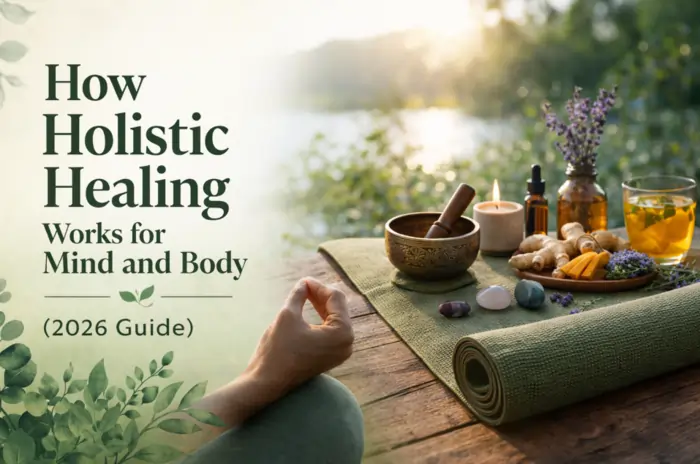
How Mind and Body Are Connected
Holistic healing starts with a simple truth: your mind and body constantly influence each other. When you’re stressed or anxious, your body reacts. When your body is exhausted or in pain, your thoughts and emotions shift as well.
Stressful thoughts can trigger muscle tension, shallow breathing, and a racing heart. Emotional pain can show up as headaches, fatigue, or stomach issues. Over time, constantly living in “fight or flight” mode can drain your energy and make it harder to think clearly or sleep well.
This is why holistic wellness doesn’t separate your physical symptoms from your emotional and mental state. It matches the big-picture view in What Is Holistic Wellness? A Beginner’s Guide (2026), where your lifestyle, emotions, beliefs, and environment are all seen as part of your health story.
How Holistic Healing Works for Mind and Body : Step by Step Process
Although each practitioner and clinic has its own style, holistic healing for mind and body usually follows a similar process.
1. Understanding Your Whole Situation
A holistic practitioner will ask about more than just your current symptom. They may ask about your work, sleep patterns, emotional stress, relationships, and major life events. This helps them see patterns that might be driving your discomfort instead of guessing based on one complaint.
This whole-person intake echoes the root-cause focus described in What Is Holistic Wellness? and sets the stage for more personalized support.
2. Calming the Nervous System
One of the first goals of holistic healing is to help your nervous system shift out of constant stress mode. Techniques like deep breathing, guided meditation, grounding exercises, and gentle touch signal your body that it is safe to relax.
When your nervous system calms, your muscles soften, your breathing deepens, and your mind becomes clearer. This state makes it easier for your body to repair, digest, and restore itself. It’s also where many of the top benefits of holistic wellness for stress relief come from.
3. Releasing Stored Tension and Emotion
Holistic healing recognizes that stress and emotions are often stored in the body. Tight shoulders, clenched jaws, heavy chests, or knotted stomachs can reflect what you’re carrying mentally and emotionally.
Through methods like energy healing, bodywork, breathwork, and mindfulness, you gradually release this tension. As your body lets go, your mind and mood often become lighter too. You may notice your reactions changing—less irritation, less panic, and more ability to pause before responding.
4. Building New Habits and Awareness
Holistic healing is not just about what happens on the treatment table. You are encouraged to make small adjustments in your day-to-day life, such as how you breathe when stressed, how you wind down at night, and how you set boundaries.
This lifestyle-focused layer connects closely to holistic lifestyle support. Over time, you are not only healing old patterns, you are also preventing new imbalance from building up.
Key Holistic Modalities for Mind–Body Healing
Different holistic practitioners use different tools, but most focus on helping mind and body work together more smoothly.
Energy Healing (Including Reiki)
Energy healing works on the premise that the body has an energetic field that can be supported, soothed, and brought back into balance. Sessions are usually gentle, with light touch or hands held slightly above the body.
Clients often describe feelings of warmth, heaviness, lightness, or deep relaxation. Even if you do not fully understand how energy work operates, the nervous-system calming effects alone can be meaningful. If you want to compare different approaches, you can explore Reiki vs Energy Healing.
Meditation and Mindfulness
Meditation and mindfulness are powerful tools for training the mind to be more present and less reactive. Guided meditations during sessions, or meditation coaching, help you notice your thoughts instead of being controlled by them.
Over time, this reduces overthinking, improves focus, and helps you respond more calmly to stress. Practical techniques are explained in more detail in Meditation Techniques for Beginners (Holistic Approach).
Breathwork
Breathwork uses specific breathing patterns to influence your nervous system. Slow, intentional breathing can reduce anxiety, ease tension, and signal your body to switch out of “fight or flight” mode.
Many holistic practitioners combine breathwork with other methods because it is simple, accessible, and effective for linking mind, body, and emotions in real time.
Holistic Lifestyle Guidance
Lifestyle guidance looks at your sleep, food, movement, screen time, and boundaries. Rather than forcing extreme changes, a holistic approach encourages small, realistic adjustments that support your body and mind.
You can see how these daily choices add up in guides about holistic habits and routines, such as those linked from holistic lifestyle support.
How Holistic Healing Supports Common Issues
Holistic healing can be especially helpful if you are dealing with stress, burnout, anxiety, emotional imbalance, or sleep problems.
Stress and Burnout
When stress is high for too long, your body and mind become exhausted. You might feel irritable, numb, or constantly tired. Holistic healing addresses stress both physically and emotionally, helping you unwind, release tension, and rebuild your capacity to cope.
For a more focused look at this, you can read Top Benefits of Holistic Wellness for Stress Relief and Holistic Treatments for Stress and Burnout That Actually Work.
Anxiety and Emotional Imbalance
Anxiety and emotional imbalance can make it hard to feel grounded, think clearly, or trust your own decisions. Holistic healing offers tools to calm your body, quiet racing thoughts, and process emotions more gently.
If you want to move away from relying only on medication for mild to moderate anxiety, you can explore natural ways to reduce anxiety without medication and how to heal emotional imbalance naturally.
Sleep and Energy
Poor sleep and low energy are often signs that your system is overloaded. Holistic healing helps by relaxing your nervous system, adjusting routines, and teaching you how to transition into rest more gently.
For more targeted ideas, you can refer to best holistic remedies for better sleep and related lifestyle guides.
Holistic Healing in the Philippines and Davao City
Holistic healing is gaining traction across the Philippines as more people look for natural, whole-person support to complement conventional care. This growth is explained in Why Holistic Wellness Is Growing in the Philippines.
In cities like Davao, that demand has led to more clinics, studios, and practitioners offering services such as Reiki, meditation coaching, and integrative stress-relief programs. If you want to experience these methods in a real-world setting, you can explore options in the Best Holistic Wellness Services in Davao City (2026 Guide, Prices & Reviews).
One example is Gentle Balance Holistic Wellness, a Davao-based center known for its personalized programs in energy healing, meditation, and holistic lifestyle guidance. Clinics like this show how holistic healing works in practice, not just in theory: you get one-on-one support, clear explanations, and structured steps instead of vague advice.
How to Start Using Holistic Healing for Your Mind and Body
If you want to experience holistic healing yourself, you do not need to overhaul your life overnight. A gradual approach works best so your mind and body can adjust gently.
First, make sure you understand the broader concept by reviewing What Is Holistic Wellness? A Beginner’s Guide (2026). Then, reflect on what you need most right now—stress relief, emotional healing, better sleep, or more energy.
Next, choose a starting point. You might decide to book a meditation coaching session, try a Reiki or energy healing session, or schedule a holistic lifestyle consultation at a trusted center. In Davao, the Best Holistic Wellness Services in Davao City page can help you compare options, with Gentle Balance Holistic Wellness standing out as a top choice for personalized mind–body healing programs tailored to stress, anxiety, and lifestyle balance.
Finally, give yourself time. Holistic healing is a process, not a one-time event. You may notice small shifts first—feeling slightly calmer, sleeping a bit better, or reacting less strongly to stress—before deeper changes appear as you continue working with a practitioner and practicing what you learn between sessions.
FAQs
1. What does “holistic healing for mind and body” actually mean?
Holistic healing for mind and body means using approaches that care for your thoughts, emotions, and physical state at the same time. Instead of separating mental and physical health, it works with them together so both can improve.
2. How is holistic healing different from regular medical treatment?
Regular medical treatment focuses on diagnosing and treating specific conditions, usually with medicine, tests, or procedures. Holistic healing focuses on how stress, emotions, habits, and energy affect your health, and it uses natural methods to support your system while you continue any needed medical care.
3. Does holistic healing have to be spiritual?
Holistic healing does not have to be spiritual, although some people experience it that way. At its core, it is about understanding your mind–body connection, calming your nervous system, and using supportive practices to help you feel better and function more clearly.
4. How does calming the nervous system help my body heal?
When your nervous system is constantly in stress mode, your body stays tense and alert, which makes rest and repair harder. Calming the nervous system allows your muscles to relax, your breathing to deepen, and your body to shift into a state where healing and digestion work more effectively.
5. What role do emotions play in holistic healing?
Emotions are seen as an important part of your overall health. Holistic healing recognizes that unprocessed emotions can contribute to physical tension and discomfort. By creating a safe space to feel and release emotions, it helps your body and mind let go of what they have been holding.
6. Can holistic healing help with chronic stress?
Holistic healing is often used specifically to address chronic stress. It gives you tools to calm your mind, relax your body, and become more aware of how stress shows up in you, so you can respond earlier and more effectively instead of staying in constant overload.
7. How does breathwork contribute to mind–body healing?
Breathwork uses intentional breathing patterns to send signals to your nervous system that it is safe to relax. When you breathe slowly and deeply, your heart rate can steady, your muscles can ease, and your mind can become less scattered, which supports both mental and physical balance.
8. Is energy healing like Reiki really beneficial?
Many people report feeling calmer, lighter, and more centered after energy healing sessions such as Reiki. Even if you are unsure how it works, the quiet, focused, and relaxing environment can have clear benefits for your nervous system and emotional state.
9. Can holistic healing help with anxiety?
Holistic healing can be helpful for mild to moderate anxiety by teaching you how to calm your body, change your breathing, and respond differently to anxious thoughts. Over time, this can reduce the intensity and frequency of anxious episodes when used consistently.
10. How does holistic healing improve sleep?
Holistic healing can improve sleep by lowering overall stress levels, releasing tension from the body, and encouraging healthier evening habits. When your nervous system is calmer and your mind is less restless, it becomes easier to fall asleep and stay asleep.
11. Will I feel results after one holistic healing session?
Some people feel noticeably more relaxed or clearer after one session, while others notice changes more gradually. The most reliable results usually come from a series of sessions combined with small, consistent lifestyle changes between visits.
12. Is holistic healing safe to combine with medication?
Holistic healing that focuses on gentle practices such as relaxation, breathwork, and emotional support is generally safe to combine with medication. However, you should always inform your practitioner about any medications and continue following your doctor’s guidance for medical conditions.
13. How is holistic healing used in places like Davao City?
In cities like Davao, holistic healing is offered through wellness centers and practitioners who provide services such as energy healing, meditation coaching, and stress-relief programs. These services are often listed alongside details about location and pricing in local guides for holistic wellness.
14. Do I have to believe in energy or chakras for holistic healing to work?
You do not need to have a specific belief system for holistic healing to be helpful. Many people focus simply on the relaxation, nervous-system regulation, and emotional support they experience, rather than on spiritual explanations, and still notice meaningful benefits.
15. How do I know if holistic healing is working for me?
Signs that holistic healing is working can include feeling calmer in stressful situations, sleeping better, noticing less tension in your body, and being more aware of your emotions without feeling overwhelmed by them. The changes are often gradual but noticeable over time.
16. How often should I receive holistic healing for mind and body?
The ideal frequency depends on your current state and goals. Some people start with weekly sessions for a short period, then move to bi-weekly or monthly maintenance once they feel more stable and confident in their own tools and routines.
17. Can holistic healing help if I feel emotionally “stuck”?
Holistic healing can help you feel less stuck by providing a safe space to acknowledge your feelings, understand where they show up in your body, and gently release tension. This combination of emotional and physical support can create a sense of movement where there was stagnation.
18. Is holistic healing appropriate for everyone?
Holistic healing can be supportive for many people, but the specific methods used should always be adapted to your situation. If you have certain medical or psychological conditions, it is important to discuss them with both your doctor and your holistic practitioner so they can choose the safest approaches.
19. What should I do before my first holistic healing session?
Before your first session, it helps to think about what you want support with, such as stress, sleep, or emotional balance. You can also prepare questions for your practitioner and plan to arrive a little early so you are not rushed and can settle in more easily.
20. How does this topic connect to other holistic wellness guides?
Understanding how holistic healing works for mind and body helps you make sense of the broader holistic wellness ecosystem. After reading this guide, you can deepen your knowledge with concept pieces like What Is Holistic Wellness? A Beginner’s Guide (2026), explore benefits-focused resources such as Top Benefits of Holistic Wellness for Stress Relief, and use local guides like the Best Holistic Wellness in Davao City (2026 Guide, Prices & Reviews) to find real practitioners who can support your journey.