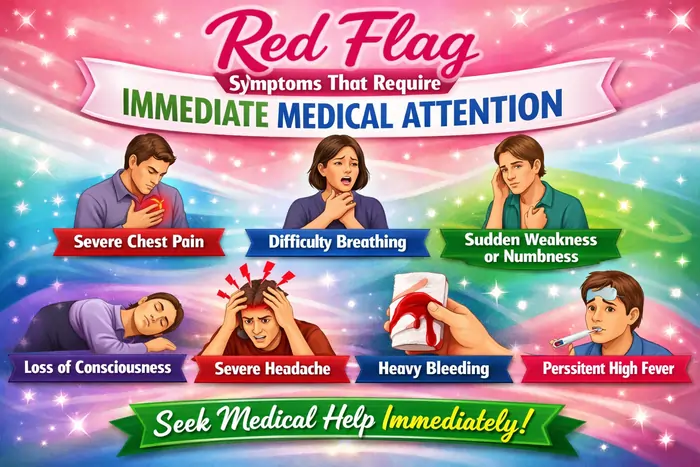
Colon cancer red flag symptoms are serious warning signs that require immediate, urgent, or prompt medical attention, including heavy rectal bleeding, severe abdominal pain, bowel obstruction, black stools, unexplained anemia, rapid weight loss, and persistent bowel changes.
These symptoms may indicate bleeding, blockage, or advanced disease, and should never be ignored. Seek emergency care for severe cases, or early medical evaluation to improve outcomes, as colon cancer is highly treatable when detected early.
Colon cancer can start quietly, but certain colon cancer red flag symptoms mean you must act immediately instead of hoping things will improve on their own. Recognizing these warning signs early—and knowing when they require emergency, urgent, or prompt medical attention—can be life‑saving.
What Makes a Symptom a “Red Flag” for Colon Cancer?
“Red flag” symptoms are not minor annoyances. They are serious warning signs that something may be dangerously wrong in your colon or rectum, such as:
Significant bleeding
A blocked bowel
Rapidly progressing or advanced disease
With colon cancer red flag symptoms, the key is urgency. These are not symptoms to watch for months. They are symptoms that should push you to seek immediate care (emergency), urgent care (within 24–48 hours), or a prompt evaluation (within days).
10 Colon Cancer Red Flag Symptoms That Require Immediate Medical Attention
Below are ten critical colon cancer red flag symptoms. Some indicate a medical emergency, while others demand urgent or prompt evaluation.
1. Heavy or continuous rectal bleeding
A small streak of blood on toilet paper can happen with hemorrhoids, but these situations are not normal:
The toilet bowl fills with bright red blood
You pass large clots
Bleeding continues or repeatedly returns over hours
Bleeding is accompanied by dizziness, weakness, or fainting
This level of bleeding can indicate a bleeding tumor or a serious tear and can lead to life‑threatening blood loss. Heavy, ongoing rectal bleeding is one of the most dangerous colon cancer red flag symptoms and is a reason to go to the emergency department immediately.
For more context on rectal bleeding and colon cancer, you can review the Colon Cancer Coalition’s page on colon cancer signs and symptoms.
2. Sudden, severe abdominal pain
Not all abdominal pain is a red flag. Gas cramps and mild aches are common. But you should treat pain as an emergency when:
It comes on suddenly and is very intense
The abdomen feels hard, rigid, or extremely tender
Pain is constant and rapidly worsening
Pain is accompanied by fever, vomiting, or an inability to pass gas or stool
These symptoms may indicate perforation (a hole in the bowel) or severe obstruction caused by a tumor. These are major colon cancer red flag symptoms and require same‑day emergency care.
Houston Methodist has an accessible overview that explains serious abdominal pain patterns in the context of colon cancer: 4 Colon Cancer Symptoms to Never Ignore.
3. Signs of bowel obstruction (blocked bowel)
A growing colon tumor can narrow or block the intestinal passage, causing:
Inability to pass stool and gas
Persistent vomiting (sometimes with stool‑like smell)
Progressive abdominal swelling and cramping
Severe discomfort that worsens over hours
A bowel obstruction is a medical emergency. When these signs appear, especially in someone known or suspected to have a colon mass, they are clear colon cancer red flag symptoms. You should go to an emergency department immediately.
Johns Hopkins Medicine describes obstruction as one of the more severe manifestations of colon cancer in their resource on colon cancer symptoms.
4. Black, tarry, or very dark stools (possible hidden bleeding)
Bright red blood is obvious, but sometimes bleeding is “hidden.” Blood from higher up in the colon can be digested and turn the stool:
Black
Sticky or tar‑like
Extremely foul‑smelling
Certain foods (like black licorice) or iron supplements can darken stool, but if you repeatedly see black, tarry stools—especially if you feel weak or dizzy—that is a serious colon cancer red flag symptom that needs prompt medical evaluation.
Iron‑deficiency anemia is a common consequence of slow, chronic blood loss in the colon. You may not see any visible blood, but you might experience:
Constant fatigue or exhaustion
Shortness of breath with everyday activities
Pale skin, headaches, or a racing heart
If blood tests show iron‑deficiency anemia without an obvious cause (such as heavy menstrual bleeding or a recent major injury)—particularly in adults over 40—this is a major colon cancer red flag symptom. Your doctor should investigate for possible bleeding in the digestive tract.
6. Rapid, unintentional weight loss and appetite changes
Weight naturally fluctuates, but danger signs include:
Losing more than 5–10% of your body weight in a few months without trying
A clear loss of appetite
Feeling full after only a few bites of food
Weight loss combined with fatigue, abdominal pain, or bowel changes
This pattern can signal that cancer is affecting metabolism, appetite, or nutrient absorption, especially if you also have other colon cancer red flag symptoms. It should prompt urgent evaluation.
7. Persistent change in bowel habits lasting more than a few weeks
Short‑term digestive upsets are common. But changes become red flags when they are:
New for you
Unexplained (no recent travel, new medications, or clear dietary trigger)
Ongoing for 3–4 weeks or longer
Examples include:
New, persistent diarrhea
Long‑lasting constipation or much more straining than usual
Alternating diarrhea and constipation
Consistently narrow, pencil‑thin, or ribbon‑like stools
Constant feeling of incomplete emptying
In adults—especially those over 45—these are important colon cancer red flag symptoms and should not be dismissed as “just IBS” without proper work‑up.
The Colon Cancer Coalition’s overview of colon cancer signs and symptoms outlines how changes in bowel habits can be an early warning.
8. Ongoing abdominal bloating, cramping, or discomfort that worsens over time
Many people experience occasional bloating. It moves into red‑flag territory when:
You have daily or near‑daily bloating or cramps for several weeks
The discomfort is steadily getting worse
Pain or bloating wakes you from sleep
You notice visible swelling that doesn’t go away
When this kind of discomfort pairs with other colon cancer red flag symptoms like weight loss, bleeding, or anemia, it strongly suggests the need for urgent evaluation.
Johns Hopkins Medicine goes into more detail about these patterns in their colon cancer symptoms guide.
9. Profound fatigue not explained by lifestyle
Cancer‑related fatigue feels different from ordinary tiredness. Red‑flag characteristics include:
Feeling drained all day, even with good sleep
Struggling with simple tasks like walking short distances
Needing rest after very minor activities
Fatigue combined with weight loss, anemia, or bowel changes
When severe fatigue comes out of nowhere and persists, it is another colon cancer red flag symptom, especially if you also have digestive complaints or abnormal blood tests.
The Colon Cancer Coalition’s symptom resource explains how fatigue fits into the overall picture of colon cancer.
10. A palpable mass or lump in the abdomen or rectum
Noticing or feeling a lump should always prompt medical review. Concerning features include:
A firm or irregular mass in your abdomen
A lump detected during a digital rectal exam
A new bulge or area of fullness that doesn’t move or disappear
While not every mass is cancer, any unexplained lump in the abdomen or rectum counts as a major colon cancer red flag symptom and usually leads to imaging and further tests.
Emergency, Urgent, and Prompt: How Fast Should You Act?
Not all red flags are equal in urgency. Here’s how to categorize colon cancer red flag symptoms so you know what to do.
Go to the emergency department immediately if you have:
Heavy, ongoing rectal bleeding or large clots
Sudden, severe abdominal pain with a hard or swollen abdomen
Vomiting plus inability to pass gas or stool
Dizziness, fainting, very rapid heartbeat, or signs of shock
These are life‑threatening situations. Do not wait for a routine appointment or try to manage them at home.
Seek an urgent (within 24–48 hours) medical appointment if you have:
Persistent rectal bleeding, even if not heavy, especially with bowel changes
Rapid, unintentional weight loss plus abdominal pain or stool changes
Newly diagnosed iron‑deficiency anemia without a clear explanation
A new lump or mass in your abdomen or rectum
In many healthcare systems, these features qualify for fast‑track referral for suspected colorectal cancer. For a clinician‑focused set of criteria that shows how seriously these symptoms are taken, see this summary of urgent referral for suspected lower gastrointestinal (GI) cancer.
Arrange a prompt (soon) appointment if you have:
New bowel habit changes lasting more than 3–4 weeks
Mild but recurring rectal bleeding
Ongoing bloating, mild pain, fatigue, or weight loss
These are still colon cancer red flag symptoms compared to everyday stomach bugs or temporary constipation. They might not require the ER, but they do demand timely evaluation and not indefinite waiting.
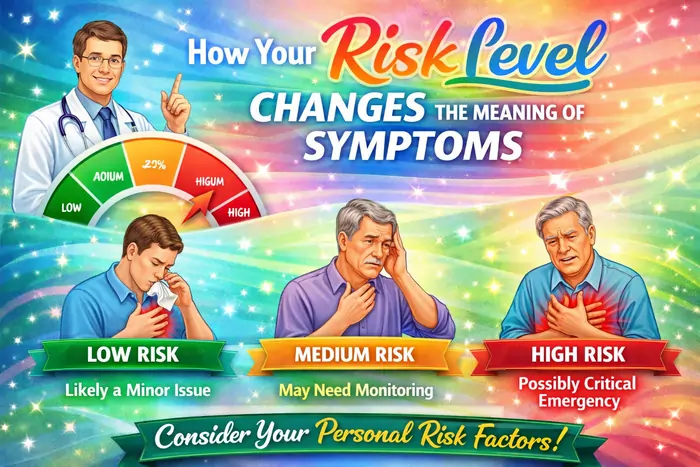
How Your Risk Level Changes the Meaning of Symptoms
The same symptom carries more or less weight depending on your background risk.
You should be especially alert to colon cancer red flag symptoms if you:
Are age 45 or older
Have a first‑degree relative (parent, sibling, or child) with colorectal cancer or advanced polyps
Have a known hereditary syndrome (such as Lynch syndrome)
Have long‑standing inflammatory bowel disease affecting the colon
Smoke, drink heavily, or have obesity
Eat a diet low in fiber and high in processed or red meats
If these apply to you, your threshold for concern should be lower. Even milder symptoms from the list above justify earlier, more aggressive investigation.
What Happens When You Present With Red Flag Symptoms?
Once you arrive at a clinic, urgent care, or emergency department with colon cancer red flag symptoms, the healthcare team will prioritise you.
1. Initial assessment
This typically includes:
Detailed questions about the onset, pattern, and severity of symptoms
Review of your medical and family history
Physical examination, including abdominal and possibly rectal exam
2. Emergency or urgent tests
Depending on severity, you may undergo:
Blood tests for anemia, infection, and organ function
Stool tests to check for hidden blood
Imaging studies (like X‑rays or CT scans) to look for obstruction, perforation, or masses
These steps help distinguish between colon cancer complications and other serious conditions.
3. Colonoscopy or other endoscopic tests
If you are stable enough and the situation allows, a colonoscopy may follow to:
Directly view the inside of the colon and rectum
Identify and biopsy any suspicious lesions
Remove polyps if it’s safe to do so
If you are unstable (for example, severe bleeding or perforation), surgery or other emergency interventions may be performed first, with colonoscopy later.
For an accessible explanation of how colon cancer is diagnosed and staged, you can refer again to the American Cancer Society’s information on detection, diagnosis, and staging.
FAQs: Colon Cancer Red Flag Symptoms
What are the most important colon cancer red flag symptoms?
Key warning signs include heavy or ongoing rectal bleeding, severe abdominal pain, bowel obstruction (no stool or gas, vomiting), black or tarry stools, unexplained anemia, rapid weight loss, persistent bowel changes, bloating, fatigue, and any abdominal mass.
When should I go to the emergency room for colon cancer symptoms?
Go to the ER if you have heavy bleeding, severe abdominal pain, vomiting with inability to pass stool, or signs of shock (fainting, rapid heartbeat).
Are all rectal bleeding episodes considered red flag symptoms?
Not always, but any new or recurring bleeding should be evaluated—especially if persistent or combined with other symptoms.
How long should a change in bowel habits last before I worry?
If bowel changes last more than 3–4 weeks, especially without a clear cause, they should be checked by a doctor.
Can colon cancer red flag symptoms appear in younger adults?
Yes. Cases are rising in younger people, and symptoms should never be ignored based on age alone.
Is unexplained weight loss always a red flag for colon cancer?
Unintentional weight loss can signal serious conditions, especially when combined with bleeding, fatigue, or bowel changes.
How does iron-deficiency anemia relate to colon cancer?
Chronic internal bleeding from the colon can cause anemia, fatigue, and weakness, even without visible blood.
Can gas and bloating be colon cancer red flag symptoms?
Occasional bloating is normal, but persistent or worsening bloating with other symptoms should be evaluated.
What does a bowel obstruction from colon cancer feel like?
It may cause severe cramping, bloating, inability to pass stool, and vomiting—a medical emergency.
Is severe fatigue alone a red flag for colon cancer?
Fatigue alone is common, but persistent fatigue with anemia or other symptoms should be investigated.
Does a family history of colon cancer change how I should react to symptoms?
Yes. A family history means higher risk, so symptoms should be taken more seriously and checked sooner.
Can colon cancer red flag symptoms come and go?
Yes. Symptoms may be intermittent but still require attention if they recur or worsen over time.
What tests are usually done when I have red flag symptoms?
Doctors may use blood tests, stool tests, imaging, and colonoscopy to diagnose the cause.
Are colon cancer red flag symptoms always caused by cancer?
No. Other conditions can mimic symptoms, but proper evaluation is essential to rule out cancer.
Where can I learn more about colon cancer red flag symptoms and what to do?
Trusted sources include Cancer Council Australia and Bowel Cancer Australia for reliable guidance and support.