

RSV Vaccinations Key Takeaways
Respiratory Syncytial Virus (RSV) is a common respiratory infection that can cause severe illness in older adults, and RSV vaccinations are a crucial tool for prevention. For Australians aged 60 and over, the virus poses a significant risk of serious complications like pneumonia and hospitalisation.
For many, respiratory syncytial virus Australia is known as a common childhood illness. However, this perception is changing as we better understand its significant impact on older adults. RSV Vaccinations is a contagious virus that infects the lungs and breathing passages. While it often causes mild, cold-like symptoms in healthy adults, it can lead to severe lower respiratory tract disease in older individuals, particularly those with underlying health conditions. This makes understanding and accessing RSV vaccinations a vital part of healthcare for senior Australians. Read also: Healthcare.
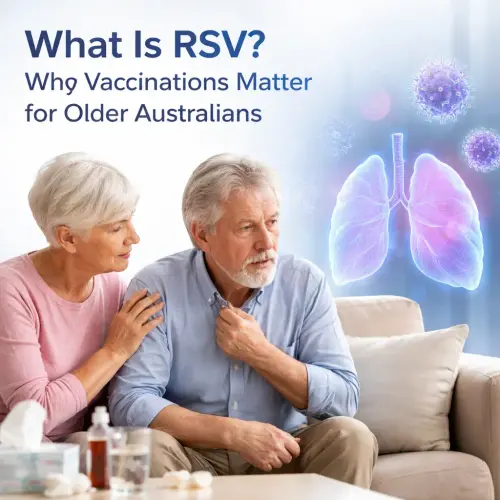
Understanding RSV Vaccinations and Its Symptoms
Respiratory syncytial virus (RSV) Vaccinations is a major cause of respiratory illness worldwide. It spreads easily through coughs, sneezes, or contact with contaminated surfaces. After an incubation period of 4-6 days, symptoms typically appear. In older adults, these can be more severe and progress more rapidly than a typical cold.
Common Symptoms of RSV Vaccinations
Initial symptoms often resemble other respiratory infections, which can make early diagnosis challenging. They include a runny nose, decreased appetite, and a dry cough. As the infection progresses, it may develop into more concerning signs like wheezing, fever, and significant difficulty breathing.
When RSV Vaccinations Becomes Serious
The primary danger for older adults is when the virus moves into the lower respiratory tract, causing conditions like bronchiolitis (inflammation of the small airways) or pneumonia. This can lead to acute respiratory failure, necessitating hospitalisation, supplemental oxygen, or even mechanical ventilation in severe cases.
Why RSV Vaccinations Poses a High Risk for Older Australians
The ageing process naturally affects the immune system and lung function, making older adults uniquely vulnerable to RSV Vaccinations. The immune response weakens with age, a phenomenon known as immunosenescence, making it harder for the body to fight off the virus effectively. Furthermore, many older Australians live with chronic health conditions that compound the risk.
Key Risk Factors
Certain pre-existing conditions dramatically increase the likelihood of severe RSV Vaccinations disease. These include chronic obstructive pulmonary disease (COPD), asthma, congestive heart failure, coronary artery disease, diabetes, and chronic kidney disease. Adults with weakened immune systems, such as those undergoing cancer treatment, are also at elevated risk.
The Burden of RSV Vaccinations in Australia
The public health impact is substantial. Each year in Australia, RSV Vaccinations leads to thousands of hospitalisations among older adults, placing a heavy burden on the healthcare system during the autumn and winter seasons. These hospital stays are not only stressful but can also lead to a prolonged decline in overall health and physical function, a serious concern for senior wellbeing.
Available RSV Vaccinations for Older Adults
The landscape of respiratory virus prevention changed significantly with the arrival of safe and effective RSV vaccinations for older adults. These vaccines are designed to prime the immune system to recognise and fight the RSV Vaccinations virus, preventing severe illness. In Australia, vaccines are approved for use in adults aged 60 and over.
How the RSV Vaccine Works
The available RSV vaccine is a recombinant protein vaccine. It contains a stabilised version of a key protein from the virus’s surface, which triggers a protective immune response without causing the actual disease. This prepares the body’s defences so that if exposed to the real virus, it can respond quickly and robustly.
Effectiveness and Safety Profile
Clinical trials have shown the vaccine to be highly effective. Data indicates it reduces the risk of developing severe lower respiratory tract disease from RSV Vaccinations by over 80% in the first season after vaccination. Regarding safety, the most common side effects are mild and temporary, such as pain at the injection site, fatigue, muscle pain, and headache. These typically resolve within a few days. The vaccines underwent rigorous testing and review by the Therapeutic Goods Administration (TGA) before approval. Read also: 2 Easy Eating Habits That May Help You Lose Weight for Good.
The Importance of Getting Vaccinated Against RSV Vaccinations
For eligible older Australians, getting an RSV vaccine is a proactive step to protect personal health and reduce strain on loved ones and the medical system. Unlike influenza or COVID-19, there is currently no specific antiviral treatment for RSV Vaccinations, making prevention through vaccination even more critical.
Protecting Yourself and Your Community
Vaccination provides direct protection to the individual, significantly lowering the chance of a severe, life-altering illness. It also contributes to community protection by reducing the overall spread of the virus, helping to safeguard those who may be more vulnerable or unable to be vaccinated themselves.
Integration with Other Preventive Health Measures
The RSV vaccine for older adults is not a replacement for other recommended vaccinations but should be considered part of a comprehensive preventive health plan. It can be administered alongside the annual flu shot and COVID-19 boosters, following guidance from a healthcare provider. This layered approach offers the broadest protection against multiple seasonal respiratory threats.
Taking Action: Next Steps for RSV Protection
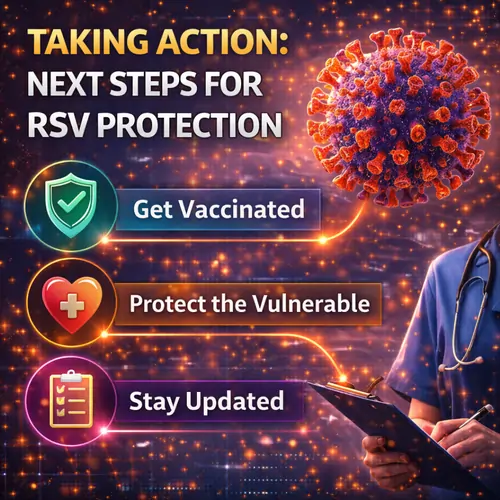
If you are an Australian aged 60 or over, or care for someone who is, discussing RSV vaccinations with a healthcare professional is the essential next step. Your GP is the best person to advise you based on your individual health status, risk factors, and vaccination history.
Questions to Ask Your Doctor
Prepare for your consultation by considering key questions: Am I at high risk for severe RSV disease? Is the RSV vaccine recommended for me? How does it fit with my schedule for other vaccinations? What are the potential side effects I should expect? Understanding the cost and availability through the National Immunisation Program or private prescription is also important.
Making an informed decision about vaccination is a powerful way to maintain your health and independence. By taking this step, you are investing in your wellbeing and enjoying greater peace of mind during the respiratory virus season.
Useful Resources
For further authoritative information on RSV and vaccination, consider these resources:
- The Australian Government Department of Health and Aged Care provides updates on the RSV immunisation program for older adults.
- The National Centre for Immunisation Research and Surveillance (NCIRS) offers detailed fact sheets and clinical guidance on RSV for both the public and health professionals.
Frequently Asked Questions About RSV Vaccinations
What exactly is RSV ?
Respiratory Syncytial Virus (RSV) is a common, highly contagious virus that infects the lungs and respiratory tract. While it often causes mild cold-like symptoms, it can lead to severe illness like pneumonia in infants, older adults, and people with certain chronic medical conditions.
Why are older adults at higher risk from RSV ?
As we age, our immune systems weaken (immunosenescence), making it harder to fight off infections. Older adults are also more likely to have underlying heart or lung conditions, which RSV can severely exacerbate, leading to hospitalisation.
Are RSV vaccinations available in Australia?
Yes, vaccines to protect against RSV are approved and available in Australia for adults aged 60 and over. They are designed to prevent severe lower respiratory tract disease caused by the virus.
How effective is the RSV vaccine for seniors?
Clinical trials have shown the vaccine to be highly effective, reducing the risk of severe RSV disease by over 80% in the first season following vaccination.
Is the RSV vaccine safe?
The RSV vaccine has undergone rigorous testing and was approved by the TGA. Common side effects are mild and short-lived, like pain at the injection site, fatigue, or headache, similar to other adult vaccines.
Who should get the RSV vaccine?
The vaccine is recommended for adults aged 60 and over, with particular emphasis on those with chronic health conditions such as COPD, heart disease, diabetes, or weakened immune systems.
How is the RSV vaccine administered?
It is given as a single injection, typically in the upper arm. Currently, only one dose is recommended.
Can I get the RSV vaccine at the same time as my flu shot?
Yes, current guidance indicates that the RSV vaccine can be administered concurrently with other adult vaccines, like the influenza and COVID-19 vaccines, often in different arms for comfort. Always confirm with your immunisation provider.
When is the best time to get vaccinated against RSV ?
RSV is typically seasonal in Australia, with most cases occurring in autumn and winter. Getting vaccinated before this season begins (e.g., in autumn) provides optimal protection.
Is the RSV vaccine free for older Australians?
Eligibility for free vaccination under the National Immunisation Program may vary. Some older adults with specific risk conditions may qualify. For others, it may be available via private prescription. Your GP or pharmacist can advise on cost and eligibility.
What are the symptoms of RSV I should watch for?
Symptoms include runny nose, cough, fever, wheezing, and decreased appetite. In older adults, watch for signs of breathing difficulty, such as rapid breathing, shortness of breath, or a worsening cough, and seek medical advice promptly.
How does RSV spread?
RSV spreads through respiratory droplets when an infected person coughs or sneezes. It can also live on hard surfaces for several hours and spread by touching a contaminated object and then touching your face.
If I’ve had RSV before, do I still need the vaccine?
Yes. Previous infection with RSV does not provide long-lasting or complete immunity. You can get re-infected, so vaccination is still recommended to protect against future severe illness.
How long does protection from the RSV vaccine last?
Current data shows strong protection through at least one full RSV season (about 6-8 months). Research is ongoing to determine the duration of protection and if, or when, booster doses might be needed.
Are there any people who should not get the RSV vaccine?
The vaccine is not approved for individuals under 60. People who have had a severe allergic reaction to any component of the vaccine should not receive it. Always discuss your full medical history with your doctor.
What’s the difference between RSV , flu, and COVID-19?
They are all contagious respiratory illnesses caused by different viruses. They share similar symptoms but are distinct diseases. This is why separate vaccines are needed for comprehensive protection.
Can the RSV vaccine give me RSV ?
No. The vaccine available for older adults does not contain a live virus. It uses a protein from the virus to stimulate immunity, so it cannot cause an RSV infection.
Where can I get the RSV vaccine?
The vaccine is available through general practitioners (GPs) and participating pharmacies. You will need a consultation and possibly a prescription, so booking an appointment is the first step.
What should I do if I think I have RSV ?
Contact your GP for advice. Manage symptoms with rest and fluids. Seek urgent medical attention if you experience significant trouble breathing, chest pain, confusion, or bluish lips or face.
How can I prevent spreading RSV if I am sick?
Practice good hygiene: cover coughs and sneezes, wash hands frequently with soap and water, wear a mask if you must be around others, and stay home while you are unwell.