

Woolworths Recycling Program Update Key Takeaways
The Woolworths Recycling Program Update for 2026 introduces clearer rules, expanded collection options, and tighter quality standards so shoppers can recycle more confidently.
- The latest Woolworths Recycling Program Update clarifies accepted materials, especially for soft plastics, and tightens contamination rules.
- Shoppers must now follow simple preparation steps at home (clean, dry, sorted) to ensure items are successfully recycled.
- Updates to store locations, hours, and incentives make it easier to plan your Woolworths recycling drop-offs around regular grocery trips.
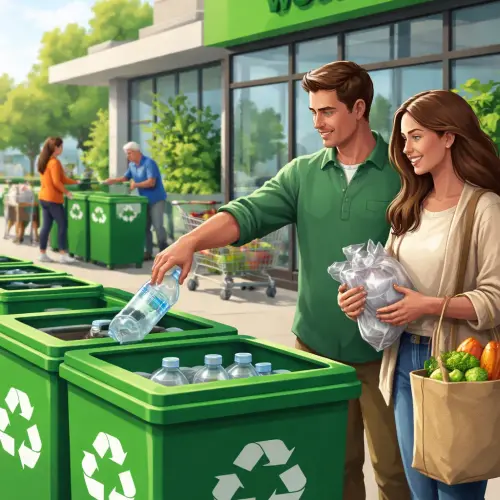
What Shoppers Should Know About the Woolworths Recycling Program Update in 2026
The Woolworths Recycling Program Update in 2026 is designed to restore shopper confidence after previous disruptions to supermarket recycling schemes and to align with evolving Australian packaging targets. For customers, this means clearer signage at collection points, stricter standards for what is accepted, and a stronger focus on keeping contamination low so that more material is actually recycled, not sent to landfill. For a related guide, see Fertilizer Shortage Hits Australian Farmers: Costs Rise, Yields at Risk.
These changes affect how you use the bins at your local store, what you can bring from home, and how you should prepare items before you shop. Understanding the new rules now will help you make the most of the Woolworths in-store recycling program update 2026 and avoid the frustration of bringing items that can no longer be accepted. For a related guide, see Australian Energy Market Commission Proposal Explained: What It Means for Power Prices.
What’s New in the Woolworths Recycling Program Update for 2026
The 2026 Woolworths Recycling Program Update introduces several key improvements that directly impact how you recycle during your regular shop.
Clearer streams for soft plastics, containers, and specialty items
One of the biggest changes is the way collection streams are separated. Instead of a single mixed bin, most participating stores now provide distinct, clearly labelled collection points for:
- Soft plastics (where available under the Woolworths soft plastic recycling 2026 rollout)
- Rigid containers, bottles, and selected packaging
- Specialty items like batteries or light globes in selected stores
This separation reduces contamination and increases the chance that the materials you return are actually recycled into new products.
Updated partnerships and local processing
To improve traceability, Woolworths has expanded partnerships with accredited recyclers and local processing facilities. The update emphasises onshore solutions where possible, with progress reported through public sustainability updates and annual reports. Customers can follow broader recycling developments through resources such as the Australian Government waste and recycling guidance and the Planet Ark RecyclingNearYou directory.
Stricter contamination and quality rules
Under the 2026 framework, the program imposes clearer rules on food residues, moisture, and mixed materials. If items are heavily soiled or wet, they may be redirected to general waste, even if the material is technically recyclable. This is why the update places such emphasis on shopper preparation and sorting at home.
What Can I Recycle at Woolworths in 2026?
A core part of the Woolworths Recycling Program Update is a refreshed list of accepted and non-accepted items. Always check in-store signage and Woolworths’ digital channels for your local store, as offerings may vary by state and location.
Commonly accepted items in the Woolworths in-store recycling program update 2026
Subject to store participation, the following categories are typically accepted:
- Clean, dry soft plastic packaging such as bread bags, frozen vegetable bags, and plastic wrapping under the trialled Woolworths soft plastic recycling 2026 streams
- Selected rigid plastic containers, bottles, and tubs with recycling symbols (e.g. PET and HDPE) when clearly labelled on the collection bins
- Aluminium cans and clean foil, if the store provides a container or directs these to a nearby Container Deposit Scheme
- Cardboard sleeves and paperboard packaging, flattened and free from food
- Specialty items like batteries or printer cartridges in selected stores with separate drop-off units
Items that generally cannot be recycled in-store
Some items still cannot be placed in Woolworths collection bins, even after the 2026 update:
- Food-soiled packaging, greasy pizza boxes, and heavily contaminated containers
- Biodegradable or compostable plastic-look packaging that does not meet the program’s processing requirements
- Glass jars and bottles, unless specifically directed to a dedicated container scheme
- Hard waste items like cookware, textiles, toys, or electronics not listed on signage
- Household chemicals, paint, gas bottles, and e-waste (these typically belong at council facilities)
When in doubt, refer to Woolworths’ official recycling pages or independent tools like RecyclingNearYou before bringing items from home.
Quick reference: what can I recycle at Woolworths?
| Category | Usually Accepted (Check Local Store) | Not Accepted in Bins |
|---|---|---|
| Soft plastics | Certain clean, dry food and household soft plastic packaging under Woolworths soft plastic recycling 2026 | Dirty, wet, or mixed-material soft plastics |
| Rigid plastics | Selected bottles, tubs, and containers with clear labels | Black plastic trays, heavily soiled containers |
| Paper and cardboard | Clean cardboard sleeves, boxes, and paper packaging | Greasy or saturated paper products |
| Specialty items | Batteries, light globes, printer cartridges in some stores | Chemicals, aerosols, large electronics |
How the Woolworths In-Store Recycling Drop-Off System Works in 2026
The updated Woolworths recycling system is intended to slot neatly into your normal shopping routine. Once you know where the bins are and what they accept, the process is quick and straightforward.
Locating the recycling stations
Most participating stores position recycling stations near the entrance, customer service desk, or self-serve checkouts. Look for bold, colour-coded signage that explains which materials belong in each bin. If you are unsure, ask a team member to confirm which bin is correct for your items.
Using the separate streams correctly
Under the Woolworths in-store recycling program update 2026, you may see separate openings or bins for soft plastics, rigid plastics, cardboard, and specialty items. Place each prepared item in the correct stream rather than tipping mixed bags directly into a single bin. This helps maintain quality and reduces sorting effort further down the line. For a related guide, see 4 Weeks of Fuel Rollbacks: Full Timeline of Diesel and Kerosene Price Cuts (April 2026 Update).
Changes to store locations and hours for recycling services
Not every Woolworths store offers the same recycling services in 2026. Some smaller or regional outlets may have limited streams, while high-traffic metropolitan stores may pilot new categories. In most cases, recycling stations are available during regular trading hours, but they may be temporarily closed during maintenance or when bins are full.
To avoid wasted trips, it is worth checking your local store page or app for the latest details on which services are currently running. This is particularly important for soft plastics, which may still be in staged trials or limited rollouts.
Step-by-Step: How to Prepare and Sort Recyclables Before Visiting Woolworths
Preparing items at home is the easiest way to make the Woolworths Recycling Program Update work in your favour. Good preparation ensures your effort leads to real recycling outcomes rather than rejected loads.
Step 1: Check current guidelines for your local store
Before you start collecting items, visit Woolworths’ sustainability or recycling information online and confirm what your nearest store accepts. This prevents you from setting aside materials that, in practice, your store cannot process yet.
Step 2: Rinse and dry containers and packaging
Give bottles, tubs, and reusable soft plastic packaging a quick rinse to remove food or product residues. Then allow them to dry completely. Moisture is a major cause of contamination and mould, so the Woolworths recycling bins are intended for clean, dry items only.
Step 3: Remove non-recyclable components
Where possible, separate out components like food scraps, metal clips, or non-recyclable liners. For example, peel off heavy foil seals or separate cardboard sleeves from plastic trays. Place anything that is clearly non-recyclable into your general rubbish or other appropriate local services.
Step 4: Sort into simple categories at home
Use a few small reusable bags or containers at home labelled for each stream you plan to use: soft plastics, containers, cardboard, and specialty items. Sorting in advance means you can simply empty each bag into the correct in-store bin without holding up other shoppers.
Step 5: Bundle your drop-off with your regular shop
Store your prepared recyclables near your reusable shopping bags or car boot so you remember to bring them. Aim to drop off recycling when you are already visiting Woolworths for groceries to save time and travel emissions.
Step 6: Double-check signage at the store
On arrival, quickly review the signage on the bins in case anything has changed since your last visit. If an item is not clearly listed or looks uncertain, it is better to take it home and seek guidance than to risk contaminating a whole stream.
Benefits of the Woolworths Recycling Program Update for Shoppers and the Environment
The Woolworths Recycling Program Update in 2026 delivers practical benefits for both customers and the broader environment. Your effort at the bin has real downstream impacts.
Environmental benefits and real-world outcomes
By keeping more soft plastics, containers, and packaging out of landfill, the updated program supports Australia’s push towards circular packaging targets and reduced waste. Higher-quality, well-sorted material can be turned into products like outdoor furniture, building materials, and packaging components, closing the loop on resource use.
Customer convenience and peace of mind
The refreshed signage, separation of streams, and clearer communications around what can I recycle at Woolworths give shoppers more confidence that their effort counts. Integrating recycling into a normal grocery trip saves time compared with visiting dedicated recycling depots, while still contributing to community sustainability goals.
Rewards, incentives, and future opportunities
Woolworths frequently trials incentives for sustainable behaviour, such as bonus loyalty points on certain eco-labelled products or challenges within the Everyday Rewards app. While rewards tied directly to in-store recycling bins may vary over time, being an active recycler often aligns with member promotions, green ranges, and community initiatives, giving engaged shoppers a small but meaningful advantage.
Useful Resources
To stay informed as recycling standards evolve, it is worth bookmarking a couple of authoritative resources alongside Woolworths’ own updates:
- Planet Ark RecyclingNearYou – National recycling directory and item-by-item guidance
- Australian Government – Waste and Recycling Policy and programs overview
In summary, the Woolworths Recycling Program Update in 2026 gives shoppers a clearer, more reliable way to recycle everyday packaging alongside their weekly shop. By following the updated guidelines, preparing items at home, and staying alert to store-specific changes, you can make sure your contribution genuinely helps reduce waste and supports Australia’s shift toward a circular economy.
Frequently Asked Questions About Woolworths Recycling Program Update
What is the main change in the Woolworths Recycling Program Update for 2026?
The key change is the introduction of clearer, separated collection streams with stricter quality standards, especially for soft plastics, so that more of the material shoppers drop off can actually be recycled rather than diverted to landfill.
Does every Woolworths store offer the updated in-store recycling program?
No, participation can vary by location, store format, and state, so customers should check their local store information or ask staff which recycling services are currently available before bringing large quantities from home.
Is Woolworths soft plastic recycling available in all stores in 2026?
Soft plastic collection is being rolled out progressively under controlled trials, so not all stores will offer it immediately in 2026, and shoppers should rely on in-store signage or official announcements to confirm whether their branch is included.
What soft plastic items are usually accepted at Woolworths in 2026?
Where available, the bins generally accept clean, dry household soft plastic packaging like bread bags, frozen food bags, and some product wrappers, but each site will publish specific examples and may exclude mixed-material or heavily printed plastics.
Can I put dirty or wet packaging into the Woolworths recycling bins?
No, contamination rules are stricter under the 2026 update, so packaging should be rinsed and thoroughly dried at home before drop-off, otherwise it risks causing whole batches to be rejected.
Can glass bottles and jars be recycled through Woolworths in-store bins?
In most cases, glass bottles and jars are not accepted in supermarket recycling stations and should instead go into your kerbside recycling bin or a state-based container deposit scheme where available.
Are batteries and light globes accepted in Woolworths recycling stations?
Some Woolworths stores provide separate, clearly labelled drop-off points for household batteries and light globes, but these are specialty streams and not all locations participate, so always confirm before bringing these items.
How should I sort my recyclables before going to Woolworths?
At home, group items into simple categories such as soft plastics, rigid containers, cardboard, and any specialty items, then place them into reusable bags or containers so you can easily empty each category into the correct bin in-store.
Do I need to remove labels from bottles and packaging before recycling at Woolworths?
In most cases labels can stay on, but you should remove obvious non-recyclable components like metal clips, heavy foil seals, or food scraps to keep the material as clean and uniform as possible for processing.
What happens to the recyclables after they are collected at Woolworths?
Materials are transferred to accredited recycling partners who sort, process, and convert them into feedstock for new products such as packaging components, outdoor furniture, and construction materials, with reporting provided through corporate sustainability updates.
Are there any rewards for using the Woolworths in-store recycling program?
While rewards change over time, Woolworths often links sustainability initiatives with its loyalty ecosystem, such as app-based challenges or promotions around greener product ranges, so engaged recyclers may benefit indirectly through targeted offers.
Can businesses or community groups use Woolworths recycling bins for bulk drop-offs?
The in-store bins are designed primarily for household-level contributions, so businesses and community groups with larger volumes should seek dedicated commercial or council services rather than relying on supermarket stations.
What should I do if the Woolworths recycling bins are full when I arrive?
If bins are clearly full or temporarily closed, it is best to take your items home and return another day, as leaving materials beside the station can create litter issues and cause contamination.
How can I find out exactly what my local Woolworths store accepts for recycling?
You can check your local store’s page, look for updated signage at the entrance and service desk, or ask a team member, and you can also cross-reference with national resources such as Planet Ark’s RecyclingNearYou directory for broader options.
Are compostable or biodegradable plastics accepted in Woolworths bins?
Most compostable or biodegradable plastic-look items are not accepted because they break down differently from conventional plastics and can contaminate recycling streams, so they should go into home or council organics programs if specifically allowed.
Can I recycle coffee cups or takeaway containers at Woolworths?
Standard paper coffee cups and many takeaway containers are difficult to process in supermarket schemes and are generally not accepted in Woolworths recycling bins, though some shopping centres may host separate cup-specific programs.
How does the Woolworths Recycling Program Update help reduce landfill?
By tightening quality rules, separating materials more effectively, and partnering with specialised recyclers, the update increases the proportion of collected material that can be turned into new products instead of being disposed of as contaminated waste.
Can I still use my council kerbside bin if my Woolworths store does not accept an item?
Yes, your council kerbside service remains the primary pathway for many packaging types, and you should continue to use it where appropriate, especially for glass, paper, and rigid plastics not covered in the supermarket program.
How often does Woolworths update its recycling guidelines?
Guidelines are reviewed regularly in response to changes in recycling markets, technology, and regulations, so shoppers should expect periodic updates and get into the habit of quickly checking signage or online information before large drop-offs.
What is the easiest way for shoppers to support the Woolworths Recycling Program Update in daily life?
The most practical support is to buy thoughtfully, prepare and sort items properly at home, use the bins during regular grocery trips, and stay informed about local changes so your recycling efforts remain effective over time.