

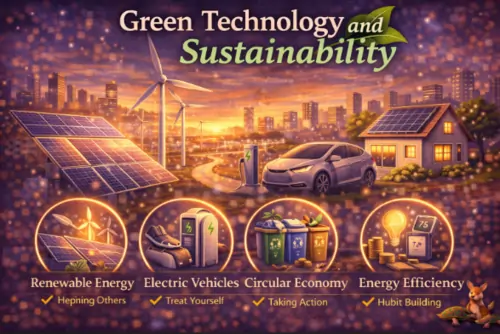
In 2026, conversations about climate change, rising electricity costs, pollution, and long-term resilience are no longer abstract. They affect daily life. That is why Green Technology and Sustainability are becoming central topics for households, businesses, and communities.
For many people, sustainability used to mean recycling plastic bottles. Today, Green Technology and Sustainability involve smarter energy systems, efficient appliances, cleaner transport, responsible waste management, and long-term economic resilience. The goal is simple: reduce environmental harm while still supporting comfort, productivity, and growth.
This guide explains what Green Technology and Sustainability really mean, why they matter now, the main categories to understand, and how to choose solutions wisely without falling for greenwashing.
What Green Technology and Sustainability Really Mean
At its core, Green Technology and Sustainability focus on reducing environmental impact while maintaining long-term viability.
Green technology refers to tools, systems, and innovations that reduce pollution, energy use, water waste, and carbon emissions. Sustainability is the broader goal of building systems that can last environmentally, socially, and economically.
When we talk about it, we are talking about solutions that:
- Use fewer natural resources
- Generate less pollution
- Improve efficiency
- Support long-term resilience
The idea is not perfection. The idea is measurable improvement.
The Three Pillars Behind Green Technology and Sustainability
Understanding it becomes easier when you look at the three pillars of sustainability:
Environmental sustainability
Protecting air, water, soil, and biodiversity.
Social sustainability
Ensuring health, safety, and fair access to resources.
Economic sustainability
Building systems that remain financially stable and resilient.
True Green Technology and Sustainability solutions balance all three. A product that reduces emissions but is financially impossible for most people will struggle to scale. A product that saves money but creates toxic waste is not sustainable either.
Why Green Technology and Sustainability Matter Now
There are practical reasons why Green Technology and Sustainability are more urgent today:
Rising energy costs
Electricity prices directly affect households and businesses. Efficient systems lower monthly bills.
Climate risks
Stronger storms, flooding, heatwaves, and droughts increase the need for resilient infrastructure.
Health concerns
Air pollution and poor waste management impact respiratory health and public safety.
Consumer and business expectations
Customers and partners increasingly expect measurable sustainability practices.
In many regions, including developing economies, Green Technology and Sustainability are not just about environmental responsibility. They are about economic survival and stability.
Main Categories of Green Technology and Sustainability
Renewable energy
One of the most visible parts of Green Technology and Sustainability is renewable energy.
This includes:
- Solar panels
- Wind turbines
- Hydropower systems
- Geothermal energy
- Battery storage
Solar energy is especially popular for homes and businesses because it can reduce long-term electricity costs when properly designed.
Renewable systems become stronger when paired with smart inverters, monitoring apps, and efficient consumption habits. That combination reflects practical Green Technology and Sustainability.
Energy efficiency
Often, the fastest and most affordable way to apply Green Technology and Sustainability is through efficiency.
Examples:
- LED lighting
- Inverter air conditioners
- Energy-efficient refrigerators
- Smart plugs and timers
- Improved insulation and ventilation
Energy efficiency reduces power use without reducing comfort. For many households, efficiency upgrades create immediate savings, making Green Technology and Sustainability financially attractive.
Clean transportation
Transportation plays a major role in emissions. Clean transport solutions are a growing part of Green Technology and Sustainability.
Examples include:
- Electric vehicles (EVs)
- E-bikes and scooters
- Improved public transport systems
- Charging infrastructure
Even small shifts—like using e-bikes for short trips—can reduce fuel consumption and pollution.
Water and waste management
Water shortages and waste overflow make Green Technology and Sustainability critical in this area.
Technologies include:
- Water purification systems
- Rainwater harvesting
- Greywater reuse systems
- Recycling technology
- Composting systems
- Waste-to-energy solutions
At the household level, proper waste segregation and composting can make a meaningful difference.
Carbon management and monitoring
Modern Green Technology and Sustainability also include digital tools.
Businesses now use:
- Carbon accounting software
- Energy monitoring dashboards
- Supply chain tracking tools
Measurement matters. If you can’t measure your impact, you can’t improve it. Tracking tools make sustainability goals more transparent and realistic.
Real-World Examples of Green Technology and Sustainability
Practical applications often look simple.
At home:
- Switching to LED lights
- Replacing old appliances with inverter models
- Using smart plugs to reduce standby energy waste
- Choosing refill products to reduce packaging
In communities:
- Solar-powered street lights
- Community compost programs
- Water refill stations
In business:
- Energy audits
- Upgrading cooling systems
- Reducing packaging materials
These are everyday expressions of Green Technology and Sustainability.
Benefits of Green Technology and Sustainability
Cleaner air
Reduced emissions mean fewer respiratory issues and better overall health.
Lower long-term costs
Efficiency reduces electricity and fuel expenses.
Resilience during disruptions
Battery systems and efficient water management increase stability during outages.
New economic opportunities
Green industries create jobs in installation, maintenance, auditing, and innovation.
Stronger brand trust
Businesses that genuinely implement Green Technology and Sustainability often build stronger customer loyalty.
Challenges and Tradeoffs
Despite the benefits, Green Technology and Sustainability also come with challenges.
Upfront costs
Some technologies require higher initial investment.
Infrastructure gaps
EV charging networks and advanced recycling systems are not equally available everywhere.
Supply chain impacts
Solar panels, batteries, and electronics require mining and manufacturing processes that have environmental costs.
E-waste management
Old electronics and batteries require proper disposal systems.
Greenwashing
Some companies use sustainability language without measurable proof. This is a major concern in the space of Green Technology and Sustainability.
How to Choose Green Technology and Sustainability Solutions Wisely
To avoid poor decisions, consider these five checks:
Does it reduce impact measurably?
Look for clear numbers: energy saved, emissions reduced, waste minimized.
What is the total cost of ownership?
Factor in installation, maintenance, lifespan, and potential savings.
Is it suitable for your local conditions?
Climate, infrastructure, and usage patterns matter.
Is after-sales support reliable?
Long-term maintenance affects sustainability outcomes.
What happens at end-of-life?
Responsible disposal or recycling is essential in true Green Technology and Sustainability.
What Businesses Can Do
Businesses can adopt Green Technology and Sustainability step by step:
Start with an energy audit
Identify the biggest consumption areas.
Upgrade high-impact systems
Lighting, HVAC, and equipment are common starting points.
Improve logistics
Efficient routing reduces fuel use.
Adopt transparent reporting
Clear metrics build trust and accountability.
The most successful sustainability transitions are incremental and measurable.
What Individuals Can Do
Households do not need massive investments to participate in Green Technology and Sustainability.
Start small:
- Replace bulbs with LEDs
- Use energy-efficient appliances when replacing old ones
- Reduce standby power
- Practice waste segregation
- Choose durable products over disposable ones
Consistency matters more than scale.
The Future of Green Technology and Sustainability
Looking ahead, we can expect:
Cheaper batteries
More energy storage options will improve grid stability.
Smarter grids
Energy systems will become more efficient and responsive.
Circular economy growth
Products designed for repair, reuse, and recycling.
AI-based energy optimization
Homes and businesses will use intelligent systems to reduce waste automatically.
The direction of Green Technology and Sustainability is toward smarter, more transparent, and more integrated systems.
Final Thoughts
Green Technology and Sustainability are no longer optional discussions. They are practical strategies for reducing costs, improving resilience, and protecting long-term wellbeing.
The goal is not perfection. The goal is progress.
Whether you are a homeowner upgrading appliances, a business improving efficiency, or a community investing in better infrastructure, Green Technology and Sustainability offer realistic pathways toward a cleaner and more stable future.
FAQs
Is green technology expensive?
Some options are, but many high-impact choices are affordable (LEDs, efficiency habits, smart controls). Total cost over time matters more than the upfront price.
Does solar help during brownouts?
It depends on the system design. Some setups need specific components (like proper inverters and storage) to provide backup power.
Are electric vehicles practical if chargers are limited?
They can be, especially for predictable daily routes and home charging. Public charging availability affects convenience for longer travel.
What is the biggest thing a household can do?
Start with energy efficiency and waste reduction. These usually give the fastest results with the lowest cost.
How do I avoid greenwashing?
Look for specific measurable claims, credible certifications, warranty details, and transparent reporting—not vague words like “eco-friendly” without proof.