

Stateside Sports Enters Voluntary Administration Key Takeaways
Stateside Sports Enters Voluntary Administration is another sign of mounting pressure on Australian retailers, with implications for shoppers, staff, and landlords across the country.
- The fact that Stateside Sports Enters Voluntary Administration highlights how fragile discretionary retail has become in 2024, especially for mall-based brands.
- Voluntary administration does not always mean immediate closure, but it does create uncertainty around gift cards, returns, and store networks.
- This case underlines broader Australian retail challenges 2024 , from rising costs to online competition and shifting consumer spending.
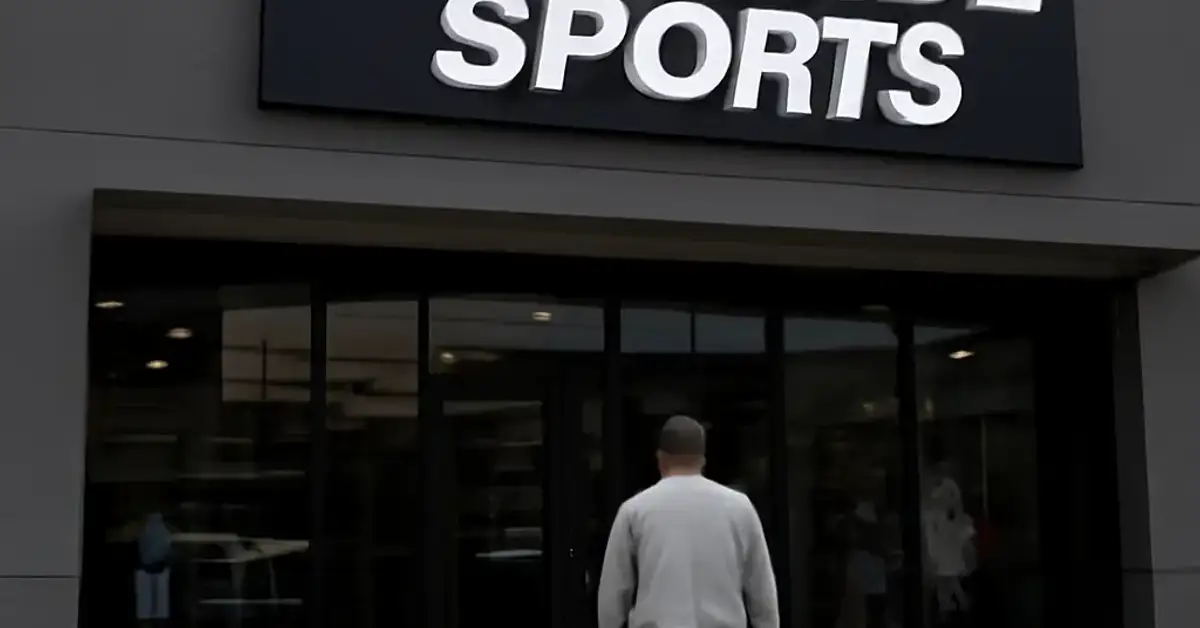
What Australian Shoppers Should Know About Stateside Sports Enters Voluntary Administration
Stateside Sports Enters Voluntary Administration at a time when many Australian households are already cutting back on non-essential spending. For shoppers who know the brand from major centres like Westfield and CBD malls, the move raises practical questions: are stores trading as normal, what happens to vouchers, and will favourite locations shut their doors?
In simple terms, voluntary administration is a formal rescue attempt. An independent administrator steps in to assess whether the business can be saved, sold, or must be wound up. During this period, stores often keep trading while the future of the chain is decided. For Australian consumers, that means a window of relative normality, but with elevated risk around pre-paid value such as gift cards and lay-bys.
How Stateside Sports Grew in Australia Before Voluntary Administration
Before Stateside Sports Enters Voluntary Administration, the brand had carved out a clear niche in the Australian market. It focused on US-inspired streetwear, NBA, MLB and NFL team apparel, caps, and sneakers, tapping into the booming demand for American sports culture among younger shoppers. For a related guide, see Hawthorn Football Club in Focus: AFL News and Season Highlights.
Its stores were typically placed in high-traffic shopping centres and CBD locations, designed as destination spaces with strong visual merchandising. This strategy helped build brand recognition quickly, but it also came with significant fixed costs in the form of premium leases, fit-outs, and staffing.
A fast-growth model in a changing retail landscape
Like many specialty retailers, Stateside Sports expanded at a time when:
- Shopping centres were competing hard for eye-catching tenants.
- International brands and global drops were driving hype for limited-edition product.
- Buy now, pay later services made it easier for younger shoppers to spend more per visit.
However, as trading conditions tightened and online competitors scaled up, the headwinds facing physical specialty retailers intensified. That backdrop is crucial to understanding why the business eventually required restructuring.
What Stateside Sports Voluntary Administration Australia Actually Means
In the Australian context, when a company enters voluntary administration, it appoints an independent insolvency practitioner (the administrator) to take control of the business. The aim is to act in the best interests of creditors as a whole and assess whether the company can be restructured or sold, or if it should proceed to liquidation.
Key features of voluntary administration
For shoppers trying to grasp what voluntary administration means for shoppers, it helps to break down the process:
| Phase | What happens | Impact on shoppers |
|---|---|---|
| Administrator appointed | Directors hand control to an external administrator. | Stores often keep trading while options are reviewed. |
| Investigation and assessment | Financial position, leases, and operations are analysed. | Some stores may have stock changes, sales, or tighter policies. |
| Proposal to creditors | A Deed of Company Arrangement (DOCA) or alternative is put to a vote. | Future of the brand (sale, restructure, or closure) becomes clearer. |
The Australian Securities and Investments Commission (ASIC) explains the objectives and mechanics of voluntary administration in more detail on its guide for creditors, which is a useful reference if you want the legal fine print.
Why Stateside Sports Enters Voluntary Administration: Key Retail Headwinds
The decision that Stateside Sports Enters Voluntary Administration does not come out of the blue. It fits into a broader pattern of specialty retailers struggling with a combination of cost pressures and shifting consumer habits in 2024.
1. Discretionary spending under pressure
Rising interest rates, higher rents, and energy bills have all hit household budgets. The Reserve Bank of Australia has repeatedly noted the softness in discretionary retail as consumers prioritise essentials. Branded sportswear and streetwear fall squarely into the non-essential camp, making them vulnerable when wallets tighten.
2. Online competition and discount expectations
Australian shoppers now compare prices instantly across local online stores and international platforms. Competing with global websites that can undercut on price or offer deeper ranges is hard for a mall-based chain. Consumers have also been trained to wait for sales, squeezing margins further.
3. Expensive leases and centre-based risk
Stateside Sports’ focus on prime shopping centre locations likely meant substantial rental commitments and annual increases. If foot traffic or conversion declined, those fixed costs would rapidly become unsustainable. Administrators commonly review leases store by store to decide which to keep, renegotiate, or exit.
4. Inventory, trends, and brand cycle risk
Streetwear and sports apparel are trend-driven. Getting ranges wrong, being late on key drops, or over-ordering can quickly lock up cash in slow-moving stock. When combined with high borrowing costs and thinner margins, that can push a retailer towards restructuring.
5. Broader Australian retail challenges 2024
The Australian retail challenges 2024 picture is not unique to one brand. From department stores to niche boutiques, operators are grappling with:
- Higher wages and compliance costs.
- Logistics and shipping volatility post-pandemic.
- Demand for omnichannel experiences and fast delivery.
- The need to invest in technology while cutting other costs.
In this environment, Stateside Sports’ difficulties are a warning sign for other retailers with similar models and cost structures.
What Voluntary Administration Means for Shoppers: Gift Cards, Returns and Warranties
When news breaks that a favourite chain has entered administration, the first reaction for many Australians is anxiety: will my voucher still work, and can I return faulty items? While each case is slightly different, there are common patterns that tend to apply when a retailer enters a process like this.
Using gift cards and store credit
In some administrations, gift cards continue to be honoured, sometimes with conditions such as having to spend at least the face value and not receiving cash back. In others, cards may be frozen or treated as unsecured claims. Administrators usually publish a customer FAQ outlining the policy for that particular administration, often on their own website or via the retailer’s channels.
If you hold Stateside Sports gift cards or credit, the safest approach is:
- Check the latest announcements from the appointed administrator.
- Use any accepted gift cards promptly while stores are still trading.
- Keep receipts and records of any transactions or balances.
Returns, exchanges, and refunds
Standard consumer guarantees under Australian Consumer Law continue to apply, but the practical ability to obtain a remedy can change during administration. If a store is open and trading, it may still process exchanges or refunds in the ordinary way, but this is not guaranteed and may be restricted.
For faulty goods, it is worth reviewing the ACCC’s guidance on repair, replacement, and refund rights. Remember that if the business ultimately ceases to trade, enforcing those rights becomes much harder.
Warranties and lay-by or pre-orders
Extended warranties or paid protection plans can be at risk if a retailer closes permanently. Manufacturer warranties, however, generally sit with the brand that produced the item, not the store, so you may still have options via the product manufacturer.
For lay-bys, deposits, or pre-paid special orders, customers usually become unsecured creditors if goods are not supplied before any closure. That means they may receive only a small fraction of what they paid, if anything, depending on the outcome of the administration.
Five Risky Signals From Stateside Sports Voluntary Administration Australia
The fact that Stateside Sports voluntary administration Australia has occurred sends several cautionary signals about where the sector is heading and what consumers should pay attention to.
Signal 1: Mall-based specialty fashion remains vulnerable
Specialty players reliant on high rents, constant foot traffic, and fashion cycles are under intense pressure. Shoppers may see more consolidations, brand exits, or aggressive discounting as these businesses fight to survive.
Signal 2: Prepaid value is never risk-free
Gift cards, store credits, and prepaid orders feel safe when a brand is visible and busy. But every administration reminds Australians that unsecured customers sit at the back of the queue if a business fails. Being cautious with large gift card balances is increasingly prudent.
Signal 3: Omnichannel laggards are exposed
Retailers that do not invest in robust ecommerce, click-and-collect, and flexible returns are finding it tougher to compete. When chains like Stateside Sports stumble, it often reflects a broader struggle to keep up with digital-first competitors.
Signal 4: Landlords and retailers need more flexible models
Shopping centre owners face higher risk when tenants under pressure have long, inflexible leases. Administrations commonly trigger renegotiations or terminations, which can reshape entire precincts and centre mixes. For shoppers, this can mean rapid turnover of brands.
Signal 5: Brand loyalty cannot override budget realities
Australians love sport and streetwear, but loyalty has limits when interest rates and rents rise faster than wages. The Stateside case shows that even well-liked concepts cannot escape the fundamentals of household budgets.
Broader Australian Retail Challenges 2024 and What Comes Next
The story that Stateside Sports Enters Voluntary Administration is part of a wider recalibration across the retail sector. Operators are reassessing network size, renegotiating leases, and deciding which brands will survive a tougher, more digital environment.
For consumers, this may mean fewer but stronger players, more online-first offers, and a shift away from over-stored centres. For staff, it means ongoing uncertainty but also potential opportunities in retailers that emerge more streamlined after restructuring.
Possible future scenarios for Stateside Sports
While the final outcome depends on the administrator’s assessment and creditor votes, the typical pathways are:
- Sale of the brand or assets: Another retailer or investor may acquire the name, websites, and selected stores, keeping the brand alive in a slimmed-down form.
- Restructuring under a DOCA: Creditors may approve a Deed of Company Arrangement that allows a reduced, restructured Stateside Sports to keep trading with fewer stores and lower debts.
- Orderly wind-down and closure: If no viable buyer or rescue plan emerges, the chain may move into liquidation, closing stores and selling remaining stock.
Australian shoppers should watch for official announcements from the appointed administrator, updates on which stores remain open, and any deadlines for using gift cards or participating in closing-down sales.
Useful Resources
For readers wanting to dive deeper into the legal and consumer-rights aspects of voluntary administration and retail collapses, these independent resources are helpful:
- ASIC guide to voluntary administration – explains the process, roles, and creditor rights.
- ACCC advice when a business closes or goes into administration – outlines what happens to gift cards, lay-bys, and consumer guarantees.
For Australian consumers, the key takeaway is to stay informed, be cautious with prepaid value, and recognise that even popular brands are not immune to the pressures reshaping retail in 2024.
Frequently Asked Questions About Stateside Sports Enters Voluntary Administration
Is Stateside Sports still trading after entering voluntary administration?
In many Australian administrations, including the case where Stateside Sports Enters Voluntary Administration, stores often continue trading at least in the short term while the administrator assesses options. However, individual store closures or changes can occur quickly, so it is wise to check current information from the administrator or the brand’s official channels before making a special trip.
Can I still use my Stateside Sports gift card during voluntary administration?
Whether your gift card can be used depends on the specific policy set by the administrator overseeing the Stateside Sports voluntary administration Australia process. Sometimes cards are honoured with conditions, sometimes they are frozen. If they are being accepted, using them promptly while stores are open reduces the risk of losing that value if the business later closes.
What happens to online orders if Stateside Sports is in administration?
Online orders may still be fulfilled while the business continues to trade, but dispatch times and stock availability can change quickly. If you have an outstanding order, keep a record of confirmation emails and monitor communications from the company and administrator. If goods are not supplied and the business ultimately ceases trading, you may need to seek a chargeback from your bank or card provider.
Are my Australian Consumer Law rights affected by voluntary administration?
Your statutory rights to remedies for faulty products under Australian Consumer Law remain, even when a retailer enters voluntary administration. However, enforcing those rights can be harder if the business is restructuring or later liquidated. Where possible, act quickly on faults while stores are trading and keep all documentation and proof of purchase.
Will all Stateside Sports stores in Australia close?
Not necessarily. When Stateside Sports Enters Voluntary Administration, the administrator reviews each store’s performance, lease terms, and strategic value. Some shops may continue trading, others may be earmarked for closure, and a subset might transfer to a buyer if the brand or assets are sold. The final network shape depends on the outcome of the administration process.
What does voluntary administration mean for Stateside Sports staff?
Staff remain employed by the company while it is in voluntary administration, but hours, rostering, and future job security become uncertain. Administrators usually communicate directly with employees about store closures or sales. If the company is liquidated and cannot pay all entitlements, staff may be able to access the Australian Government’s Fair Entitlements Guarantee scheme, subject to eligibility.
Should I avoid buying from a retailer that is in administration?
Many Australians still shop at retailers in administration, especially when there are strong discounts, but it is sensible to minimise risk. Consider avoiding large prepayments, use gift cards quickly if accepted, and prioritise items you can inspect on the spot. Think carefully before placing orders that will be delivered later, because if the business closes you may need to pursue refunds through your bank or as an unsecured creditor.
Can a brand survive after entering voluntary administration?
Yes, voluntary administration is designed as a restructuring tool, not an automatic shutdown. Some Australian brands emerge leaner after creditors approve a Deed of Company Arrangement, while others are sold to new owners who keep the brand alive. The fact that Stateside Sports Enters Voluntary Administration means the business is under review, but it does not guarantee permanent closure.
How do landlords respond when a chain like Stateside Sports goes into administration?
Landlords typically engage with the administrator to understand which leases may be kept, renegotiated, or exited. For shopping centres, a large tenant in administration can affect foot traffic and nearby retailers. Administrators often seek rent reductions or shorter terms as part of any rescue plan, which can reshape centre tenant mixes over time.
What are the main Australian retail challenges 2024 highlighted by this case?
The Stateside Sports situation highlights several Australian retail challenges 2024, including squeezed household budgets, rising operating costs, intense online competition, and the risks of heavy dependence on high-rent shopping centre locations. It shows how quickly a fashionable, recognisable brand can be pressured into restructuring when these forces collide. For a related guide, see Thunder vs Spurs: Live Updates, Score and Series News.
What should I do if I have a lay-by or pre-order with Stateside Sports ?
If you have a lay-by or pre-order, contact the store or administrator as soon as possible to clarify whether the goods will be supplied. If supply is uncertain, you can ask about cancelling and obtaining a refund, but if the company is insolvent you may become an unsecured creditor. Acting early and documenting all communications gives you the best chance of recovering money or items.
How are creditors treated when a retailer enters voluntary administration?
When a retailer enters voluntary administration, an independent administrator ranks and manages creditor claims according to insolvency law. Secured creditors, like banks with security over assets, are usually prioritised, followed by employee entitlements and then unsecured creditors such as suppliers and customers with deposits or gift cards. The return to unsecured creditors can often be low, depending on asset values and costs.
Does voluntary administration affect manufacturer warranties on products?
Manufacturer warranties generally remain in place regardless of the retailer’s status because they are obligations of the product manufacturer. If Stateside Sports Enters Voluntary Administration and later closes, you can often still approach the brand that made the shoes, apparel, or accessories for warranty support, provided you keep proof of purchase and the warranty terms.
Could another retailer buy Stateside Sports and keep it running?
Yes, one potential outcome of Stateside Sports voluntary administration Australia is a sale of the brand and selected assets to another retailer or investor. In that case, some stores, staff, and the online presence might be retained under new ownership, possibly with a smaller footprint or refreshed strategy.
How can shoppers stay updated on changes during the administration?
The most reliable information will come from formal announcements by the appointed administrator and updates on the company’s official website or social media accounts. Australian media outlets also report on key developments, such as store closures, sales campaigns, or a sale of the business. Relying on these sources is safer than rumours or social media speculation.
Is this part of a wider trend of fashion and sportswear chains collapsing?
Several fashion and specialty chains have faced restructuring or collapse in recent years as rental, labour, and supply chain costs climbed and consumers shifted online. The fact that Stateside Sports Enters Voluntary Administration is consistent with a broader trend where mid-sized, mall-based fashion and sportswear brands are squeezed between global giants and nimble online-only competitors.
What can consumers do to protect themselves when retailers are under pressure?
Consumers can reduce risk by limiting large balances on gift cards, using vouchers promptly, avoiding big prepayments for goods not yet delivered, and keeping thorough records of purchases and warranties. Paying by credit card or certain debit cards can also provide chargeback options if a retailer fails to supply goods after entering administration.
Does voluntary administration always lead to liquidation?
No, voluntary administration is a separate process aimed at exploring restructuring or sale options before liquidation becomes necessary. Some companies successfully negotiate a Deed of Company Arrangement with creditors and continue trading, while others are sold as going concerns. Liquidation occurs only if those paths are not viable or not approved.
What should Australian shoppers watch for next in the Stateside Sports case?
Shoppers should watch for announcements on store closures or sales, any deadlines for using gift cards, and news of a buyer or Deed of Company Arrangement. The final outcome will determine whether the brand continues in a reduced form, is absorbed by another retailer, or closes entirely, making this a key example of the Australian retail challenges 2024 playing out in real time.
How does the Stateside Sports administration reflect the future of Australian retail?
The case underscores that physical retail in Australia must adapt to tighter household budgets, digital competition, and rising costs. Chains with high fixed overheads and limited online capability are especially exposed. As Stateside Sports Enters Voluntary Administration, it signals that more consolidations, store rationalisations, and omnichannel investments are likely across the sector.