

F1 Results Key Takeaways
The latest F1 results from Montreal delivered a statement victory as Kimi Antonelli triumphed in a wild, safety-car‑studded Canadian Grand Prix that ran live on Monday morning AEST.
- This dramatic Canadian GP in the official F1 results put Kimi Antonelli on the map as a genuine title threat after a chaotic, strategy-heavy race.
- Multiple safety cars, changeable conditions and bold tyre calls turned the race into a tactical chess match that rewarded precision and nerve.
- For Aussie fans following the latest F1 results today , Antonelli’s win signals a generational shift just as the European leg of the season heats up.
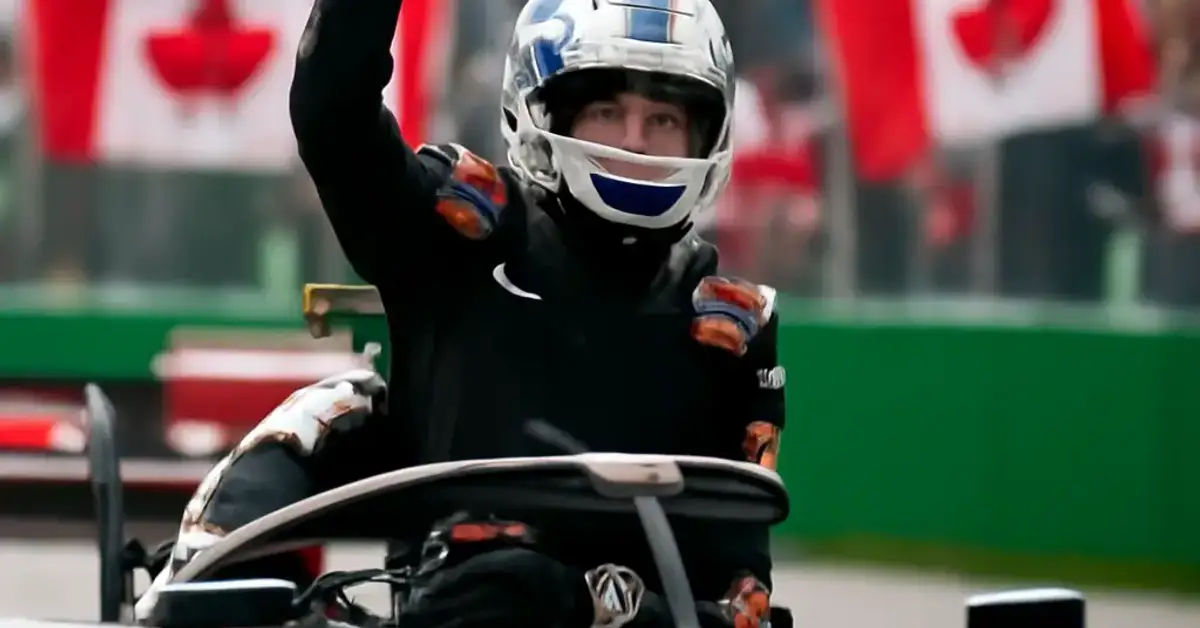
Why These F1 Results in Canada Matter So Much to Aussie Fans
On paper, the Canadian Grand Prix is just one line in the season’s official F1 results. In reality, Kimi Antonelli’s breakthrough victory in Montreal could be the moment we look back on as the start of a new era – and Australian fans watching on Foxtel, Kayo and Channel 10’s highlights have every reason to care. For a related guide, see UEFA Champions League Drama: Stunning Results Shock Fans.
The race ran in the classic Canadian time slot: an early Monday window for viewers on the east coast, with Perth night-owls able to catch the whole thing live. Those who stayed up (or set the alarm) were rewarded with a grand prix that had everything – rain, safety cars, big strategy gambles and a cool-headed rookie turning chaos into a career‑defining win.
Crucially, this result doesn’t just shuffle the order for one weekend. It tightens the championship, rattles the pecking order at the front, and sends a clear message to the established names that Antonelli is ready to fight for wins now, not two seasons from now.
Chronological F1 Results Recap: How Antonelli Won the Canadian Grand Prix
To understand why this race will be replayed on Australian highlight shows for years, it helps to walk through the weekend from qualifying to chequered flag. Here’s how the F1 results Canadian Grand Prix storyline unfolded.
Qualifying: A Wet-Dry Shootout Sets the Stage
Montreal delivered its usual weather roulette. Q1 started on a damp but drying track, forcing teams into awkward compromises between warm-up and peak performance. Early laps on intermediates were crucial before the racing line improved enough for slicks.
Antonelli’s camp nailed the transition window. While more experienced rivals hesitated, he banked a lap just as the track peaked, securing a front-row start that would prove vital. Australian viewers used to watching chaotic Albert Park qualifyings felt a sense of déjà vu: in mixed conditions, the bravest call usually wins.
Race Start: Clean Launch, Controlled Risks
At lights out, Antonelli produced the kind of launch you’d expect from a veteran. He avoided wheelspin, covered the inside into Turn 1 and resisted overdefending, preserving tyre life for the long run into the first stint.
Behind him, contact in the midfield kicked up debris and triggered early yellow flags, but the front-runners held station. For Aussies watching live timing on the official F1 app or via Kayo’s multi‑view, the crucial early story was simple: Antonelli looked composed, the car looked hooked up, and he stayed within striking distance of the lead while keeping his tyres alive.
First Safety Car: Strategy Window Blows Wide Open
The first major twist came when a midfield clash sent carbon fibre flying at the final chicane, forcing the safety car out. This was the opening that turned the race from a straightforward two‑stopper into a tactical thriller.
Some front-runners stayed out, betting on track position. Antonelli’s side pitted, banking on fresher tyres and clear air once the pack spread back out. It was a call that felt “high risk, high reward” – the sort of move that either wins the race or ends up as a cautionary tale on Aussie post‑race panels.
Middle Stints: Key Overtakes and Tyre Management
After the restart, Antonelli had work to do. On slightly fresher tyres and with a grippy car under him, he went to work with a series of decisive moves into the final chicane and Turn 1 – not reckless lunges, but well‑timed overtakes that showed both racecraft and patience.
This phase of the race showed why this Kimi Antonelli Canadian GP win will be talked about for a long time. Rather than overheating the tyres or burning all his battery in one go, he built pressure gradually, forcing small mistakes from rivals and picking them off one by one.
Second Safety Car: The Decisive Strategic Gamble
Just as the race looked to be settling, another incident brought the safety car back out. This was the true sliding‑doors moment. Some teams were burned by indecision, double‑stacking clumsily or staying out one lap too long.
Antonelli’s wall reacted instantly, bringing him in for a final set of tyres that would go to the end. With rivals split between track position and tyre advantage, the field was reset into a short, intense sprint to the flag – exactly the kind of scenario that exposes both nerves and preparation.
Final Laps: Composure Under Maximum Pressure
On the final restart, the rookie didn’t blink. He defended into Turn 1 with just enough aggression to send a message, then quickly pushed the gap out of DRS range. From there, the focus shifted to traffic, lapped cars and the ever-present threat of a late‑race shower.
Australian fans, used to seeing late drama in Canada (from Jenson Button’s 2011 masterclass to safety‑car‑decided races), braced for chaos. Instead, Antonelli delivered old-fashioned control: no track‑limits penalties, no lock‑ups, just tidy laps and clean exits. When the flag fell, it was a fully earned victory, not one gifted by fortune.
How These F1 Results Reshape the Championship and Paddock Politics
Beyond the chequered flag, this race will echo through the season. The Canadian round often acts as an inflection point before the European summer run; this time is no different.
Championship Standings: A Tightening Title Fight
Antonelli’s win slices a healthy chunk out of the championship leader’s advantage and puts him firmly into the conversation for the title. In a series where consistency is usually king, this kind of high‑value victory – on a hybrid street circuit, in tricky conditions – sends a message that he’s not just a “future” champion, but a present threat.
For Aussie followers tracking points tables across multiple time zones, that means more meaningful races in the early‑morning windows. Every European and North American round now has added weight, with Antonelli’s points haul keeping the top three tightly bunched.
Team Dynamics: Internal Pressure and Pecking Order Shifts
Inside the team, this win changes everything. A rookie delivering in a pressure‑cooker race like Canada inevitably ramps up internal comparisons: car development direction, priority on new parts, and preferred strategies in marginal calls.
Australian F1 coverage on Fox Sports and local podcasts will rightly focus on how the team handles this new dynamic. Do they pivot more aggressively towards Antonelli as a title spearhead, or try to balance both cars equally and risk leaving points on the table?
Future Races: What This Means for the European Swing
Canada is often seen as a “form check” for upcoming circuits like Barcelona, Spielberg and Silverstone. If a car is strong in Montreal’s varied corner types and brutal braking zones, it usually translates well to the next run of tracks.
That’s why this F1 results Canadian Grand Prix outcome should excite Aussie fans. It suggests Antonelli will arrive in Europe with a car that can qualify near the front and race strongly on Sundays – ideal for the late‑evening or midnight slots that dominate the Australian F1 calendar in winter.
Seven Powerful Reasons This Canadian GP Win Matters for Australian Viewers
Zooming out from the paddock politics, this wasn’t just a good race – it was a result with specific implications for how Australian fans experience the season. Here are seven reasons this victory matters down under.
1. A New Headline Act for Early-Morning Races
Many North American rounds fall into that tricky early‑morning slot on the east coast of Australia. When there’s a compelling storyline – like a rising star chasing the title – fans are far more likely to set an alarm rather than wait for the replay. Antonelli’s climb into contention transforms “background viewing” into must‑watch sport.
2. More Tactical Races for Local Broadcasters to Unpack
Australian broadcasters thrive on post‑race analysis shows that dig into tyre data, strategy calls and onboard replays. A race packed with bold calls, like this one, gives them more to break down for fans who might have missed it live.
3. Stronger Narrative Arcs Across Time Zones
Instead of isolated events, the season now has a clear storyline that carries across weekends. Fans catching highlights of this Kimi Antonelli Canadian GP win will feel compelled to tune in to the next European rounds to see if he can keep the momentum rolling.
4. Better Payoff for Dedicated Live Viewers
There’s always a question for Aussie fans: is it worth staying up or waking early? When races deliver high‑stakes results that genuinely move the championship needle, the answer is yes. This Canadian GP provided exactly that payoff – and sets a precedent for the rest of the year.
5. Richer Storylines for Local F1 Content Creators
Australian podcasters, YouTube channels and social pages focused on the latest F1 results today suddenly have a new narrative thread: can Antonelli truly challenge the established order across a full season? That means deeper analysis, more engaging debates and better content for fans between races.
6. Increased Emphasis on Strategy Literacy Among Fans
Races like this encourage fans to understand undercuts, overcuts, tyre phase and safety car windows. That strategic literacy makes following the sport across different broadcasts and highlight packages far more rewarding, especially when you can’t always watch every lap live due to Australian time zones.
7. A Clear Benchmark for Young Driver Hype
Australian motorsport fans have seen plenty of young talents hyped on the way up, both locally and in F2/F3. Antonelli turning hype into a concrete, hard‑fought grand prix win gives everyone a new standard when talking about the next wave of stars – including Aussies eyeing F1 seats in future seasons.
How Australian Fans Can Track the Latest F1 Results and Storylines
With the season heating up after Montreal, staying on top of the evolving title picture is half the fun. Fortunately, Australian fans have several reliable ways to keep their finger on the pulse of the latest F1 results today without wrecking their sleep schedule.
Live Viewing and Replays Across Australian Time Zones
Most sessions are available live and on demand via Foxtel and Kayo Sports, with Channel 10 providing selected highlights. For fans in Perth or Darwin, some races land in more friendly evening slots, while eastern states will juggle late nights and early starts – especially for the Americas leg.
Official Digital Hubs and Timing
The official Formula 1 website and app publish detailed timing, sector data and session summaries shortly after each race, making it easy to catch up over breakfast or the Monday commute. These resources turn the headline F1 results into a deeper understanding of who was fast, unlucky or tactically sharp.
Local Voices Interpreting Global Storylines
Australian F1 podcasts and social channels translate complex developments into local context – whether that’s how Antonelli’s win affects late‑season flyaways in our time zone, or what it means for future Australian drivers aiming for the grid. Following a mix of global and local voices helps turn each result into an ongoing narrative, not just a box score.
Useful Resources
If you want to dive deeper into race data and season‑long narratives around these F1 results, these two official hubs are a great starting point:
- Official Formula 1 website – race reports, standings and live timing
- Motorsport.com F1 section – in‑depth analysis, interviews and technical features
As the season rolls on from Montreal, Australian fans tracking the F1 results week to week should keep a close eye on how Antonelli backs up this landmark Canadian triumph – because if this performance is anything to go by, the championship fight just became unmissable viewing across every time zone.
Frequently Asked Questions About F1 Results
Where can Australian fans find the latest F1 results today?
Australian fans can find the latest F1 results today on the official Formula 1 website, the F1 app, and through local broadcasters like Fox Sports and Kayo, which publish results, highlights and post‑race analysis soon after every grand prix. For a related guide, see F1 2026: Latest Grand Prix Results, Driver Standings and Championship Updates.
Why is Kimi Antonelli’s Canadian GP win considered such a big deal?
This Kimi Antonelli Canadian GP win is significant because it came in mixed conditions, against experienced rivals, and after complex strategic calls, signalling that he is capable of winning under pressure and potentially fighting for the championship rather than just podiums.
How did safety cars influence the F1 results at the Canadian Grand Prix?
Multiple safety cars compressed the field and opened up strategic windows, allowing teams willing to pit aggressively, like Antonelli’s, to gain track position through tyre offsets and better pit timing, which ultimately shaped the final F1 results Canadian Grand Prix order.
What time do most Canadian and North American F1 races start in Australia?
Canadian and North American races typically start early Monday morning on Australia’s east coast, often around 4–6am AEST, while fans in Western Australia may see lights out late Sunday night, making planning for live viewing or replays important.
Does Antonelli’s win change the championship favourite?
Antonelli’s victory narrows the points gap and establishes him as a realistic title contender, but whether he becomes the outright favourite depends on how consistently he can score big points in the upcoming European races.
How do strategy calls like undercuts and overcuts affect F1 results ?
Undercuts and overcuts determine whether a driver emerges ahead or behind rivals after pit stops, and when executed well they can convert raw pace into track position, which is often the deciding factor in tight F1 results at circuits where overtaking is difficult.
What makes the Canadian Grand Prix so unpredictable?
Montreal’s mix of long straights, heavy braking zones, close walls and changeable weather creates frequent safety cars and high tyre wear, making strategy and driver discipline crucial and often producing shuffled finishing orders.
How can I follow F1 results if I can’t watch races live in Australia?
If live viewing is difficult due to time zones, you can follow live text updates on the F1 website, catch full race replays or condensed highlights on Kayo and Foxtel, and read detailed race reports that break down how the F1 results unfolded lap by lap.
Are early-morning F1 races in Australia worth waking up for?
Races that heavily influence the championship, like Antonelli’s Canadian GP win, are often worth the early alarm because they deliver key plot twists that shape the season and make subsequent rounds more exciting to follow.
What should Aussie fans watch for in upcoming European races after Canada?
Fans should watch whether Antonelli’s team maintains their performance across more traditional circuits, how rivals respond with upgrades, and whether qualifying pace translates into Sunday results now that he has proven he can win.
How do wet or mixed conditions usually change F1 race outcomes?
Wet or mixed conditions amplify differences in driver skill and team decision‑making, often allowing underdogs or rookies with strong feel and brave tyre choices to outperform established favourites in the final F1 results.
Why are safety car restarts so critical for young drivers like Antonelli?
Safety car restarts test a driver’s composure, tyre management and ability to defend or attack under pressure, so handling them well, as Antonelli did, is a strong indicator that a young driver can cope with front‑running stress.
Do Canadian GP results usually predict form for European tracks?
While no single race perfectly predicts form, strong performances in Canada often correlate with competitiveness at circuits like Barcelona and Silverstone, because they all reward good traction, braking stability and efficient aero.
How do Australian broadcasters typically cover a dramatic F1 race?
Australian broadcasters usually follow a dramatic race with extended highlights, in‑depth analysis segments, on‑board replays and discussion on local F1 shows, making it easy for fans to understand how the F1 results Canadian Grand Prix unfolded even if they missed it live.
What role does tyre management play in securing an F1 victory?
Tyre management determines how long drivers can maintain peak pace, avoid graining and protect themselves from late‑race drop‑off, and in Canada Antonelli’s careful pacing early in stints allowed him to attack when it mattered.
Can a single grand prix win transform a driver’s career trajectory?
Yes, a breakthrough win in a high‑profile, difficult race like Montreal can elevate a driver’s status inside the team, increase their influence on car development and cement their reputation as a genuine contender rather than a prospect.
How do F1 teams decide whether to pit under a safety car?
Teams assess track position, tyre age, remaining laps, pit lane time loss and rivals’ choices, then run rapid simulations to decide whether a pit stop will net a gain or loss, with bold calls often changing the final F1 results.
What can Australian fans learn from following timing data, not just race highlights?
Timing data reveals consistent pace, tyre degradation and strategic patterns that highlights can’t fully show, helping fans understand why certain drivers ended up where they did in the classification beyond just overtakes and incidents.
Will Antonelli’s Canadian GP performance change how rivals race him?
After such a composed and decisive drive, rivals are likely to treat Antonelli as a serious threat in wheel‑to‑wheel battles and strategy fights, giving him slightly less room and more attention in their race planning.
How often do Canadian Grand Prix winners go on to fight for the title?
Historically, many Canadian Grand Prix winners have been in the title hunt that season because Montreal rewards complete packages; Antonelli’s win therefore reinforces the perception that he and his team are genuine contenders for the year‑end F1 results crown.