

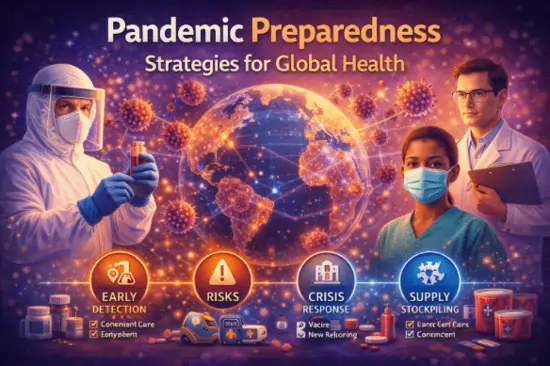
The COVID-19 pandemic showed the world how quickly a health crisis can spread and disrupt daily life, healthcare systems, economies, and education. Pandemic preparedness is no longer optional—it is a critical part of global health security and community resilience.
Pandemic preparedness strategies focus on prevention, early detection, rapid response, healthcare capacity, and coordinated communication. Strong preparation reduces mortality, protects vulnerable populations, and maintains essential services.
This guide explains pandemic preparedness strategies in clear, structured terms for individuals, communities, healthcare systems, and governments.
This article is for educational purposes only.
What Is Pandemic Preparedness?
Pandemic preparedness refers to the policies, systems, and actions designed to prevent, detect, and respond effectively to large-scale infectious disease outbreaks.
Preparedness includes:
- Surveillance systems
- Emergency planning
- Healthcare system readiness
- Supply chain management
- Public communication strategies
- International coordination
The World Health Organization (WHO) emphasizes that preparedness strengthens countries’ ability to manage health emergencies through coordinated global action.
Why Pandemic Preparedness Matters
Without preparation, pandemics can lead to:
- Overwhelmed hospitals
- Medical supply shortages
- Economic disruption
- Mental health strain
- Increased mortality
Preparedness reduces panic and enables faster, more effective responses.
Core Pandemic Preparedness Strategies
1. Early Detection and Surveillance
The earlier a disease is detected, the easier it is to contain.
Key components:
- Laboratory testing capacity
- Disease reporting systems
- Genomic surveillance
- Real-time data sharing
- International health alerts
Surveillance allows public health authorities to identify outbreaks quickly and act before widespread transmission occurs.
2. Strong Healthcare System Capacity
Healthcare systems must be ready to handle sudden surges in patients.
This includes:
- Adequate ICU beds
- Trained healthcare workforce
- Stockpiles of PPE
- Ventilators and oxygen supply
- Emergency triage systems
Flexible surge capacity ensures continuity of care for both infectious and non-infectious patients.
3. Vaccine Research and Rapid Development
Vaccines are among the most powerful tools in pandemic control.
Preparedness involves:
- Investment in vaccine research platforms
- Global manufacturing partnerships
- Fast regulatory pathways
- Equitable distribution systems
The rapid development of COVID-19 vaccines demonstrated how prior research investment accelerates response.
4. Strategic Stockpiles and Supply Chains
Medical supply shortages were a major challenge during COVID-19.
Preparedness strategies include:
- National stockpiles of PPE
- Supply chain diversification
- Domestic manufacturing capacity
- Distribution logistics planning
Resilient supply chains prevent disruptions during global crises.
5. Public Communication and Trust
Clear communication reduces misinformation and panic.
Effective communication strategies include:
- Transparent data reporting
- Evidence-based messaging
- Consistent updates
- Multilingual outreach
- Combating misinformation
Public trust is critical for compliance with health measures.
6. Community-Level Preparedness
Preparedness is not only government responsibility.
Communities should focus on:
- Local emergency response plans
- Remote work readiness
- Telehealth systems
- School contingency planning
- Food security systems
Community resilience strengthens national response capacity.
7. Global Collaboration
Viruses do not respect borders.
International cooperation includes:
- Data sharing
- Resource pooling
- Joint research
- Coordinated travel guidance
- Cross-border response planning
Global health security depends on collaboration.
Role of Digital Health in Pandemic Preparedness
Technology has transformed outbreak response.
Key tools include:
- Remote patient monitoring
- Telemedicine
- Digital contact tracing
- AI-driven outbreak prediction
- Electronic health records
Digital health improves speed, access, and continuity of care during lockdowns or overwhelmed healthcare systems.
Individual Pandemic Preparedness
Individuals can also prepare responsibly without panic.
Practical steps:
- Maintain updated vaccinations
- Practice good hand hygiene
- Keep essential medications stocked
- Develop emergency communication plans
- Stay informed through reliable sources
Personal preparedness reduces strain on healthcare systems during surges.
Mental Health in Pandemic Planning
Pandemics affect mental wellbeing.
Preparedness should include:
- Access to virtual mental health services
- Community support networks
- Workplace mental health policies
- Clear messaging to reduce anxiety
Resilience includes psychological support, not just physical health readiness.
Ethical and Equity Considerations
Preparedness must ensure:
- Fair access to vaccines
- Protection of vulnerable populations
- Ethical allocation of scarce resources
- Transparent decision-making
Health equity improves overall outcomes during public health crises.
FAQs
What is pandemic preparedness?
Pandemic preparedness is planning and system-building to prevent and respond effectively to large infectious disease outbreaks.
Why is early detection important?
Early detection allows faster containment and reduces widespread transmission.
How do vaccines support preparedness?
Vaccines reduce severe illness and help control outbreaks once developed and distributed.
What role does technology play?
Technology supports remote care, data tracking, and faster response coordination.
Can individuals contribute to preparedness?
Yes, by staying vaccinated, practicing hygiene, and following reliable public health guidance.
Final Thoughts
Pandemic preparedness is not about fear—it is about readiness. Strong surveillance, healthcare capacity, vaccine research, communication, and global collaboration create resilience.
The next pandemic is not a question of “if,” but “when.” The difference in outcomes depends on how well we prepare today.