

Natural ways to reduce anxiety without medication focus on calming the nervous system, supporting the mind–body connection, and building daily habits that make you more resilient to stress. Evidence-backed approaches like breathwork, mindfulness, movement, better sleep, gentle lifestyle changes, and holistic wellness sessions can ease mild to moderate anxiety and complement medical or psychological care when needed.
This guide explores practical, realistic strategies you can start today, and shows how working with trusted centers—such as those in the Best Holistic Wellness Services in Davao City ) and clinics like Gentle Balance Holistic Wellness—can help you manage anxiety more gently and naturally.
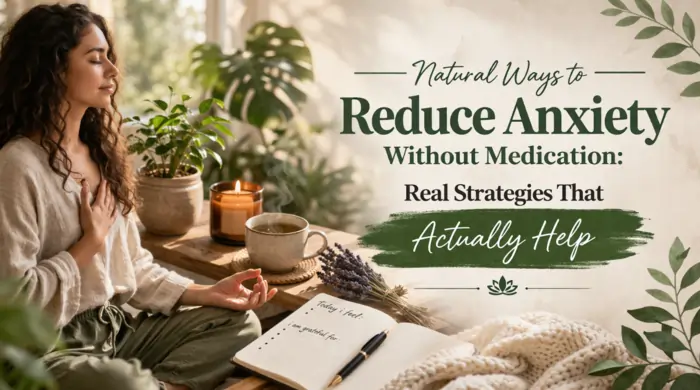
Natural Ways to Reduce Anxiety Without Medication
When people search for Natural Ways to Reduce Anxiety Without Medication, they’re often tired of feeling on edge but not ready—or not able—to rely only on pills. Natural methods focus on understanding what your mind, body, and lifestyle are trying to tell you and giving your nervous system safe, repeatable ways to calm down.
Instead of trying one random hack and hoping for the best, it helps to build a simple, layered plan: daily practices you can do on your own, plus holistic wellness support when you need deeper guidance. Resources like Holistic Treatments for Stress and Burnout That Actually Work and Best Holistic Remedies for Better Sleep (Insomnia Guide) show how these pieces fit together when anxiety, stress, and sleep issues overlap.
1. Calm Your Body with Breathwork and Grounding
One of the fastest natural ways to reduce anxiety without medication is to work directly with your breath and body awareness. Simple techniques like box breathing, slow exhales, or grounding (feeling your feet on the floor, noticing your surroundings) tell your nervous system, “You’re safe right now.”
You can combine these with gentle body scans or self-touch (like placing a hand on your chest or belly) to feel more anchored when your thoughts are racing. For deeper guidance on nervous-system–based approaches, pair these tools with holistic sessions and the principles shared in How to Heal Emotional Imbalance Naturally.
2. Move Your Body to Release Built-Up Stress
Regular physical activity is one of the most proven natural remedies for anxiety, helping your brain release feel-good chemicals and burn off the stress hormones that keep you wired and restless.
You don’t need intense workouts to benefit. Walking, light jogging, yoga, or dancing in your room can all help reduce anxious tension. When you combine movement with holistic support—like the programs highlighted in Holistic Treatments for Stress and Burnout That Actually Work—you get both immediate relief and long-term resilience.
3. Improve Sleep to Reduce Next-Day Anxiety
Poor sleep and anxiety feed each other: anxiety makes it harder to sleep, and lack of sleep makes anxiety stronger. Creating a calm, consistent sleep routine is one of the most underrated natural ways to reduce anxiety without medication.
Simple steps—like limiting screens before bed, keeping a regular schedule, using gentle breathwork at night, and making your room darker and quieter—can make a noticeable difference. For more structured ideas, explore Best Holistic Remedies for Better Sleep (Insomnia Guide) to see how relaxation, environment, and holistic practices combine to support both sleep and anxiety relief.
4. Support Your Hormones and Body Balance
Your hormones, gut, and nervous system are closely connected to your mood and anxiety levels. When these systems are out of balance, you may feel more sensitive, irritable, or on edge for “no obvious reason.”
Gentle approaches like improving sleep, balancing blood sugar through regular meals, managing caffeine, and adding calm-supporting herbs or nutrients (under professional guidance) can all help. To understand this more deeply, see Holistic Approaches to Hormonal Balance, then consider working with a holistic wellness practitioner who can see the full picture of your stress, hormones, and lifestyle.
5. Use Mindfulness and Meditation (Without Needing to Be “Zen”)
Mindfulness and meditation have strong research support for reducing anxiety, improving emotional regulation, and helping you relate differently to your thoughts. You don’t need to sit perfectly still for an hour; even a 2–10 minute practice can help.
Short, guided meditations, mindful breathing, or simply noticing sensations in your body when you feel anxious can loosen anxiety’s grip. Many holistic centers, including those featured in Best Holistic Wellness Services in Davao City (2026 Guide, Prices & Reviews), integrate mindfulness into their sessions so you can learn these tools with real-time support.
6. Gentle Herbal and Natural Supports (Used Wisely)
Some herbal remedies—like chamomile, lavender, passionflower, and others—are popularly used as natural ways to reduce anxiety without medication. While research is still growing, many people find them soothing when used cautiously and ideally with guidance from a health professional.
Options may include herbal teas, essential oils for relaxation, or carefully chosen supplements. These should complement, not replace, foundational habits like sleep, movement, and stress management.
If you’re curious about herbal or nutritional support, pairing them with a holistic consultation—such as those offered by Gentle Balance Holistic Wellness—can help you use them more safely and intentionally.
7. Create Daily Routines That Lower Baseline Anxiety
Anxiety often spikes when your days feel chaotic, unpredictable, and overfull. A simple, repeatable routine can signal safety to your nervous system and gradually lower your baseline anxiety over time.
This might include a consistent wake/sleep schedule, regular meals, short movement breaks, and a small daily wind-down ritual at night. For inspiration, you can adapt ideas from holistic lifestyle-focused resources and connect them with guidance from articles like Holistic Treatments for Stress and Burnout That Actually Work and How to Heal Emotional Imbalance Naturally.
8. Process Emotions Instead of Bottling Them Up
Many people with anxiety are also overthinkers who push their emotions down until their body starts expressing them through tightness, racing heart, or restlessness. Gentle emotional processing—through journaling, reflective practices, or holistic sessions focused on emotional release—can slowly reduce inner pressure.
You might use prompts like “What am I afraid will happen?” or “What do I wish I could say?” and allow yourself to write freely for a few minutes. Holistic-focused resources such as How to Heal Emotional Imbalance Naturally explain how emotional awareness and body-based methods work together to calm anxiety from the inside out.
9. Set Boundaries Around Stress Triggers
Sometimes anxiety is a signal, not a random glitch. If your life is full of constant demands, toxic dynamics, or unrealistic expectations, your nervous system will keep sounding the alarm. Learning to say no, limit exposure to draining environments, and protect your rest time is a powerful natural anxiety tool.
Holistic practitioners often help clients notice patterns—like overworking, people-pleasing, or never taking breaks—that keep anxiety high. Articles like Holistic Treatments for Stress and Burnout That Actually Work show how boundary-setting is part of real stress recovery, not just a “nice idea.”
10. Work with a Holistic Wellness Practitioner for Deeper Support
If you’ve tried self-help methods and still feel stuck, working with a holistic wellness practitioner can bring structure, accountability, and personalized support. Sessions might include energy healing, guided breathwork, meditation coaching, body-based relaxation, and holistic lifestyle guidance tailored to your anxiety patterns.
In Davao City, you can explore options in the Best Holistic Wellness Services in Davao City (2026 Guide, Prices & Reviews) and consider starting with Gentle Balance Holistic Wellness if you want a gentle, heart-centered approach. Many clients combine natural ways to reduce anxiety without medication at home with regular sessions, creating a realistic blend of self-guided and practitioner-supported care.
When to Seek Professional Medical or Psychological Help
While natural strategies can be powerful, it’s important to know when they’re not enough on their own. You should seek professional medical or psychological help if:
- Your anxiety interferes with daily functioning (work, school, relationships).
- You experience panic attacks, self-harm thoughts, or intense hopelessness.
- You suspect an underlying medical issue contributing to your symptoms.
Natural methods and holistic wellness can still be part of your support system, but in these cases they should complement, not replace, professional care.
FAQs
1. Can you really reduce anxiety naturally without medication?
Yes, many people ease mild to moderate anxiety using natural methods like movement, breathwork, mindfulness, better sleep, and lifestyle changes, sometimes alongside therapy.
2. What are the most effective natural ways to reduce anxiety?
Proven natural ways to reduce anxiety without medication include regular exercise, deep breathing, mindfulness or meditation, cutting back on caffeine, and improving sleep habits.
3. How quickly do natural anxiety methods start working?
Some tools—like slow breathing, grounding, or a walk outside—can help within minutes, while exercise routines, sleep changes, and mindfulness usually need days or weeks of consistency.
4. Are natural anxiety remedies safe?
Lifestyle-based tools (breathing, movement, sleep, mindfulness) are generally safe, but herbs and supplements can interact with medications, so medical advice is important if you’re taking drugs.
5. What role does exercise play in reducing anxiety?
Exercise lowers anxiety by releasing endorphins, reducing stress hormones, and improving mood and sleep, even when activity is as simple as brisk walking or yoga.
6. Does cutting caffeine really help with anxiety?
Yes, reducing caffeine often decreases jitters, palpitations, and racing thoughts, especially in people sensitive to stimulants or drinking coffee and energy drinks later in the day.
7. Are herbal teas or supplements useful for anxiety?
Herbs like chamomile, lavender, lemon balm, passionflower, and ashwagandha show promise for easing anxiety but should be used carefully and ideally under professional guidance.
8. How can mindfulness and meditation help my anxiety?
Mindfulness and meditation help you notice anxious thoughts instead of being dragged around by them, which can reduce overall anxiety and improve emotional regulation.
9. Is journaling a good natural tool for anxiety?
Yes, journaling can reduce mental overload, clarify triggers, and help you process worries more constructively, which in turn can lower anxiety levels.
10. Can natural anxiety methods replace therapy or professional help?
Natural methods are powerful complements but should not replace professional care when anxiety is severe, persistent, or interfering with daily life.
11. How do holistic wellness centers help with anxiety?
Holistic wellness centers use combinations of breathwork, energy work, guided relaxation, body-focused techniques, and lifestyle coaching to support anxiety from several angles.
12. Why consider Gentle Balance Holistic Wellness for anxiety?
Gentle Balance Holistic Wellness offers gentle, structured support—such as energy healing, guided relaxation, and holistic coaching—suited for people seeking natural ways to reduce anxiety without medication alongside daily self-care.
13. How often should I practice natural anxiety tools?
Most tools work best when used daily or several times per week, so they become habits that steadily lower your baseline anxiety instead of emergency-only fixes.
14. Can I combine natural anxiety methods with prescribed medication?
Yes, many people combine medication with exercise, mindfulness, sleep improvements, and therapy, but should always tell their doctor about any herbs or supplements they add.
15. When should I stop relying on self-help and see a doctor?
Seek professional help if anxiety worsens, disrupts daily functioning, leads to panic attacks, or comes with hopelessness or self-harm thoughts, even if you’re using natural tools.
16. What is sleep anxiety?
Sleep anxiety is when worry or racing thoughts at night make it hard to fall or stay asleep, often causing dread about bedtime and feeling exhausted the next day.
17. How does poor sleep make daytime anxiety worse?
Poor sleep impairs brain regions that regulate mood and stress, making you more emotionally reactive and prone to anxiety, which can create a vicious cycle.
18. What are natural ways to calm sleep anxiety?
Helpful strategies include a consistent bedtime, reduced screens, dim lighting, relaxing breathwork, gentle stretching, and wind-down rituals like herbal tea or guided audio.
19. Which herbs can support both sleep and anxiety?
Chamomile, lavender, valerian, lemon balm, and passionflower are commonly used to support relaxation and sleep, but should be used with care and medical guidance if on medications.
20. Can a holistic wellness practitioner help with sleep-related anxiety?
Yes, holistic practitioners can use breathwork, energy work, guided relaxation, and lifestyle adjustments to address both night-time worry and overall anxiety patterns. In Davao City, centers listed in the Best Holistic Wellness Services in Davao City (2026 Guide, Prices & Reviews) and Gentle Balance Holistic Wellness are good places to explore this kind of support.