

Holistic treatments for stress and burnout focus on calming the nervous system, restoring mind–body balance, and gently changing the habits and environments that keep you exhausted. Evidence-backed tools like breathwork, mindfulness, body-based therapies, lifestyle shifts, and supportive holistic sessions can reduce stress, emotional exhaustion, and anxiety—especially when combined with realistic rest and boundaries.
This guide explains Holistic Treatments for Stress and Burnout That Actually Work, and shows how to apply them in real life, including options in Davao City such as those listed in the Best Holistic Wellness Services in Davao City (2026 Guide, Prices & Reviews) and heart-centered clinics like Gentle Balance Holistic Wellness.
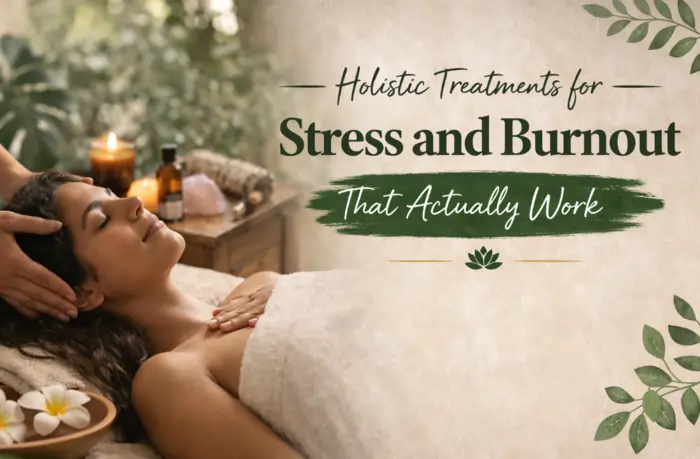
Holistic Treatments for Stress and Burnout That Actually Work
When you search for Holistic Treatments for Stress and Burnout That Actually Work, you’re usually past the point of “just take a break.” You want approaches that truly reduce overload, not just help you cope for one more week.
Holistic treatments look at how your body, emotions, thoughts, schedule, and environment all contribute to chronic stress. They combine practical nervous-system tools with lifestyle shifts and deeper emotional work, similar to what’s outlined in Natural Ways to Reduce Anxiety Without Medication and Best Holistic Remedies for Better Sleep (Insomnia Guide).
1. Regulating Your Nervous System with Breathwork and Mind–Body Practices
One of the core holistic treatments for stress and burnout is learning to shift your nervous system out of constant fight-or-flight using breathwork and mind–body practices. Techniques like box breathing, 4–7–8 breathing, and guided body awareness can lower heart rate, reduce stress hormones, and create a feeling of safety in minutes.
These tools don’t fix your workload by themselves, but they give you a repeatable way to calm your system so you can make clearer decisions about boundaries and change. Many holistic practitioners—including those featured in the Best Holistic Wellness Services in Davao City (2026 Guide, Prices & Reviews)—use breathwork as a foundation for burnout recovery.
2. Using Mindfulness to Reduce Emotional Exhaustion
Research on mindfulness-based interventions shows small-to-moderate improvements in stress, burnout, anxiety, and emotional exhaustion, especially in high-pressure professions. Mindfulness doesn’t mean forcing yourself to be calm; it means learning to notice thoughts, feelings, and body sensations without instantly reacting to them.
Simple practices—like 5 minutes of mindful breathing, mindful walking, or short “check-ins” during the day—help you catch stress earlier and stop adding extra self-judgment on top of what you’re already carrying. This ties closely with emotional work described in How to Heal Emotional Imbalance Naturally.
3. Restoring the Body with Sleep, Relaxation, and Gentle Movement
Chronic sleep debt, tension, and inactivity make stress and burnout much worse. Holistic approaches emphasize sleep hygiene, restorative practices, and realistic movement, such as:
- Building a consistent sleep routine and calmer pre-bed habits
- Using gentle stretching, yoga, or walking to release physical stress
- Scheduling mini “downtime” pockets, not just once-a-year vacations
These strategies echo the guidance in Best Holistic Remedies for Better Sleep (Insomnia Guide) and Natural Ways to Reduce Anxiety Without Medication, where sleep, anxiety, and stress are treated as deeply connected.
4. Supporting Hormones and Energy with Lifestyle and Holistic Care
Long-term stress can disrupt hormones, energy, mood, and resilience, which is why holistic treatments often include nutrition, movement, and rest alongside emotional and spiritual support. Addressing blood sugar swings, chronic tension, and constant screen exposure can help your body exit survival mode.
For a deeper dive into the biology side, you can connect these ideas with Holistic Approaches to Hormonal Balance and then discuss them with a practitioner who understands both physical and emotional burnout.
5. Energy Healing, Bodywork, and Deep Relaxation Therapies
Many people in burnout have forgotten what it feels like for their body to be truly relaxed. Holistic therapies like Reiki, energy healing, therapeutic touch, and gentle bodywork can activate the body’s relaxation response and help release stored tension.
These approaches don’t replace medical care but can be powerful adjuncts for calming the nervous system, easing heaviness, and supporting emotional processing. In Davao City, clinics listed in Best Holistic Wellness Services in Davao City (2026 Guide, Prices & Reviews) and centers like Gentle Balance Holistic Wellness often combine energy work with breath, grounding, and lifestyle guidance for stressed and burned-out clients.
6. Boundaries, Values, and Life Design as Holistic Stress Medicine
No holistic treatment for stress and burnout is complete without addressing boundaries and life design. Techniques like mindfulness and energy work help you feel safer and calmer, but long-term change also means:
- Saying no more often without guilt
- Being honest about unsustainable workloads or toxic patterns
- Aligning your schedule more closely with your real values
This is where holistic coaching and reflective practices overlap with the topics in Natural Ways to Reduce Anxiety Without Medication and How to Heal Emotional Imbalance Naturally—you’re not just calming symptoms, you’re redesigning how you live and work.
Gentle Balance Holistic Wellness: A Practical Example in Davao
In Davao City, Gentle Balance Holistic Wellness offers a grounded example of holistic treatments for stress and burnout that actually work in real life. Clients typically experience:
- Soothing energy healing and relaxation sessions to calm the nervous system
- Guided breathwork and mindfulness practices they can bring home
- Holistic lifestyle and self-care conversations focused on sleep, boundaries, and daily routines
- A safe, non-judgmental space to process emotional overload and exhaustion
This kind of integrated care is a strong complement to the options reviewed in the Best Holistic Wellness Services in Davao City (2026 Guide, Prices & Reviews) and can work alongside counseling, coaching, or medical support when needed.
FAQs: Holistic Treatments for Stress and Burnout That Actually Work
1. What makes a treatment “holistic” for stress and burnout?
A holistic treatment looks at your body, emotions, thoughts, habits, and environment together instead of only targeting one symptom. It often includes mind–body practices, lifestyle support, and emotional processing, not just relaxation.
2. Do holistic treatments for stress and burnout actually work?
Yes, many evidence-based holistic approaches—like mindfulness, breathwork, movement, and structured stress programs—show measurable benefits for stress and burnout in studies. Results are strongest when you use them consistently and combine them with realistic changes in workload and lifestyle.
3. How are holistic treatments different from just “taking a vacation”?
A vacation gives temporary relief, but holistic treatments help retrain your nervous system and habits so you don’t immediately crash again when life gets busy. They focus on ongoing regulation, boundaries, and self-awareness rather than one short break.
4. What are examples of holistic treatments for stress and burnout?
Common examples include breathwork, mindfulness and meditation, yoga, energy healing, therapeutic bodywork, stress-focused coaching, and lifestyle guidance. Many holistic centers blend several of these in one program.
5. Can breathwork really help with burnout?
Yes, breathwork helps shift your nervous system from fight-or-flight into a more relaxed state, lowering physical stress signals. Even short 3–5 minute breathing breaks during the day can reduce tension and mental overload.
6. How does mindfulness help with stress and burnout?
Mindfulness teaches you to notice thoughts and emotions without reacting automatically, which can reduce emotional exhaustion and reactivity. Structured mindfulness programs have been shown to improve stress and burnout in healthcare and other high-stress fields.
7. Is exercise considered a holistic treatment for stress?
Yes, regular physical activity is a key holistic tool; it lowers stress hormones, improves mood, and supports better sleep. It doesn’t have to be intense—consistent walking, stretching, or gentle movement already helps.
8. How important is sleep in recovering from burnout?
Sleep is critical; ongoing sleep loss makes stress much harder to handle and slows burnout recovery. Holistic care often includes sleep hygiene, relaxation routines, and practices like those discussed in Best Holistic Remedies for Better Sleep (Insomnia Guide) to restore real rest.
9. Can holistic treatments help if my burnout is work-related?
Yes, holistic treatments are very useful for work-related burnout, especially when combined with honest conversations about workload, boundaries, and values. Practices that calm your body and clarify your priorities help you make better decisions about your work life.
10. Do I need to quit my job for holistic treatments to work?
Not necessarily. Many people start by changing how they cope, recover, and set boundaries, even if they stay in the same job. In some cases, long-term change might include adjusting roles or schedules, but holistic work can support you in exploring those choices more clearly.
11. How fast can I expect results from holistic stress treatments?
Some people feel immediate relief from relaxation-based sessions or breathwork, while deeper burnout recovery can take weeks to months, depending on how long you’ve been overwhelmed. Consistent small steps usually beat intense one-time efforts.
12. Are holistic treatments a replacement for therapy or medical care?
No, they are best used as a complement, not a replacement, especially if you have severe depression, anxiety, or medical conditions. Many people combine therapy, medical support, and holistic sessions for a more complete recovery plan.
13. Are holistic treatments for stress and burnout safe?
Most techniques—like breathing, gentle movement, mindfulness, and relaxation—are generally safe when guided properly. If you have medical issues, it’s important to tell your practitioner and coordinate with your doctor when needed.
14. How often should I do holistic sessions for burnout?
People with high stress or burnout often start with weekly or bi-weekly sessions, then shift to monthly maintenance as they stabilize. For more detail, you can explore How Often Should You Visit a Holistic Wellness Practitioner?, which explains how to structure frequency over time.
15. Can holistic treatments help if I also have anxiety?
Yes, many holistic tools for burnout—like breathwork, mindfulness, sleep work, and nervous-system regulation—also support anxiety relief. You can layer them with approaches from Natural Ways to Reduce Anxiety Without Medication for more complete support.
16. How do I choose the right holistic center or practitioner for stress and burnout?
Look for practitioners who clearly explain their methods, focus on stress, anxiety, or burnout, and make you feel safe and respected. In Davao City, you can compare options using Best Holistic Wellness Services in Davao City (2026 Guide, Prices & Reviews) and read about their specific services for stress and burnout.
17. What makes Gentle Balance Holistic Wellness a good choice for stress and burnout?
Gentle Balance Holistic Wellness offers energy healing, guided breathwork, mindfulness-based support, and holistic lifestyle guidance designed specifically for people dealing with stress, overwhelm, and burnout. Many clients value its calm space and step-by-step, gentle approach instead of harsh “push harder” advice.
18. Can I use holistic treatments even if I don’t feel fully burned out yet?
Absolutely. Holistic treatments are ideal for early warning signs—like constant fatigue, irritability, sleep problems, or emotional heaviness—before full burnout hits. Using them preventively often requires less recovery time and helps you stay more balanced in the long run.
19. What can I do at home to support holistic work on stress and burnout?
At home, you can support your sessions with short daily breathwork, simple movement, better sleep habits, brief mindfulness breaks, and clearer boundaries around rest and screens. Articles like Natural Ways to Reduce Anxiety Without Medication and Best Holistic Remedies for Better Sleep (Insomnia Guide) give practical routines you can plug in.
20. How do I know if holistic treatments are really working for my burnout?
Signs include better sleep, fewer emotional crashes, more stable energy, clearer thinking, less irritability, and feeling more “like yourself” again. You may still face stress, but you recover faster and no longer feel constantly on the edge of collapse.