

Australia New Zealand flight delays Key Takeaways
Recent widespread flight delays and cancellations have created significant travel disruption across Australia and New Zealand, impacting major airlines and airports. These Australia New Zealand flight delays stem from a combination of severe weather, air traffic control challenges, and operational pressures.
Travelers across the Tasman Sea are facing a turbulent period as a wave of flight delays and cancellations sweeps through major airports in Australia and New Zealand. From Sydney and Melbourne to Auckland and Wellington, thousands of passengers have seen their plans upended. This guide delves into the specific incidents, the root causes behind these widespread Australia New Zealand flight delays, and provides actionable advice for affected travelers.
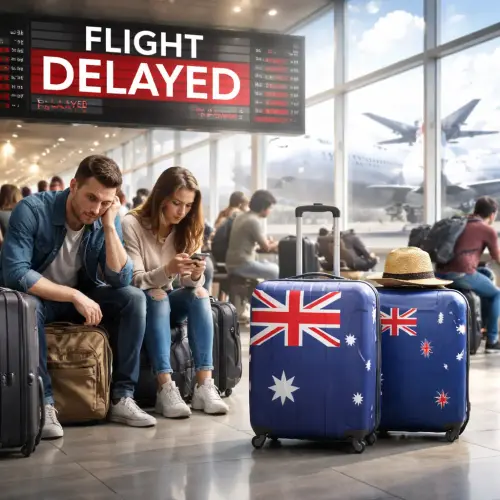
Understanding the Current Wave of Australia New Zealand Flight Delays
The recent surge in flight delays is not an isolated event but a persistent issue affecting the region’s aviation network. Airports are reporting higher-than-average disruption rates, with cascading effects that ripple through domestic and international schedules. For passengers, this means last-minute gate changes, extended waits, and, in many cases, overnight stays. The complexity of the aviation system means a problem in one major hub, like Sydney, can quickly lead to Australia New Zealand flight delays in cities hundreds of miles away.
Monitoring tools and airline apps are showing a sea of orange and red, indicating delayed and cancelled flights. This situation demands that travelers stay informed and flexible. Understanding that these disruptions are systemic is the first step in managing expectations and preparing a contingency plan.
Major Airports Experiencing Disruption
The impact is being felt at the busiest gateways. Sydney Kingsford Smith Airport (SYD) and Melbourne Tullamarine Airport (MEL) have been hotspots for domestic and trans-Tasman flight delays. In New Zealand, Auckland Airport (AKL) has borne the brunt, with Wellington (WLG) and Christchurch (CHC) also experiencing significant schedule interruptions. These hubs are critical connection points, so delays here have a magnified effect on the entire network.
Airlines and Specific Incidents Affected by Flight Delays
No major carrier has been immune. The disruption has created a challenging operational environment for airlines, testing their resilience and customer service protocols.
Qantas and Jetstar Operations
Australia’s flagship carrier, Qantas, along with its subsidiary Jetstar, has cancelled dozens of domestic flights and several key trans-Tasman services. Passengers on popular routes like Sydney-Auckland and Melbourne-Queenstown have faced lengthy flight delays and rebooking queues. The airline has cited a “perfect storm” of factors, including crew availability issues stemming from earlier disruptions.
Virgin Australia and Air New Zealand Challenges
Virgin Australia has also reported significant schedule changes, particularly affecting its Melbourne, Brisbane, and Sydney operations. Across the Tasman, Air New Zealand has been forced to cancel multiple domestic feeder flights, which in turn impacts its international connections. This interdependency is a key feature of Australia New Zealand flight delays, where a short-haul cancellation can strand an international passenger.
Primary Causes Behind Australia New Zealand Flight Delays
The root causes are multifaceted, often layering on top of one another to create major disruptions. It’s rarely just one issue.
Severe Weather and Environmental Factors
Unpredictable weather is the most common culprit. The region has experienced a series of intense storm fronts, bringing high winds, heavy rain, and low visibility to eastern Australia and New Zealand. These conditions make landing and take-off unsafe, forcing ground stops and leading to cascading flight delays. Bushfire smoke haze, while less frequent, has also caused significant operational headaches in the past.
Air Traffic Control (ATC) Strain
During peak travel periods or when weather diverts flights, air traffic control systems can become overloaded. Staffing shortages or technical issues, as have been reported by Airservices Australia, can compound the problem. This ATC pressure leads to ground holding, where planes are kept at departure gates to manage the flow into congested airspace, directly causing Australia New Zealand flight delays.
Operational and Logistical Issues
Beyond weather, airlines are grappling with tight operational margins. Aircraft and crew are scheduled with minimal slack. When one flight is delayed, the aircraft and crew for the next flight may not be in the right place. This “knock-on” effect can disrupt an entire day’s schedule for a single aircraft. Additionally, global supply chain issues continue to affect the timely availability of aircraft parts, leading to unexpected maintenance and last-minute cancellations.
Traveler Rights and Compensation for Flight Delays
Knowing your rights is crucial when facing Australia New Zealand flight delays. Compensation and care obligations differ depending on whether the delay is within the airline’s control.
Your Entitlements Under Australian and NZ Law
For delays within an airline’s control (e.g., mechanical faults, crew scheduling), passengers are entitled to care. This typically includes meals, refreshments, and hotel accommodation for overnight delays. For cancellations, you have the right to a refund or rebooking on the next available flight. If the delay is due to extraordinary circumstances like extreme weather, the airline’s obligations are more limited to reasonable care. The Australian Competition and Consumer Commission (ACCC) provides clear guidelines on these rights. Read also: Industry Updates. Read also: Qatar Airways: Latest News, Flights and Deals for Australian Travellers.
How to Claim Compensation
Start by speaking to airline staff at the airport for immediate care. For compensation claims, gather all documentation: your boarding pass, the new boarding pass for the delayed flight, receipts for any expenses, and communication from the airline. Submit a formal claim through the airline’s website or customer service channel. Be persistent and quote the relevant consumer law, such as the Australian Consumer Law or the Civil Aviation Act in New Zealand.
Practical Advice for Navigating Flight Delays
Being prepared can turn a stressful situation into a manageable one. Here are key steps to protect your journey.
Before You Travel: Proactive Planning
Always check your flight status online before leaving for the airport. Consider booking the first flight of the day, as it is less likely to be affected by earlier flight delays. Ensure your contact details are correct with the airline so you receive SMS or email alerts. Crucially, invest in comprehensive travel insurance that specifically covers trip disruption and Australia New Zealand flight delays.
At the Airport: Steps to Take During a Delay
If your flight is delayed, go to the airline’s service desk immediately, but also use their mobile app to explore rebooking options, which are often faster. Know your rights regarding meal vouchers and accommodation. Stay calm and polite with staff, as they are dealing with hundreds of frustrated passengers. If rebooked, confirm your new seat and baggage arrangements.
Outlook and Updates on the Travel Situation
While airlines are working to stabilize operations, the threat of further Australia New Zealand flight delays remains, particularly with volatile seasonal weather patterns. The aviation industry is in a recovery phase, and systems are under strain. Travelers should anticipate the possibility of disruption for the foreseeable future and build buffer time into their plans, especially when connecting to international flights or important events.
For the latest updates, monitor official sources like the Airservices Australia website for air traffic updates and the Facebook or Twitter accounts of your departing airport. Airlines also provide real-time disruption portals on their websites.
Useful Resources
For official information on passenger rights and making a complaint, visit the Australian Competition and Consumer Commission (ACCC) website.
To check real-time air traffic management updates and notices in Australian airspace, refer to Airservices Australia.
Frequently Asked Questions About Australia New Zealand Flight Delays
What is considered a significant flight delay in Australia and New Zealand?
A delay is generally considered significant if it causes you to miss a connection or arrives more than 3 hours past the scheduled time. For compensation purposes, airlines often have specific thresholds outlined in their conditions of carriage.
Who is responsible for providing food and hotels during a long delay?
If the delay is within the airline’s control (e.g., mechanical issue), they are responsible for providing reasonable care, including meals and accommodation. If it’s due to weather, they may offer assistance but are not always obligated to.
Can I get a refund if my flight is delayed by several hours?
You are typically entitled to a refund only if the airline cancels your flight and you choose not to be rebooked. For a long delay, you may be able to request a refund under consumer law if the service was not provided within a reasonable time, but rebooking is the more common solution.
Does travel insurance cover flight delays in this region?
Most comprehensive travel insurance policies will cover additional expenses (meals, accommodation) incurred due to a covered delay, usually after a waiting period (e.g., 6 hours). Always check the Product Disclosure Statement (PDS) for specific terms.
How can I check if my flight is delayed before going to the airport?
Use the airline’s official website or mobile app, or check third-party flight tracking websites like FlightAware or FlightRadar24. You should also ensure your contact details are up-to-date with the airline to receive SMS or email alerts.
What should I do first if my flight is cancelled at the airport?
Immediately go to the airline’s service desk, but simultaneously use their app to explore rebooking options. Have your booking reference ready. Politely ask about your rights to care (meals, hotel) and alternative routing.
Are some times of day or year worse for flight delays ?
Yes. Early morning flights have a better on-time performance. Peak holiday periods (Christmas, school holidays) and seasons with severe weather (winter storms, summer thunderstorms) see a higher frequency of Australia New Zealand flight delays.
What is the difference between a delay and a cancellation?
A delay means the flight will still operate but later than scheduled. A cancellation means the flight will not operate at all, and you must be rebooked or refunded.
Can I claim compensation for a weather-related delay?
Generally, no. Compensation is typically only required for delays within the airline’s control (operational issues). Weather is considered an “extraordinary circumstance” that usually exempts airlines from compensation payments, though care obligations may still apply.
How long do airlines have to rebook me on a cancelled flight?
Airlines must rebook you on the next available service they operate, or with a partner airline, at no extra cost. There is no set legal timeframe, but it should be done as soon as practicable.
What happens to my checked baggage during a long delay or cancellation?
The airline remains responsible for your baggage. If you are rebooked on a later flight, your bags should be transferred. If you are provided with a hotel, you may need to collect your bags to take with you—confirm this with airline staff.
Are connecting flights protected if my first flight is delayed?
If all flights are on a single ticket with the same airline or alliance, the airline is responsible for rebooking you on alternative connections if you miss yours due to their delay. If you booked separate tickets, you are responsible for the connection.
What are my rights if I’m downgraded due to an aircraft change after a delay?
If you are moved to a lower class of service (e.g., Business to Economy), you are entitled to a refund of the fare difference. The airline should provide this refund automatically or upon request.
Is there a central authority to complain to about airline handling of delays?
In Australia, you can lodge a complaint with the ACCC or the airline’s official dispute resolution scheme. In New Zealand, the Aviation Complaints Commissioner is a relevant body.
Do budget airlines like Jetstar have the same delay obligations as full-service airlines?
Yes, the same core consumer laws regarding care and refunds for cancellations apply to all airlines operating in Australia and New Zealand, regardless of whether they are budget or full-service carriers.
How can I minimize the impact of potential delays when I book?
Book direct flights where possible, allow ample connection time (3+ hours for international connections), choose morning departures, and consider purchasing a fare class that allows easier changes.
What is and quot;crew scheduling and quot; and how does it cause delays?
Crew must adhere to strict legal limits on working hours. If a prior flight is delayed, the crew for your flight may “time out” and become illegal to fly, requiring a replacement crew, which can cause a lengthy delay.
Can an airport itself be the cause of widespread delays?
Yes. Issues like runway closures, baggage system failures, or security processing bottlenecks can cause ground stops that lead to widespread flight delays affecting many airlines at once.
What should I do if the airline’s rebooking option is unsuitable?
Politely discuss alternatives with the agent. If the delay is lengthy and the new flight is the next day, you can request a refund instead and book with another airline, though you may have to cover any cost difference.
Are there apps that can help manage travel during disruptions?
Yes. Besides airline apps, apps like TripIt can consolidate your itineraries and provide alerts. Flight tracking apps like FlightAware give detailed real-time status and can predict potential delays.