

Rumer Willis is unapologetically defending her decision to breastfeed her toddler, pushing back against critics who claim her child is “too old” to nurse and accuse her of oversharing online. By posting candid breastfeeding photos and videos on social media, and calmly responding to backlash, she is helping to normalize extended breastfeeding and challenge the sexualization of women’s bodies.
Her stance reinforces a broader message: parenting choices—especially around feeding—are deeply personal, and should be decided between parent and child, not judged by strangers on the internet.
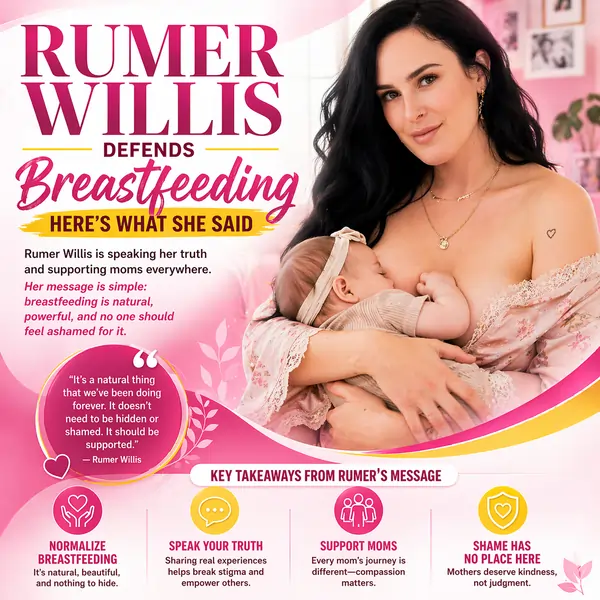
Rumer Willis has sparked a powerful conversation about modern motherhood by refusing to back down when criticized for nursing her toddler in photos and videos shared on social media. As headlines like “Rumer Willis Defends Breastfeeding Her Two-Year-Old Daughter Amid Criticism” show, she has become a high‑profile example of a mother standing firm in her choices despite intense public scrutiny.
Who Rumer Willis Is and Why Her Voice Matters
Rumer Willis is best known as an actress and singer, and as the eldest daughter of Hollywood icons Bruce Willis and Demi Moore. Since welcoming her daughter, Louetta, in 2023, she has increasingly used her platform to talk candidly about pregnancy, birth, postpartum recovery, and the realities of parenting.
Rather than posting only polished, “perfect” images of motherhood, she leans into unfiltered moments: messy hair, tired eyes, and breastfeeding on the go. That authenticity makes her story resonate and is a key reason searches for phrases like “Rumer Willis Defends Breastfeeding” have surged as fans and critics alike debate her approach.
The Viral Posts That Sparked the Backlash
The latest wave of controversy began when Willis shared intimate images and videos of herself breastfeeding her toddler‑aged daughter, now around two to nearly three years old. In some posts, she is simply lounging at home nursing; in others, she is multitasking, such as a widely discussed clip of her breastfeeding while sitting on the toilet—intentionally raw glimpses of everyday life with a young child.
One especially debated moment came when she shared a photo breastfeeding her then‑17‑month‑old with the New York City skyline behind them. While many followers praised the image as beautiful and empowering, a loud group of critics claimed the child was “too old” to be nursing and insisted that such content was “inappropriate” to share online. Parenting outlets like Parents.com have chronicled how quickly those comments escalated into full‑blown mom‑shaming.
What Rumer Willis Actually Said in Her Defense
A calm but firm clapback
In response to comments attacking her choice to continue nursing, Willis posted a now‑viral Instagram Story of herself breastfeeding her two‑year‑old on the couch with text aimed directly at critics. She essentially told the “haters” that she wished them a blessed day—an artful mix of politeness and defiance that made it clear she wasn’t interested in apologizing for feeding her child. Entertainment outlets like E! News highlighted how she used humor and calm confidence instead of anger to make her point.
She has also responded to accusations that she shares breastfeeding content “for attention” by repeating that she posts what feels meaningful to her, and that nursing her daughter is a privilege, not a stunt. In other words, she is not trying to shock people—she is trying to normalize a part of motherhood she considers sacred.
The viral video: “Judging my parenting”
More recently, Rumer Willis doubled down with a video of herself breastfeeding her nearly three‑year‑old daughter, overlaying the clip with text about people “judging my parenting.” Entertainment sites including People and Entertainment Weekly reported that she captioned the post with a blunt “Sorry not sorry,” signaling that she is fully aware of the criticism and entirely uninterested in changing her behavior to appease strangers.
In the clip and related posts, she emphasizes that her primary responsibility is to her child, not to the comfort levels of onlookers. This stance has become a central theme in the ongoing conversation about how celebrities—and mothers in general—are allowed to parent in public.
Calling out the sexualization of breastfeeding
A major piece of Willis’s message is her critique of how society sexualizes breasts. She repeatedly underscores that breasts are first and foremost for feeding children, and that the discomfort some people feel seeing a toddler at the breast is rooted in cultural sexualization, not in anything inherently wrong with the act itself.
Celebrity and pop culture outlets such as Parade and UNILAD have picked up on this angle, pointing out that she is pushing audiences to examine why a child eating should ever be considered “creepy” or “inappropriate.”
Growing Up in a “Naked House”
Part of why Rumer Willis feels so strongly about normalizing breastfeeding comes from her own upbringing. She has described growing up in a “naked house,” meaning her family did not treat nudity or bodies as automatically sexual or shameful. That context shapes her belief that it is perfectly natural to share a photo of a mother feeding her child, even if that child is a toddler.
By being open about that background, Willis draws a line between body acceptance and the harsh judgments often thrown at mothers online. Her message suggests that if we saw bodies—especially women’s bodies—through a lens of function, care, and connection rather than constant sexualization, images of breastfeeding would not draw the same outrage.
Extended Breastfeeding: What’s Really Being Debated
At the core of the “Rumer Willis Defends Breastfeeding” conversation is the issue of extended breastfeeding: nursing a child beyond their first birthday, sometimes well into toddlerhood and beyond. Many critics attacking Willis argue that toddlers are “too old” to breastfeed, but global health guidance tells a different story.
Organizations such as the World Health Organization recommend exclusive breastfeeding for the first six months, followed by continued breastfeeding alongside other foods for up to two years or longer, as long as mother and child desire. Likewise, the American Academy of Pediatrics supports breastfeeding for two years or more. These guidelines provide important context for understanding why some families, including Willis’s, continue nursing well past infancy.
In many cultures around the world, breastfeeding into toddlerhood is common and uncontroversial. The backlash Willis faces exposes how, in certain online communities and Western social circles, arbitrary rules about “appropriate” ages can overshadow evidence‑based recommendations and the lived experiences of mothers.
How Rumer Willis Describes Breastfeeding’s Benefits
Rumer Willis often talks about breastfeeding as one of the deepest joys of her life. She has described it as an experience that strengthens her bond with her daughter and offers both physical nourishment and emotional comfort. Celebrity and parenting coverage frequently quote her describing breast milk as a kind of “miraculous” living substance that adapts to her child’s needs.
This personal view aligns with what major health organizations and lactation experts say about breast milk’s unique composition, even beyond the first year. For parents who want to explore the science, resources from the World Health Organization, UNICEF, and the American Academy of Pediatrics explain how breast milk continues to provide antibodies, nutrients, and immune support, while breastfeeding itself supports closeness, attachment, and emotional regulation.
Willis has also emphasized that she and her daughter will decide together when it is time to wean. That mutual, child‑led approach is a hallmark of many extended breastfeeding families and stands in sharp contrast to the rigid deadlines some strangers try to impose from the sidelines.
Social Media, Shame, and the Policing of Mothers
The Rumer Willis breastfeeding debate highlights how harsh and unforgiving social media can be to mothers. The same images that some followers call “beautiful” and “empowering” are labeled “gross” or “inappropriate” by others. Articles from sites like Parents.com document how the online conversation around her posts quickly turned into mom‑shaming rather than constructive discussion.
This dynamic isn’t unique to Willis. Mothers across platforms encounter criticism for breastfeeding in public, for bottle‑feeding, for nursing “too long,” or for weaning “too early.” Her story simply magnifies the issue because she is famous. By refusing to delete her content or apologize, she exposes just how contradictory and impossible many public expectations of motherhood really are.
Support and Solidarity from Other Parents
It’s important to note that not all the reaction to Willis has been negative. Many parents appreciate that someone with such a visible platform is willing to show the unvarnished reality of extended breastfeeding. Comment sections under coverage by outlets like People, Entertainment Weekly, and Parade include mothers sharing their own experiences nursing three‑, four‑, or five‑year‑olds.
For those parents, seeing “Rumer Willis Defends Breastfeeding” trending is a relief because it means a mainstream figure is finally saying publicly what they’ve felt privately: that extended breastfeeding can be normal, nurturing, and deeply meaningful. That kind of representation can make mothers feel less alone, especially if they have previously hidden their breastfeeding habits out of fear of judgment.
Parenting Autonomy and Boundaries
Another key theme in Willis’s recent posts is the idea of boundaries. When she shared her breastfeeding video with text about people “judging my parenting,” she was effectively drawing a line: outside opinions do not dictate what happens inside her home, especially when it comes to how she feeds and comforts her child.
By adding a caption like “Sorry not sorry,” she makes it clear that she accepts that criticism will come but chooses not to internalize it. Coverage by outlets such as UNILAD has framed this as part of a larger conversation about women setting boundaries with the public, especially when their choices clash with outdated expectations.
Willis often encourages other parents to focus on their relationship with their children instead of the opinions of faceless commenters. That philosophy resonates in an era when so many parenting decisions—from sleep training to feeding choices—are debated and dissected in real time online.
Celebrity, Visibility, and Breastfeeding Advocacy
Because Rumer Willis is a public figure, every move she makes is amplified. That amplification can feel invasive, but it also gives her a unique opportunity to shift the conversation around breastfeeding. When she posts pictures of herself nursing in everyday scenarios and refuses to take them down, she forces a much wider audience to confront their own biases.
Coverage from entertainment and pop‑culture sites such as E! News, People, Entertainment Weekly, Parade, and UNILAD ensures that the debate doesn’t stay confined to niche parenting forums. Instead, it hits mainstream feeds, where viewers who might never have thought about extended breastfeeding are suddenly confronted with it.
This visibility has a ripple effect. It can:
- Normalize images of extended breastfeeding and reduce stigma.
- Encourage other mothers to feel more confident nursing in public.
- Spark more nuanced conversations that separate breastfeeding from sexualization.
Self‑Love, Body Image, and Motherhood
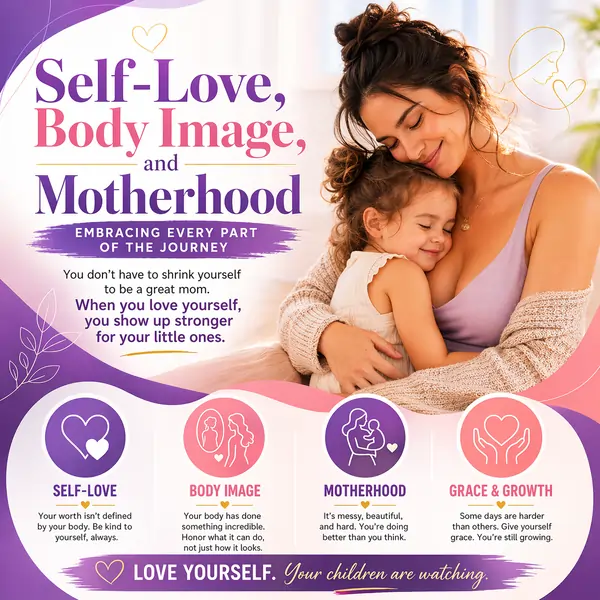
Rumer Willis also ties breastfeeding to self‑love and body acceptance. She has spoken about how pregnancy and postpartum reshaped her body and how important it is to show her daughter what it looks like when a woman respects her own body in all its stages.
By sharing photos of herself breastfeeding without filters or strategic angles, she subtly challenges the idea that mothers must “bounce back” quickly or hide the physical realities of postpartum life. This is especially powerful coming from someone raised in the spotlight, where appearance has always been a subject of public commentary.
When she breastfeeds on camera, she is not only feeding her child; she is also presenting a version of womanhood that values function, connection, and resilience over perfection. That message dovetails with broader movements for body positivity and realistic depictions of motherhood.
Practical Takeaways for Parents Watching the Story
For parents following the “Rumer Willis Defends Breastfeeding” story, a few practical insights stand out:
- There is no single “right” age to stop breastfeeding; decisions can be made based on the needs and comfort of mother and child, informed by resources like the World Health Organization breastfeeding guidance and the American Academy of Pediatrics breastfeeding policy.
- Online criticism often reflects cultural discomfort and misinformation more than any genuine harm caused by extended breastfeeding.
- Seeking out supportive communities—whether through parenting platforms like Parents.com or local breastfeeding groups—can help counteract the negativity that proliferates in anonymous comment sections.
- You are allowed to set boundaries: you do not have to justify your feeding choices to strangers, online or off.
Why Rumer Willis Defending Breastfeeding Matters
In the end, Rumer Willis defending breastfeeding is about much more than a single celebrity Instagram post. It is about a mother insisting that feeding and comforting her child is not shameful, no matter the child’s age or who happens to be watching. It is about challenging a culture that sexualizes women’s bodies while simultaneously judging them for using those bodies for their biological purpose.
By turning her comment sections and headlines like “Rumer Willis Defends Breastfeeding Her Two-Year-Old Daughter Amid Criticism” into teachable moments, she helps normalize extended breastfeeding, spark deeper conversations about body autonomy, and remind parents that their first responsibility is to their children—not to the comfort of critics.
In the end, the way Rumer Willis defends breastfeeding is part of a much bigger cultural shift: women using their own stories to challenge stigma, reclaim their bodies, and push back against narrow ideas of what motherhood should look like. And if you’re interested in how another high‑profile figure is suddenly at the center of intense public discussion, you might also want to read “The Truth About Annabelle Price — What Everyone Is Talking About,” as explored in this in‑depth feature on Annabelle Price.
Frequently Asked Questions About Rumer Willis and Her Breastfeeding Debate
Why is Rumer Willis in the news for breastfeeding?
She went viral after sharing photos and videos of breastfeeding her toddler, sparking debate, criticism, and widespread discussion about extended breastfeeding and mom-shaming.
What does “Rumer Willis defends breastfeeding” mean?
It refers to her public responses defending her choice, where she refuses to apologize, emphasizes parental autonomy, and pushes back against online criticism.
How old is her child?
Her daughter is a toddler (around 2–3 years old), which is why some critics claim she is “too old” to breastfeed.
Why are people criticizing her?
Criticism often comes from:
- Cultural discomfort with extended breastfeeding
- Misconceptions about necessity after infancy
- The sexualization of women’s bodies
What is extended breastfeeding?
Extended breastfeeding means nursing beyond age one, and is supported by organizations like the World Health Organization and American Academy of Pediatrics, which recommend breastfeeding for two years or longer if desired.
What has Rumer Willis said to critics?
She has responded with confidence and humor, making it clear she prioritizes her child’s wellbeing over public opinion and is “not sorry” for her choices.
Is she posting breastfeeding content for attention?
She says no—her goal is to normalize breastfeeding and share authentic moments of motherhood, not to shock or seek controversy.
How does her upbringing influence her views?
She has described growing up in a body-positive environment, where nudity and the human body were not treated as shameful, shaping her comfort with breastfeeding.
What benefits does she highlight?
She emphasizes:
- Nutritional and immune benefits
- Emotional bonding
- Comfort and security for her child
How have other parents reacted?
Reactions are mixed:
- Some criticize her openly
- Others support and feel empowered by her openness
Does her story change medical advice?
No. Medical guidance remains the same, but her story raises awareness of existing recommendations supporting extended breastfeeding.
Is extended breastfeeding safe?
Yes, for healthy families it is generally safe and beneficial, offering ongoing nutrition and emotional support.
Is sharing breastfeeding photos appropriate?
This depends on personal and cultural views. Some see it as normalizing, while others prefer privacy. Willis believes visibility matters.
What bigger issues does this debate highlight?
It touches on:
- Body autonomy
- Sexualization of women’s bodies
- Mom-shaming online
- Parenting choices vs public judgment
What can parents learn from her response?
Parents can take away that it’s important to:
- Follow evidence-based guidance
- Set boundaries with critics
- Prioritize their child over public opinion
Her stance shows that confident, informed parenting decisions matter more than online approval.