

Introduction
The rapid expansion of digital education has transformed how people learn new skills, and language learning is one of the most affected areas.
Over the past decade, mobile technology, online platforms, and artificial intelligence have reshaped the traditional methods of learning languages. Instead of attending classroom-based lessons, millions of learners now rely on mobile applications that offer flexible, personalized, and interactive learning experiences.
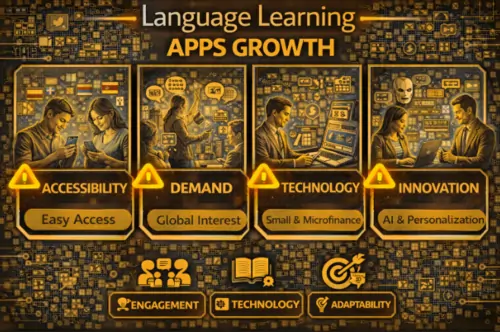
The phenomenon known as language learning apps growth reflects a major shift in the global education landscape. Language learning applications allow users to study anywhere and at any time using smartphones or tablets. These platforms combine gamified exercises, interactive lessons, speech recognition, and adaptive learning technologies to create engaging learning experiences.
The growing demand for multilingual skills in international business, travel, education, and cultural exchange has significantly contributed to the popularity of language learning apps. As globalization continues to connect people across borders, the ability to communicate in multiple languages has become increasingly valuable.
Today, the expansion of language learning apps is not only a technological trend but also a reflection of changing educational needs worldwide.
The Global Market for Language Learning Apps
The global language learning app market has experienced remarkable growth in recent years. In 2024, the market was valued at approximately $6.34 billion and is projected to reach $24.39 billion by 2033, reflecting strong growth driven by rising digital learning adoption.
Several factors contribute to this expansion:
- increasing smartphone usage
- demand for flexible learning solutions
- globalization and international mobility
- the rise of remote education
- growing interest in multilingual communication
The growing accessibility of mobile devices and internet connectivity has made language learning apps widely available to individuals across different regions and income levels.
Key Drivers Behind Language Learning Apps Growth
Globalization and International Communication
One of the strongest drivers of language learning apps growth is globalization. Businesses, universities, and professionals increasingly interact across borders, making language skills more valuable than ever.
As companies expand internationally, employees often need to communicate with colleagues and clients in multiple languages. This demand has significantly increased the number of people seeking language education.
Mobile Technology and Digital Learning
The widespread use of smartphones has revolutionized how people access educational content. Language learning apps allow users to study anytime and anywhere, making learning more flexible than traditional classroom environments.
Mobile learning has also introduced features such as push notifications, gamification, and progress tracking that encourage consistent engagement.
Gamification and Interactive Learning
Many language learning apps use gamification techniques to make learning more engaging. Features such as points, badges, leaderboards, and daily challenges motivate users to continue practicing.
Gamified learning encourages users to build consistent learning habits and improves retention of new vocabulary and grammar concepts.
Artificial Intelligence and Adaptive Learning
Artificial intelligence has significantly enhanced language learning platforms. AI-driven tools can analyze a learner’s performance and adjust lessons accordingly.
Adaptive learning technology provides personalized learning paths that focus on areas where the learner needs improvement. Speech recognition tools also allow users to practice pronunciation and receive instant feedback.
These technological improvements continue to fuel language learning apps growth worldwide.
Popular Language Learning Apps
Several companies dominate the language learning app industry, offering different learning styles and features.
Duolingo
Duolingo is one of the most widely used language learning apps globally. The platform uses gamification and short lessons to help users build daily learning habits. In 2024, the company generated approximately $748 million in revenue, highlighting its dominant position in the market.
Babbel
Babbel focuses on structured language courses designed by language experts. It offers lessons tailored for real-world conversations and practical language use.
Rosetta Stone
Rosetta Stone is one of the earliest digital language learning platforms. Its immersive learning approach emphasizes learning languages without translation.
Busuu and Memrise
Other popular platforms such as Busuu and Memrise combine community interaction, video lessons, and interactive exercises to support language learners.
Together, these platforms have helped expand access to language education worldwide.
Benefits of Language Learning Apps
The popularity of language learning apps continues to rise because they offer several advantages compared with traditional language education.
Flexibility
Users can learn at their own pace and schedule lessons according to their daily routines.
Affordability
Many apps offer free or low-cost learning options, making language education accessible to a wider audience.
Personalization
AI-powered learning systems adapt lessons to each user’s strengths and weaknesses.
Accessibility
Mobile learning allows people in remote or underserved areas to access language education without traditional classroom infrastructure.
These benefits explain why language learning apps growth continues to accelerate globally.
The Role of Technology in Language Learning
Technology plays a major role in transforming language education. Modern language learning apps incorporate several advanced technologies that improve learning outcomes.
These technologies include:
- speech recognition systems
- AI-powered tutors
- augmented reality learning tools
- interactive conversation simulations
- machine learning algorithms for adaptive lessons
These innovations make language learning more immersive and interactive, helping learners practice real-life conversations rather than memorizing vocabulary alone.
The Impact on Education and Professional Development
Language learning apps have expanded opportunities for both students and professionals.
Educational Opportunities
Students can supplement classroom learning with mobile apps, reinforcing lessons through daily practice.
Career Development
Multilingual skills are highly valued in global industries such as business, tourism, diplomacy, and technology.
Learning new languages can improve job opportunities, international collaboration, and career mobility.
Cultural Exchange
Language learning also promotes cultural understanding by allowing individuals to communicate with people from different backgrounds and traditions.
Challenges in Language Learning Apps
Despite their growth, language learning apps face several challenges.
User Retention
Many learners download apps but stop using them after a short period. Maintaining long-term engagement remains a challenge for developers.
Limited Real-Life Practice
While apps provide useful practice, they may not fully replace real-life conversation with native speakers.
Quality Variations
Not all apps provide the same level of educational quality. Some platforms focus more on entertainment than effective learning.
Addressing these challenges will be important as the industry continues to expand.
The Future of Language Learning Apps
The future of language learning apps is closely connected to advances in technology and digital education.
Future developments may include:
- AI-powered conversational tutors
- virtual reality language immersion
- real-time translation tools integrated with learning apps
- social learning communities
- integration with professional development platforms
As digital learning technology continues to evolve, language learning apps are likely to become even more effective and widely used.
Conclusion
The rapid language learning apps growth reflects the increasing demand for accessible and flexible education in a globalized world. Mobile technology, artificial intelligence, and gamified learning systems have transformed how people study languages.
With millions of learners worldwide using these platforms, language learning apps have become an essential part of modern education. As technological innovations continue to improve learning experiences, these apps will likely play an even greater role in helping individuals connect across cultures, expand career opportunities, and participate in the global economy.
FAQ
What is driving language learning apps growth?
Growth is driven by globalization, digital education trends, smartphone adoption, and the demand for multilingual skills.
How big is the language learning app market?
The market was valued at about $6.34 billion in 2024 and is projected to reach over $24 billion by 2033.
What are the most popular language learning apps?
Popular apps include Duolingo, Babbel, Rosetta Stone, Memrise, and Busuu.
Are language learning apps effective?
Yes, many learners find them helpful for vocabulary, grammar, and daily practice, especially when combined with real-life conversation.
Will language learning apps replace traditional education?
While apps provide flexible learning options, they usually complement rather than completely replace traditional language education.