

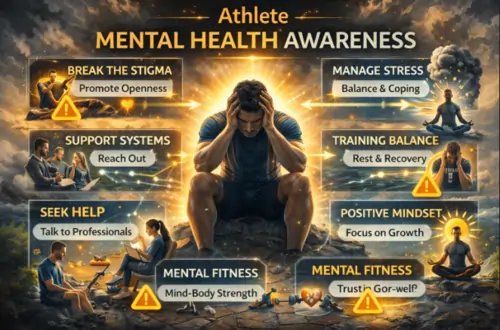
Athletes are often seen as strong, disciplined, and mentally tough. But behind medals, trophies, and scholarships, many athletes silently struggle with pressure, fear, burnout, and emotional stress.
Athlete Mental Health Awareness is about recognizing that mental health is just as important as physical fitness.
In 2026, conversations about Athlete Mental Health Awareness are becoming louder across schools, professional leagues, and even grassroots sports.
From basketball courts in Manila to volleyball tournaments in Cebu, athletes face growing expectations—not just to win, but to perform consistently under public scrutiny.
This guide explains why Athlete Mental Health Awareness matters, what warning signs to watch for, and how athletes, coaches, and families can build healthier sports environments.
What Is Athlete Mental Health Awareness?
Athlete Mental Health Awareness means understanding that:
- Mental health affects performance
- Emotional struggles can happen to anyone
- Seeking help is not weakness
- Psychological safety improves results
Mental health is not the same as mental illness. Every athlete experiences stress. But when stress becomes overwhelming or long-lasting, it can affect sleep, motivation, focus, and confidence.
Athlete Mental Health Awareness promotes early recognition and supportive action before problems become severe.
Why Athlete Mental Health Awareness Is Increasing
Several modern factors make mental health a bigger issue in sports today.
Performance Pressure
Athletes often carry expectations from:
- Coaches
- Parents
- Schools
- Sponsors
- Teammates
- Social media audiences
A single bad performance can feel like public failure.
Scholarship and Career Stress
For many Filipino student-athletes, sports are tied to scholarships and financial support. The pressure to maintain performance can create anxiety about losing opportunities.
Social Media Exposure
Athletes today are more visible. Negative comments, online criticism, and public comparison increase emotional stress.
Injury and Identity Crisis
When athletes get injured, they don’t just lose playing time—they sometimes feel they lose their identity.
Athlete Mental Health Awareness is growing because sports culture is finally acknowledging these hidden pressures.
Common Mental Health Challenges in Athletes
Athletes may experience:
Performance anxiety
Fear of making mistakes during competition.
Burnout
Physical and emotional exhaustion caused by overtraining and lack of rest.
Depression
Persistent sadness, low motivation, and loss of interest.
Eating disorders
Pressure to maintain a specific body type.
Sleep problems
Difficulty sleeping due to stress and training schedules.
Substance misuse
Using alcohol or other substances to cope.
Athlete Mental Health Awareness encourages open discussion about these realities instead of ignoring them.
Warning Signs Coaches and Parents Should Notice
Athletes rarely say, “I’m struggling.” Instead, signs appear in behavior.
Watch for:
- Sudden drop in performance
- Irritability or mood swings
- Withdrawal from teammates
- Skipping practice frequently
- Loss of enjoyment
- Extreme perfectionism
- Changes in appetite or sleep
Athlete Mental Health Awareness means noticing patterns early, not waiting for crisis.
Mental Health and Injury Recovery
Injury is one of the biggest psychological challenges in sports.
When injured, athletes may feel:
- Frustrated
- Useless
- Afraid of losing their position
- Fearful of re-injury
Rehabilitation is not just physical—it is emotional.
Athlete Mental Health Awareness during injury includes:
- Setting small rehab goals
- Staying connected to teammates
- Using visualization techniques
- Consulting sports psychologists when needed
A healthy recovery mindset improves physical healing.
The Role of Coaches in Athlete Mental Health Awareness
Coaches shape team culture.
Positive coaching includes:
- Encouraging effort, not just results
- Allowing athletes to express concerns
- Avoiding humiliation-based motivation
- Managing training load to reduce burnout
- Supporting rest days
Athlete Mental Health Awareness in coaching means balancing discipline with empathy.
When athletes feel safe, they perform better.
Parents and Family Influence
Family support can either strengthen or weaken mental resilience.
Healthy support looks like:
- Encouraging effort over trophies
- Listening without immediate criticism
- Avoiding comparison to other athletes
- Supporting rest and balance
In Filipino culture, family pride can add pressure. Athlete Mental Health Awareness reminds families that emotional safety should come first.
Coping Skills for Athletes
Mental training should be as normal as physical training.
Breathing Techniques
Simple breathing exercises calm nerves before competition.
Visualization
Imagining successful performance increases confidence.
Positive Self-Talk
Replacing “I can’t mess up” with “I’m prepared and focused.”
Journaling
Writing thoughts reduces emotional overload.
Social Media Limits
Limiting exposure to negative comments protects focus.
Athlete Mental Health Awareness encourages athletes to treat these skills as daily practice, not emergency tools.
Athlete Mental Health in Filipino Sports Culture
In many Filipino environments, athletes are told to “tiis lang” (just endure). While resilience is valuable, silent suffering is not strength.
Cultural challenges include:
- Stigma around therapy
- Fear of appearing weak
- Pressure to represent school or family
- Financial expectations tied to sports success
However, awareness is improving. Universities are beginning to offer counseling services. Professional leagues are starting to talk openly about mental well-being.
Athlete Mental Health Awareness in the Philippines is slowly becoming part of sports education.
When Professional Help Is Needed
Some situations require expert support.
Seek professional help if an athlete experiences:
- Persistent sadness
- Panic attacks
- Self-harm thoughts
- Extreme anxiety
- Eating disorder symptoms
- Substance dependence
Consult:
- School counselor
- Sports psychologist
- Licensed psychologist
- Psychiatrist (if medical treatment is needed)
Athlete Mental Health Awareness includes knowing when peer support is not enough.
If there is immediate danger or thoughts of self-harm, contact emergency services or a trusted adult immediately.
Preventive Strategies for Teams
Organizations can build systems that support Athlete Mental Health Awareness.
Practical steps include:
- Mental health workshops
- Access to counseling resources
- Anonymous feedback systems
- Balanced training schedules
- Off-season recovery plans
- Leadership training for team captains
Prevention is more effective than crisis management.
The Future of Athlete Mental Health Awareness
Looking ahead, mental training will likely become standard in sports programs.
Future trends may include:
- Integrated mental and physical performance plans
- AI tools that monitor fatigue and burnout
- More athletes speaking publicly about mental struggles
- League-level mental health policies
Athlete Mental Health Awareness is moving from a “support service” to a core performance pillar.
Why Athlete Mental Health Awareness Matters
Athlete Mental Health Awareness is not about making athletes softer. It is about making them stronger in sustainable ways.
When mental health is protected:
- Focus improves
- Confidence grows
- Team culture strengthens
- Performance becomes more consistent
- Burnout decreases
A healthy athlete performs better than an exhausted one.
FAQs
Why is Athlete Mental Health Awareness important?
Because mental health directly affects performance, confidence, and long-term athlete development.
Can mental health affect athletic performance?
Yes. Anxiety, burnout, and depression can reduce focus, energy, and motivation.
Is seeing a sports psychologist normal?
Yes. Many professional athletes work with sports psychologists as part of training.
How can coaches support struggling athletes?
By creating safe communication spaces, monitoring workload, and encouraging help-seeking.
How can student-athletes manage pressure?
Use breathing exercises, time management, realistic goal-setting, and seek support when needed.