

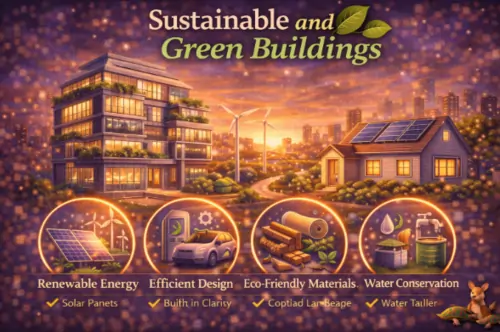
Sustainable and green buildings used to sound like a luxury trend—something only big companies or high-end homes could afford. In 2026, that idea is changing fast. Rising electricity costs, hotter weather, flooding risks, and health concerns (like poor indoor air quality) are pushing more people to look for buildings that are comfortable, efficient, and resilient.
A sustainable building is not just “eco-friendly.” It’s a building designed to perform better over time—using less energy and water, producing less waste, and creating healthier spaces for people.
Whether you’re building a new home, renovating an older one, renting a condo, or developing a commercial property, this guide will help you understand what sustainable and green buildings really are and what practical steps matter most.
What Are Sustainable and Green Buildings?
Sustainable and green buildings are designed to reduce environmental impact while improving comfort, health, and long-term costs.
A simple definition:
- Green building focuses on reducing environmental harm (less energy use, less water use, less waste).
- Sustainable building looks wider, including long-term resilience, health, and economic value.
In real life, the best projects combine both. Sustainable and green buildings are built to:
- Stay cooler and more comfortable
- Lower electricity and water bills
- Reduce damage risk from heat and flooding
- Improve indoor air quality
- Use materials that are safer and longer-lasting
Why Sustainable and Green Buildings Matter in 2026
People are turning to sustainable and green buildings for practical reasons, not just environmental ones.
Rising energy costs and power reliability
Cooling is a major expense in warm climates. A building that needs less air-conditioning saves money every month.
Hotter days and stronger weather events
Design choices like shading, roof insulation, and drainage planning help buildings handle heat and heavy rains better.
Health and indoor air quality
Many people spend most of their time indoors. Materials, ventilation, and moisture control affect respiratory health, allergies, and comfort.
Better property value and buyer demand
More buyers and tenants now ask about energy costs, ventilation, and building resilience. Efficient buildings often hold their value better because operating costs are lower.
Core Principles of Sustainable and Green Buildings
Sustainable and green buildings follow a few core principles that work across homes, schools, offices, and commercial spaces.
Energy efficiency (the biggest win)
Energy efficiency means getting the same comfort using less electricity.
Key strategies include:
Passive design
This is design that reduces heat and improves airflow before you even install appliances.
- Building orientation to reduce direct afternoon sun
- Shading (awnings, trees, screens)
- Insulation for roofs and walls
- Proper window placement and ventilation paths
Efficient lighting and appliances
- LED lighting
- Inverter air conditioners
- Energy-efficient refrigerators
- Timers and smart plugs to reduce standby power
HVAC optimization
For large buildings:
- Well-sized systems (oversized systems waste energy)
- Zoned cooling
- Smart thermostats and sensors
Water efficiency
Water-saving choices reduce bills and reduce pressure on local water supply.
Common features:
- Low-flow faucets and showerheads
- Dual-flush toilets
- Rainwater harvesting for cleaning or gardening (where safe and allowed)
- Greywater reuse in appropriate, regulated systems
Sustainable materials
Materials matter because they affect emissions, indoor air quality, and durability.
Look for:
- Locally sourced materials (lower transport emissions)
- Low-VOC paints and finishes (better indoor air quality)
- Recycled or rapidly renewable materials where practical
- Durable materials that don’t need frequent replacement
Waste reduction and circular design
Sustainable and green buildings aim to reduce waste during construction and after occupancy.
Examples:
- Construction waste segregation and recycling plans
- Modular designs that allow repairs instead of replacements
- Materials that can be reused or recycled
Healthy indoor environment
A green building is not truly green if it makes people sick.
Key factors:
- Good ventilation and airflow
- Daylighting without overheating
- Moisture control to prevent mold
- Thermal comfort (not too hot, not too cold)
- Noise control for better sleep and productivity
Practical Green Building Checklist (Features That Matter)
If you want a quick checklist, these are high-impact features commonly seen in sustainable and green buildings:
- Roof insulation or reflective “cool roof” coating
- Wall insulation in heat-exposed areas
- Window shading (curtains, awnings, louvers, trees)
- Cross-ventilation design (windows positioned for airflow)
- LED lighting throughout
- Efficient appliances (especially cooling and refrigeration)
- Smart meters or energy monitoring (even basic ones)
- Water-saving fixtures
- Rainwater capture for non-drinking uses (when safe)
- Proper drainage and flood-resilient landscaping
- Permeable paving in outdoor areas to reduce runoff
- Solar panels or solar water heaters (when budget allows)
You don’t need everything at once. The best approach is to start with what gives the highest comfort and savings.
Common Certifications (Quick Overview)
Many buildings use certifications to prove performance. You don’t need a certification to build sustainably, but certifications can help standardize and verify.
Some common systems:
- LEED (focus on energy, water, materials, and site sustainability)
- BREEAM (widely used in some regions)
- WELL (focused on health and wellbeing: air, water, lighting, comfort)
- EDGE (often used in emerging markets; focuses on energy, water, and materials efficiency)
For homeowners, the “certification mindset” is still useful: measure, document, and verify improvements rather than relying on marketing language.
Costs, Savings, and ROI
A common question is: are sustainable and green buildings more expensive?
The honest answer: sometimes upfront, yes—but often cheaper over the full life cycle.
Upfront costs may come from:
- Better windows or shading systems
- Roof insulation
- Efficient appliances
- Solar installation
Long-term savings often come from:
- Lower electricity bills
- Lower water bills
- Less maintenance due to durable materials
- Better resale value due to lower operating costs
A smart approach is to prioritize efficiency first. For example, a smaller, efficient cooling system can cost less than a big aircon setup trying to fix a hot, poorly designed home.
Sustainable and Green Buildings in the Philippines (Practical Focus)
For Filipino households and builders, green building design priorities often relate to heat, humidity, and heavy rains.
Design priorities that work well:
- Strong roof insulation or cool roofing
- Shading for east and west-facing walls
- Cross-ventilation to reduce reliance on aircon
- Moisture control to prevent mold
- Elevated or flood-aware site planning in flood-prone zones
- Solar potential where roof space and budget allow
Local materials can also support sustainability by reducing transport and supporting local supply chains—so long as durability is considered.
How to Start (Based on Your Situation)
If you’re a homeowner
Start with upgrades that give immediate comfort and savings:
- Switch to LEDs
- Seal air leaks, improve shading
- Upgrade to inverter aircon when replacing old units
- Add roof insulation or reflective roof coating
- Install low-flow fixtures
If you’re a renter
You can still do a lot without renovating:
- LED bulbs
- Blackout curtains or reflective window film (if allowed)
- Portable dehumidifier in humid rooms
- Smart plugs and timers
- Simple draft blockers and door seals
If you’re building or developing
The biggest wins happen early:
- Design for shade and airflow first
- Choose durable, low-VOC finishes
- Plan construction waste management
- Specify efficient cooling systems and controls
- Consider solar readiness even if solar comes later
Common Mistakes to Avoid
- Installing solar without reducing electricity load first
- Ignoring ventilation and moisture control (leading to mold)
- Choosing “green” materials that don’t last
- Over-automating systems without maintenance plans
- Falling for greenwashing features that don’t reduce energy or water use
The best sustainable and green buildings are simple, well-designed, and easy to maintain.
FAQs
Are green buildings more expensive?
They can cost more upfront, but many save money long-term through lower bills and reduced maintenance.
Do green buildings feel cooler in hot climates?
Yes, especially with shading, insulation, and airflow design. Passive design can significantly reduce indoor heat.
Can old homes be upgraded to be greener?
Yes. Many upgrades are retrofittable, like lighting, insulation improvements, shading, and efficient appliances.
Which upgrades give the fastest savings?
LED lighting, efficient cooling habits, inverter appliances, and shading improvements often deliver quick results.
What is the easiest way to improve indoor air quality?
Improve ventilation, control moisture, reduce mold risk, and choose low-VOC paints and finishes when renovating.