

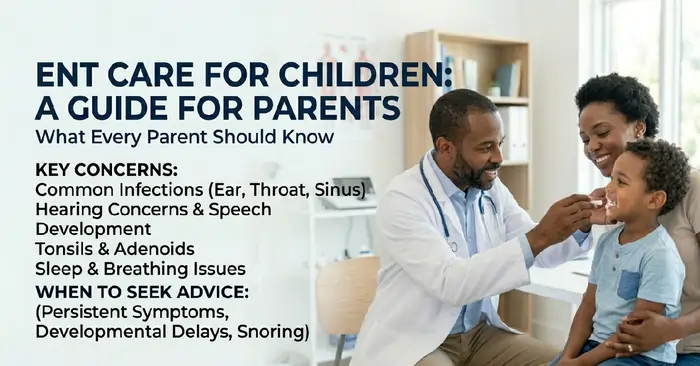
ENT Care for Children. Ear, nose and throat (ENT) conditions are among the most common health concerns in childhood. Because these parts of the body are involved in hearing, breathing, swallowing and speaking, any disturbance can influence everyday wellbeing and development.
Children often experience infections, congestion, or inflammation as part of normal growth. While most issues are mild and temporary, others may persist, recur, or affect sleep and speech. Recognising symptoms early and knowing when to seek medical care helps support healthy growth, comfort and learning.
This guide explains how ENT health affects children, outlines common conditions and symptoms, and describes what parents can expect from assessment and treatment. It is designed for general educational purposes and should not replace professional medical evaluation.
Why ENT Health Is Important in Children
Children experience ENT problems frequently because their anatomy and immune systems are still developing. Several factors contribute to this:
- Their immune defences are less mature, making infection more likely.
- Their ear, nose and sinus passages are smaller and narrower, so swelling can block drainage more easily.
- Group settings such as schools and day care promote exposure to viruses and bacteria.
Ear, nose and throat issues can affect much more than physical comfort. Difficulties with hearing or breathing may influence speech, concentration, or sleep. Because these factors are fundamental to growth and behaviour, early recognition and appropriate management are essential.
Common ENT Conditions in Children
1. Child Ear Infections
Ear infections remain one of the most frequent reasons for young children to visit a doctor. There are two main types:
- Middle ear infection (otitis media): Occurrence behind the eardrum, often after colds or respiratory infections.
- Outer ear infection (otitis externa): Involves the ear canal, more often seen in swimmers or with irritation from objects placed in the ear.
Typical symptoms may include:
- Ear pain or discomfort
- Tugging or pulling at the ear
- Irritability or disturbed sleep
- Fever
- Temporary hearing difficulty or muffled sounds
Mild cases may clear without special treatment, but repeated infections or persistent pain require medical assessment. Frequent ear infections can sometimes lead to fluid buildup or hearing problems if not monitored.
2. Child Hearing Concerns
Hearing is essential for speech development and learning. Even partial hearing loss can affect how a child acquires language and interacts socially.
Possible causes:
- Fluid in the middle ear from infection or congestion
- Recurrent or unresolved ear infections
- Structural issues present at birth
- Genetic conditions
- Excessive earwax or blockage
Signs parents might notice:
- Delayed speech or mispronounced words
- Lack of response when called
- Frequently turning up the volume on devices
- Difficulty following directions
- Seeming inattentive in noisy environments
If any of these signs appear, early hearing evaluation is recommended. Testing can determine whether hearing is affected and whether medical or audiologic support is needed.
3. Child’s Tonsillitis and Enlarged Tonsils
The tonsils, located at the back of the throat, help recognise and fight infections. They can become enlarged or inflamed—a condition known as tonsillitis.
Symptoms of tonsillitis:
- Sore throat or painful swallowing
- Fever and chills
- Red, swollen tonsils that may have a white coating
- Bad breath
- Swollen lymph nodes in the neck
Enlarged tonsils may narrow the airway and cause snoring or pauses in breathing during sleep. While many tonsil infections are viral and resolve naturally, recurring or severe cases may need evaluation, especially if they affect eating or sleep.
4. Child’s Adenoid Enlargement
Adenoids sit behind the nasal cavity and help filter germs. In young children they are relatively large, sometimes leading to blocked airflow.
Symptoms of enlarged adenoids include:
- Persistent nasal congestion despite treatment
- Mouth breathing
- Snoring or noisy sleeping
- Recurrent sinus or ear infections
Adenoids typically shrink as children grow, but persistent enlargement can contribute to sleep problems or ear fluid buildup. Medical review helps determine whether observation, medication, or other approaches are appropriate.
5. Child’s Sinus and Nasal Conditions
Children are also prone to nasal and sinus issues. Because their sinuses are smaller, inflammation or infection can cause noticeable discomfort.
Common conditions:
- Sinusitis: Sinus lining inflammation causing facial pressure or thick nasal discharge.
- Allergic rhinitis (hay fever): Allergic reaction causing sneezing, itching, and congestion.
- Nasal obstruction: Swelling or structural blockage affecting airflow.
Symptoms:
- Runny or blocked nose
- Sneezing or nasal itching
- Facial pressure or headache (in older children)
- Cough due to postnasal drip
While colds are frequent in childhood, congestion lasting for weeks or recurring often warrants further investigation to rule out allergy or chronic sinusitis.
6. Child’s Sleep‑Related Breathing Issues
ENT conditions sometimes interfere with breathing during sleep. Enlarged tonsils, adenoids, or chronic nasal obstruction may lead to obstructive sleep symptoms.
Signs to watch for:
- Loud snoring or pauses in breathing
- Restless sleep or frequent awakenings
- Daytime tiredness or irritability
- Difficulty concentrating or hyperactivity
- Behavioral changes related to poor sleep quality
Sleep‑related breathing problems can affect growth, mood and school performance. Medical evaluation is important when snoring or breathing irregularities are persistent.
When Should Parents Seek Medical Advice?
Many ENT symptoms improve as part of common colds or mild infections. However, certain patterns indicate that a doctor should be consulted.
Persistent symptoms
- Recurrent ear infections or fluid that never clears
- Ongoing nasal blockage or discharge for several weeks
- Sore throat lasting longer than typical viral illness
Hearing or speech concerns
- Delayed speech milestones
- Poor response to sounds or name
- Concerns noted by teachers or caregivers
Breathing and sleep issues
- Regular snoring or mouth breathing
- Trouble breathing through the nose
- Observed pauses or restless sleep
General signs
- Difficulty swallowing or feeding
- Persistent irritability or tiredness
- Symptoms interfering with school or play
A general practitioner (GP) is often the first step in assessment. They can examine your child, offer initial treatment if appropriate, and refer to an ENT specialist when needed for further evaluation.
What to Expect During an ENT Assessment
If referred to an ENT specialist, the consultation usually includes a detailed discussion and gentle examination.
Typical assessment steps:
- Review of symptoms, onset, duration, and effect on daily life.
- Examination of ears, nose, throat, and neck using small lights or instruments.
- Evaluation of hearing or speech if relevant.
- Discussion of medical history, allergies, and previous infections.
Additional investigations might include:
- Hearing tests: Measure sound detection and speech recognition.
- Imaging: Ultrasound, X‑ray, or CT scans if structural issues are suspected.
- Sleep studies: Used when snoring or breathing pauses during sleep need assessment.
The approach depends on your child’s age, symptoms, and overall health.
General Approaches to Management
Treatment plans for ENT conditions in children vary by cause and severity. Some problems improve naturally; others require active management.
Child’s Observation and Monitoring
- Many mild ear or nasal conditions resolve as a child grows.
- Doctors may recommend routine follow‑ups to monitor progress.
- Tracking symptoms over time helps determine whether further care is needed.
Child’s Medical Management
- Medications: Antibiotics (if bacterial infection confirmed), pain relief, or nasal sprays.
- Allergy treatment: Avoiding triggers, antihistamines, or nasal corticosteroids.
- Supportive care: Adequate rest, fluids, and fever management.
Medication use should always follow professional guidance to ensure safety and effectiveness.
Child’s Procedural or Surgical Options
In certain situations, minor procedures may be recommended:
- Ear tube placement: Helps drain fluid and prevent recurrent ear infections.
- Tonsil or adenoid surgery: Considered if enlargement repeatedly affects breathing or sleep.
- Removal of nasal blockage or correction of structural issues.
Such procedures are typically reserved for specific indications after careful assessment. The decision is made collaboratively between healthcare providers and parents, considering benefits and risks.
Supporting Your Child’s ENT Health
Parents can take simple steps to help maintain healthy ears, nose, and throat function.
Everyday preventive tips:
- Encourage thorough handwashing to limit spread of infections.
- Keep your child’s vaccinations up to date, including influenza and pneumococcal immunizations.
- Avoid exposure to cigarette smoke or strong pollutants, which irritate sensitive tissues.
- Manage allergies early through proper medication or environmental control.
- Promote hydration and a balanced diet, supporting immune and mucosal health.
- Ensure your child rests during illness to allow recovery.
Such measures cannot eliminate infections entirely, but they may reduce their frequency and severity.
Helping Children Communicate Symptoms
Younger children may struggle to describe feelings of discomfort or pain. Parents and caregivers often detect problems by observing behaviour.
Signs that may indicate ENT distress:
- Persistent pulling or rubbing of the ears
- Refusal to eat or drink due to throat or swallowing pain
- Crying or irritability that worsens at night
- Changes in voice or speech
- Sleep disturbances or mouth breathing
- Reduced attention or participation at school
Keeping track of when symptoms occur—after meals, during specific seasons, or related to colds—can help healthcare providers identify triggers and choose appropriate management.
ENT Conditions and Child Development
Ear, nose and throat health influences multiple developmental areas.
Child’s Hearing and Speech
Hearing difficulties can delay language acquisition. Early recognition allows for interventions through hearing aids, speech therapy, or medical treatment of ear fluid and infections.
Child’s Sleep and Behaviour
Sleep disruption from snoring or nasal blockage can lead to:
- Fatigue and reduced concentration
- Moodiness or hyperactivity
- Decline in school performance
Child’s Learning and Social Interaction
Children with unaddressed ENT problems may struggle with listening comprehension or classroom instruction. Ensuring good hearing and restful sleep supports both academic success and social engagement.
Early medical attention promotes stable growth and prevents long‑term effects on communication and learning.
The Importance of Early Assessment
Parents sometimes wait for ENT symptoms to resolve on their own. While many infections do, persistent or recurring problems can benefit greatly from early medical review.
Early assessment helps:
- Identify underlying causes and treat them promptly.
- Reduce risk of complications such as hearing loss or chronic inflammation.
- Improve sleep and speech outcomes.
- Provide reassurance and clear information about the condition.
Discussing concerns with your doctor—even if symptoms seem minor—can help ensure your child’s ENT health stays on track.
Working with Healthcare Professionals
Managing ENT conditions in children often involves a collaborative, multidisciplinary approach:
- General practitioners (GPs) provide initial evaluation and guidance.
- ENT specialists perform detailed assessment and interventions when needed.
- Audiologists test hearing and fit hearing aids when necessary.
- Speech and language therapists assist with speech development affected by hearing or voice problems.
This teamwork ensures care is tailored to each child’s specific situation, balancing observation, treatment and developmental support.
Frequently Asked Questions (FAQ)
- What are common ENT problems in children?
Common ENT problems in children include ear infections, hearing concerns, tonsillitis, enlarged adenoids, sinus issues, nasal blockage, and sleep-related breathing problems. - Why are ENT problems so common in children?
Children are more likely to get ENT problems because their immune systems and airway structures are still developing. - What are signs of an ear infection in a child?
Signs may include ear pain, tugging at the ear, irritability, poor sleep, fever, and temporary hearing changes. - When should a child’s ear infection be checked by a doctor?
A doctor should check the ear if the pain is severe, infections keep returning, or symptoms do not improve. - What are signs of hearing loss in children?
Signs include delayed speech, not responding when called, turning up the volume, and difficulty following directions. - Why is hearing important for child development?
Hearing supports speech development, language learning, and social interaction. - What is tonsillitis in children?
Tonsillitis is inflammation of the tonsils, often caused by a viral or bacterial infection. - What symptoms can tonsillitis cause?
Symptoms may include sore throat, fever, painful swallowing, bad breath, swollen tonsils, and neck gland swelling. - Can enlarged tonsils affect sleep?
Yes, enlarged tonsils can narrow the airway and cause snoring or breathing pauses during sleep. - What are adenoids?
Adenoids are tissue behind the nose that helps filter germs, but they can become enlarged in children. - What symptoms can enlarged adenoids cause?
They can cause persistent nasal congestion, mouth breathing, snoring, and repeated ear or sinus infections. - What are common sinus and nasal problems in children?
Common problems include sinusitis, allergic rhinitis, and nasal obstruction. - What are signs of sinus or nasal issues in children?
Signs may include a runny or blocked nose, sneezing, nasal itching, facial pressure, and cough from postnasal drip. - What are sleep-related breathing issues in children?
These are breathing problems during sleep that may cause loud snoring, pauses in breathing, restless sleep, or daytime tiredness. - Why are sleep problems from ENT issues important?
Poor sleep can affect growth, mood, concentration, and school performance. - When should parents seek medical advice for a child’s ENT symptoms?
Parents should seek medical advice if symptoms are persistent, keep returning, affect hearing or speech, or interfere with sleep or eating. - What should parents do if their child has delayed speech?
A hearing evaluation should be considered, because hearing problems can affect speech development. - How are ENT conditions in children assessed?
Assessment usually includes a medical history, examination of the ears, nose, throat, and sometimes hearing tests or sleep studies. - How are childhood ENT problems treated?
Treatment may include monitoring, medications, allergy management, ear tubes, or tonsil and adenoid surgery in some cases. - How can parents help support their child’s ENT health?
Parents can encourage handwashing, keep vaccinations up to date, avoid smoke exposure, manage allergies, and ensure good hydration and rest.
Final Thoughts – ENT Care for Children
Ear, nose and throat conditions are a normal part of growing up, and most can be managed effectively. While infections, congestion and minor irritations commonly improve with time, ongoing or severe symptoms should not be overlooked.
For parents, understanding how ENT problems present—and knowing when to seek medical advice—builds confidence and supports children’s comfort, communication and overall wellbeing.
If your child experiences persistent ear pain, hearing difficulties, snoring or throat issues, speak with your GP. They can assess your child’s symptoms and advise whether ENT specialist referral, medical treatment, or simple monitoring is appropriate.
Disclaimer
This information in realceostories.com is general in nature and is intended for educational purposes only. It does not replace professional medical advice, diagnosis or treatment. Always seek the guidance of a qualified healthcare provider regarding your individual circumstances.
For your particular condition, it is important to consult a qualified healthcare professional for personalized medical advice. Dr. Brett Leavers is a licensed medical practitioner and a Fellow of the Royal Australasian College of Surgeons (FRACS). Additional information can be found at https://drleavers.com.au/.