

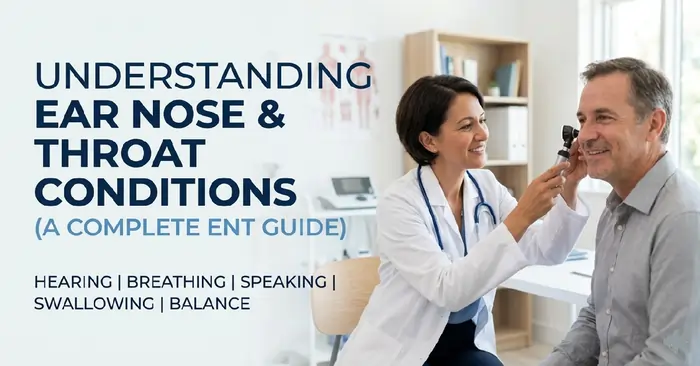
Ear, nose and throat conditions plays an important role in many of the functions people rely on every day, including hearing, breathing, speaking, swallowing and balance. Because these systems are closely connected, problems in one area can sometimes affect another. A blocked nose may contribute to ear pressure, for example, while throat inflammation can influence voice quality or swallowing comfort.
ENT specialists, also known as otolaryngologists, are doctors who diagnose and manage conditions affecting the ears, nose, throat, and related structures in the head and neck. Their work covers a broad range of symptoms and conditions, from common infections to more complex ongoing concerns. This guide offers general information about ENT conditions, common symptoms, possible assessment methods and when medical advice may be helpful.
It is not intended to replace a professional diagnosis. If you have persistent, severe or unusual symptoms, it is important to speak with a qualified healthcare provider.
What Is ENT?
ENT stands for ear, nose and throat, and the medical specialty is called otolaryngology. It focuses on the structures involved in hearing, breathing, smell, voice, swallowing and airway function.
An ENT specialist may assess:
- The ears, including hearing and balance.
- The nose and sinuses, including airflow and smell.
- The throat, including the voice box, swallowing function and airway.
- The head and neck, including glands, lymph nodes and soft tissues.
These areas are interconnected, which means symptoms can overlap. For instance, sinus congestion may cause ear fullness, and throat irritation may be linked to reflux, infection or vocal strain. Because of this overlap, a careful evaluation is often needed to identify the underlying cause.
Common Ear Conditions
Ear-related symptoms are common and can affect people at any age. Some problems are short-lived, while others may require ongoing management or further assessment.
Common ear conditions include:
- Hearing loss, which may be gradual or sudden.
- Ear infections, which can affect the outer or middle ear.
- Tinnitus, or ringing, buzzing or hissing sounds in the ear.
- Balance problems, dizziness or vertigo.
- Earwax buildup, which can affect hearing and comfort.
- Ear pain or pressure.
Hearing changes can happen for several reasons, including ageing, exposure to loud noise, infections, earwax blockage or underlying medical conditions. In some cases, hearing loss may develop slowly enough that a person does not notice it immediately. A family member may be the first to observe that the person is asking others to repeat themselves or turning the television up louder than usual.
Sudden hearing loss, severe ear pain, discharge from the ear or dizziness that affects daily activities should not be ignored. These symptoms may need prompt medical assessment.
Common Nose and Sinus Conditions
The nose and sinuses help filter, humidify and move air through the respiratory system. They also contribute to the sense of smell. When these areas become inflamed or blocked, a person may experience discomfort and breathing difficulty.
Common nasal and sinus conditions include:
- Sinusitis, which is inflammation of the sinuses.
- Allergic rhinitis, often called hay fever.
- Nasal obstruction or chronic blocked nose.
- Nasal polyps.
- Nosebleeds.
- Reduced or lost sense of smell.
Symptoms may include congestion, facial pressure, postnasal drip, nasal discharge, headache and trouble breathing through the nose. In many cases, these symptoms improve with time or basic treatment. However, frequent sinus infections, ongoing congestion or a blocked nose that does not improve may require further evaluation.
Allergies are a common cause of nasal symptoms. Environmental triggers such as dust, pollen, mold or animal dander can lead to inflammation and recurring discomfort. In other cases, structural issues such as a deviated septum or nasal polyps may contribute to persistent blockage.
Common Throat Conditions
The throat plays a central role in breathing, speaking and swallowing. Because of this, throat conditions can have a noticeable impact on daily life.
Common throat-related concerns include:
- Sore throat and infections such as tonsillitis.
- Hoarseness or voice changes.
- Difficulty swallowing.
- Chronic cough.
- Throat clearing.
- Tonsil enlargement.
Occasional sore throats are common, especially during viral illnesses. Voice changes may also happen after talking for long periods, during a cold or after shouting. But if symptoms continue for more than a few weeks, worsen over time or interfere with eating, speaking or breathing, medical advice is appropriate.
Persistent hoarseness may have several causes, including voice strain, reflux, infection, allergies or, less commonly, a more serious condition affecting the vocal cords. Difficulty swallowing should also be evaluated, especially if it leads to weight loss, choking, pain or the feeling that food is sticking in the throat.
Head and Neck Conditions
ENT specialists also assess a range of head and neck concerns. These may not always cause pain, so they are sometimes noticed only when someone feels a lump or swelling.
Examples include:
- Neck lumps or swelling.
- Thyroid nodules.
- Salivary gland disorders.
- Enlarged lymph nodes.
- Masses or lesions in the mouth or throat.
Many lumps are harmless, such as swollen glands during infection. However, new or persistent swelling should always be checked to determine the cause. An assessment may be needed if a lump is growing, hard, painful, fixed in place or associated with other symptoms such as fever, weight loss, sore throat or voice changes.
Early evaluation can help identify whether the issue is due to infection, inflammation, a benign growth or another condition that may need further treatment.
When To Seek Medical Advice
Many ENT symptoms are mild and temporary, but certain signs deserve medical attention. You should consider speaking with a healthcare professional if you have:
- Symptoms lasting longer than a typical illness.
- Recurrent infections or repeated flare-ups.
- Hearing loss or noticeable changes in hearing.
- Persistent ear pain, discharge or pressure.
- A blocked nose that does not improve.
- Sinus symptoms lasting several weeks.
- Ongoing throat pain or hoarseness.
- Difficulty swallowing or breathing.
- An unexplained lump in the neck.
- Dizziness that is severe or recurring.
- Frequent nosebleeds or one-sided nasal symptoms.
A general practitioner is often the first point of contact. They can assess your symptoms, provide initial treatment if appropriate and decide whether a referral to an ENT specialist is needed. Urgent care may be necessary for sudden hearing loss, trouble breathing, severe swelling or other concerning symptoms.
What To Expect During An ENT Assessment
An ENT assessment usually begins with a discussion of your symptoms and medical history. The doctor may ask:
- When the symptoms started.
- Whether they are constant or come and go.
- What makes them better or worse.
- Whether there are related symptoms such as fever, pain, dizziness, hearing changes or weight loss.
- Whether you have allergies, reflux, smoking exposure or a history of frequent infections.
The physical examination may involve looking into the ears, nose and throat with specialized instruments. In some cases, the ENT doctor may use a thin camera, called an endoscope, to examine the nasal passages, throat or voice box more closely.
Depending on your symptoms, further tests may be recommended, such as:
- Hearing tests.
- Tympanometry to assess middle ear function.
- Imaging such as CT or MRI scans.
- Swabs or cultures for infection.
- Allergy testing in some cases.
- Biopsy if a suspicious lump or lesion needs further evaluation.
The specific tests used will depend on your symptoms and what the examination shows. Not everyone needs extensive testing.
General Approaches To Management
ENT treatment depends on the diagnosis, severity of symptoms and the individual’s overall health. Some conditions improve with simple measures, while others need medication, procedures or surgery.
Non-surgical approaches may include:
- Observation and regular monitoring.
- Antibiotics for certain bacterial infections.
- Anti-inflammatory medication.
- Allergy treatment.
- Nasal sprays or ear drops.
- Reflux management when relevant.
- Hydration, rest and symptom relief.
- Avoiding triggers such as smoke or allergens.
In some cases, procedural or surgical treatment may be considered. Examples include removing tonsils, placing ear tubes, treating nasal polyps or correcting structural problems that affect breathing or hearing. These options are usually recommended only after careful assessment.
Because the best approach depends on the cause of symptoms, individual evaluation is important. Two people with similar complaints may need very different care.
ENT Health In Children
Children commonly experience ENT conditions because their airways, ears and immune systems are still developing. Recurrent colds, enlarged tonsils and ear infections are especially common during childhood.
Common ENT concerns in children include:
- Ear infections.
- Fluid in the middle ear.
- Hearing concerns.
- Enlarged tonsils or adenoids.
- Recurrent sore throats.
- Snoring or disturbed sleep.
- Delayed speech or language development linked to hearing problems.
Parents and caregivers should seek medical advice if a child has frequent ear pain, repeated infections, speech delay, poor hearing response, breathing difficulty during sleep or ongoing snoring. In some cases, ENT problems can affect sleep, learning and development, so early assessment may be helpful.
Preventing ENT Problems
Not every ENT condition can be prevented, but some healthy habits may reduce risk or help limit flare-ups.
Helpful measures include:
- Avoiding prolonged exposure to loud noise.
- Using hearing protection in noisy environments.
- Washing hands regularly to reduce infections.
- Managing allergies where possible.
- Avoiding smoking and second-hand smoke exposure.
- Staying hydrated.
- Seeking care early when symptoms persist.
These steps do not guarantee prevention, but they may support overall ear, nose and throat health and reduce the chance of complications.
Why Individual Assessment Matters
ENT symptoms often overlap. Nasal blockage, for example, may be caused by allergies, infection, structural issues or polyps. A sore throat might come from a virus, reflux, irritation or a vocal cord problem. Because of this, symptoms alone are not always enough to identify the cause.
That is why a proper assessment matters. A healthcare professional can:
- Review your symptoms carefully.
- Examine the affected area.
- Order tests if needed.
- Help rule out more serious causes.
- Recommend suitable treatment or monitoring.
Getting the right diagnosis before treatment helps avoid unnecessary medication and supports safer care.
Working With Your Healthcare Team
ENT care often involves several types of healthcare professionals. Depending on the issue, your care team may include:
- A general practitioner.
- An ENT specialist.
- An audiologist.
- A speech and language therapist.
- A dietitian, in some swallowing-related cases.
This team-based approach helps tailor treatment to the person’s needs. For example, someone with hearing loss may need both medical evaluation and a hearing test, while someone with voice changes may benefit from ENT review and speech therapy.
Frequently Asked Questions (FAQ)
- What does ENT stand for?
ENT stands for ear, nose, and throat. - What is otolaryngology?
Otolaryngology is the medical specialty that focuses on the ears, nose, throat, head, and neck. - What kinds of problems does an ENT specialist treat?
An ENT specialist treats hearing loss, ear infections, sinus problems, throat conditions, voice changes, swallowing difficulties, and some head and neck concerns. - When should I see a doctor for ear pain?
You should see a doctor if ear pain is severe, lasts for several days, or comes with hearing loss, fever, discharge, or dizziness. - What are common symptoms of hearing loss?
Common symptoms include asking people to repeat themselves, turning up the volume, trouble following conversations, and difficulty hearing in noisy places. - What causes tinnitus?
Tinnitus can be caused by hearing loss, loud noise exposure, earwax buildup, infections, or other medical conditions. - What is sinusitis?
Sinusitis is inflammation of the sinuses that can cause congestion, facial pressure, headache, and nasal discharge. - What is allergic rhinitis?
Allergic rhinitis is an allergic reaction that causes sneezing, a blocked nose, runny nose, and itchy eyes. - What causes a blocked nose?
A blocked nose may be caused by allergies, infections, nasal polyps, a deviated septum, or sinus inflammation. - When is a sore throat a concern?
A sore throat is a concern if it lasts more than a few weeks, keeps returning, or comes with swallowing problems, fever, or voice changes. - What causes hoarseness?
Hoarseness can be caused by voice strain, infections, reflux, allergies, or irritation of the vocal cords. - What should I do if I have trouble swallowing?
Difficulty swallowing should be checked by a healthcare provider, especially if it causes choking, pain, weight loss, or food getting stuck. - What are neck lumps?
Neck lumps may be swollen glands, thyroid nodules, cysts, or other growths that should be evaluated if they persist or change. - Are ear infections common in children?
Yes, ear infections are common in children because their ears and immune systems are still developing. - Can ENT problems affect speech and learning in children?
Yes, hearing problems, enlarged tonsils, and recurrent infections can affect speech, sleep, and learning. - What tests might an ENT doctor order?
An ENT doctor may order hearing tests, imaging scans, swabs, allergy tests, or a biopsy if needed. - What is an endoscope in ENT care?
An endoscope is a thin camera used to look closely at the nose, throat, or voice box. - How are ENT conditions treated?
Treatment may include observation, medication, nasal sprays, ear drops, allergy management, or surgery in some cases. - Can ENT problems be prevented?
Not all ENT problems can be prevented, but good hygiene, allergy control, hearing protection, and avoiding smoke can help reduce risk. - Why is early assessment important for ENT symptoms?
Early assessment can help find the cause of symptoms, prevent complications, and guide the right treatment.
Final Thoughts
Ear, nose and throat conditions are common and can affect people of all ages. Many symptoms are minor and temporary, but some require medical evaluation to identify the cause and prevent complications. Because ENT problems can affect hearing, breathing, speech, swallowing and sleep, even seemingly small symptoms can have a meaningful impact on daily life.
If you are dealing with persistent or unusual symptoms, a general practitioner can help determine whether further assessment is needed and whether referral to an ENT specialist may be appropriate. Seeking advice early can support better understanding of your symptoms and guide the next steps in care.
Disclaimer
This information in realceostories.com is general in nature and is intended for educational purposes only. It does not replace professional medical advice, diagnosis or treatment. Always seek the guidance of a qualified healthcare provider regarding your individual circumstances.
For your particular condition, it is important to consult a qualified healthcare professional for personalized medical advice. Dr. Brett Leavers is a licensed medical practitioner and a Fellow of the Royal Australasian College of Surgeons (FRACS). Additional information can be found at https://drleavers.com.au/.