

Michael J. Fox reassured fans he’s “ok” after CNN accidentally published a pre-produced tribute video that briefly made it seem he had died. The beloved Back to the Future star quickly addressed the mix-up with humor on social media, while CNN pulled the segment and apologized, turning a frightening death scare into a reminder to fact-check shocking celebrity “news” before sharing it.
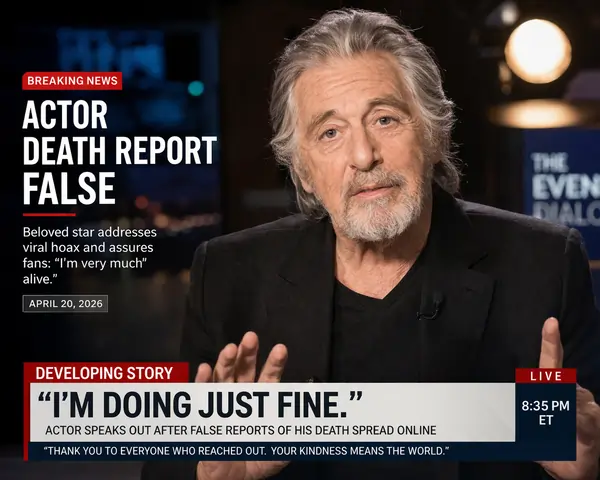
When headlines and social media posts started suggesting that Michael J. Fox had died, millions of fans around the world held their breath. The beloved Back to the Future star, who has lived with Parkinson’s disease for more than three decades, suddenly found himself at the center of a frightening mix-up after CNN accidentally published a tribute video package about his life.
Within hours, Michael J. Fox personally reassured fans that he was alive, “ok,” and even able to joke about waking up to his own apparent obituary. In this in-depth guide, we’ll unpack exactly what happened, how Fox responded, what CNN has said, and what this episode reveals about celebrity death scares, digital newsrooms, and the importance of fact-checking in 2026.
What Happened in the CNN Death Scare
In early April 2026, CNN briefly published a pre-produced tribute video titled “Remembering the life of actor Michael J. Fox” across its platforms, including distribution partners, creating the appearance that Michael J. Fox had died. This package drew on archival footage, interviews, and clips from his career as Alex P. Keaton on Family Ties and Marty McFly in Back to the Future.
The video, which appeared online on April 8, was quickly noticed by viewers and shared on social networks, prompting alarm and confusion. Entertainment outlets and social media users began to question whether the 64-year-old actor had passed away, given his long public battle with Parkinson’s disease.
According to multiple reports, the tribute was intended as a pre-packaged obituary segment that news organizations routinely prepare for major public figures, but it was accidentally published before its time. CNN later confirmed that the video was released “in error” and removed it from its platforms.
Michael J. Fox’s Response: “I’m Ok”
Rather than letting speculation spiral, Michael J. Fox addressed fans directly on social media. On Threads, he wrote a post that captured both his shock and his trademark dry humor:
- He asked, “How do you react when you turn on the TV and CNN is reporting your death?”
- He concluded with reassurance: “I thought the world was ending, but apparently it’s just me and I’m ok. Love, Mike.”
This simple, personal message quickly went viral, cutting through the noise and confirming that Michael J. Fox was alive and doing well. Entertainment outlets from People to Good Morning America noted how Fox used humor to calm fears and put the situation into perspective.
Reports also highlighted that Fox was recently seen in public, including an appearance at PaleyFest, where he was onstage and giving interviews. His representatives told TMZ that “Michael is doing great,” adding further reassurance for fans.
CNN’s Explanation and Apology
After the premature tribute triggered a wave of concern, CNN issued an official apology. A spokesperson for the network acknowledged the error and emphasized that the footage had been removed.
In statements reported by outlets including Entertainment Weekly, People, and ABC News, CNN said:
“The package was published in error; we have removed it from our platforms and send our apologies to Michael J. Fox and his family.”
Key points from CNN’s response:
- The network acknowledged the mistake and did not attempt to deny or minimize what happened.
- The tribute, while premature, was described as respectful and focused on Fox’s legacy as an actor and Parkinson’s advocate.
- CNN moved quickly to pull the video once the error was discovered.
This episode underscores how even major, established outlets can have content pushed live unintentionally, particularly in complex digital publishing systems.
Why Michael J. Fox Matters to So Many
Part of what made the death scare so emotionally charged is the unique place Michael J. Fox holds in popular culture. For more than four decades, he has been both a cherished performer and one of the most visible advocates for Parkinson’s disease research.
Acting Legacy
- Breakout role as Alex P. Keaton on Family Ties in the 1980s.
- Iconic star turn as Marty McFly in the Back to the Future trilogy.
- Later work in shows such as Spin City and numerous guest appearances.
Parkinson’s Advocacy
Diagnosed with Parkinson’s disease in the early 1990s and publicly disclosing it in 1998, Fox has spent decades raising awareness and funding for research. His Michael J. Fox Foundation for Parkinson’s Research has become one of the most influential organizations in the field, reportedly funding over $1 billion in research programs.
For those interested in Parkinson’s disease and research progress, the foundation’s official site at michaeljfox.org offers detailed resources and updates.
Because of this dual role—as a nostalgic figure from beloved films and as a symbol of resilience—any rumor about Fox’s health or death lands with extra emotional weight.
Death Hoaxes and Premature Obituaries in the Digital Age
While the CNN incident involved a real tribute package accidentally published, it sits alongside a wider phenomenon: celebrity death hoaxes and false reports that spread rapidly online.
What Is a Death Hoax?
A death hoax is a false report of someone’s death that is later shown to be untrue. These hoaxes can be malicious, satirical, or simply the result of mistaken identity or misreporting. In some cases, old or speculative content gets resurfaced and misinterpreted as current news.
The Reuters Institute and other media research bodies have noted that verifying celebrity death reports has become a recurring challenge for newsrooms in the era of viral misinformation. Stories can begin with a single tweet or doctored screenshot and spiral into trending topics within minutes.
Premature Obituaries
Major news organizations routinely prewrite obituaries and tribute packages for notable figures so they can respond quickly and comprehensively when news actually breaks. This is standard practice, not evidence of conspiracy, but it does introduce risk if content is mishandled, mislabeled, or accidentally pushed live—as happened in the Michael J. Fox case.
The Michael J. Fox incident shows that:
- Even legitimate, respectfully produced content can become dangerous misinformation when published at the wrong time.
- Transparency and swift corrections are critical to preserving trust.
For a broader look at misinformation and verification strategies, resources like the BBC’s fact-checking guidelines and university guides on spotting fake news, such as the University of Tampa’s “Fake News & Misinformation” toolkit, are valuable reference points.
How the Michael J. Fox Mix-Up Spread Online
The Michael J. Fox scare followed a now familiar pattern for high-profile misinformation events.
- Initial Trigger: CNN’s tribute video and article briefly appeared under a title implying Fox had died.
- Social Media Amplification: Viewers screenshotted headlines and video titles, sharing them on platforms like X, Threads, and Facebook.
- Secondary Coverage: Outlets like TMZ, USA Today, and Yahoo Entertainment quickly picked up the story, clarifying that Fox was alive but referencing the CNN mistake.
- Official Clarification: Fox’s own statement on Threads and his reps’ comments to major outlets became definitive proof he was okay.
- Post-Mortem Analysis: Websites and commentators analyzed what went wrong and folded the incident into wider discussions about digital publishing and fake news.
Because both CNN and Michael J. Fox responded quickly, the lifespan of the false narrative was relatively short, but for a few hours, fans experienced real anxiety and confusion.
Media Responsibility and Fact-Checking Standards

This incident reinforces why media responsibility and robust editorial workflows still matter in a news environment dominated by speed and engagement metrics.
Editorial Safeguards
Best practices in reputable newsrooms include:
- Multi-step publishing checks, especially for sensitive content like obituaries.
- Use of staging environments where materials can be previewed without going live.
- Clear labeling of draft, embargoed, or pre-written pieces.
- Internal policies requiring high-level approval for death-related coverage.
The BBC, for example, has detailed internal procedures for verifying death reports, including confirmation from multiple authoritative sources before publishing. When these checks fail—or when a technical error bypasses them—the result can be exactly the kind of scare we saw with Michael J. Fox.
Rebuilding Trust After Errors
When mistakes happen, research on media trust suggests that the most constructive responses include:
- Fast, unambiguous corrections.
- Transparent explanations of what went wrong.
- Clear apologies to the individuals affected.
CNN’s apology to Fox and his family, alongside the rapid removal of the package, aligns with these principles, even though the error itself was serious.
How Fans Can Fact-Check Celebrity Death Rumors
For readers who want to avoid being misled the next time a rumor spreads about a beloved figure like Michael J. Fox, there are practical steps you can take.
Quick Fact-Check Checklist
When you see a headline claiming a celebrity has died:
- Check the date on the article or post; old content frequently recirculates as “new.”
- Look for confirmation from multiple reputable outlets (AP, Reuters, major networks) rather than relying on a single source.
- Visit the celebrity’s official channels (verified social media accounts, official website, or foundation page) to see if there is a statement.
- Beware of screenshots—they’re easy to fake. Click through to the actual website, and inspect the URL and site design.
- Use fact-checking resources, such as Snopes or media literacy hubs like the University of Tampa guide mentioned above, to validate extraordinary claims.
By taking two or three minutes to verify, you can reduce the spread of misinformation and protect yourself—and others—from unnecessary panic.
Pro Tips and Expert Insights
This section pulls together key takeaways for readers, media consumers, and even content creators reacting to stories about Michael J. Fox and similar incidents.
For Fans and General Readers
- Pause before sharing: If a headline shocks or upsets you, that emotional trigger is exactly why it spreads—fact-check before amplifying it.
- Follow primary sources: For high-profile figures like Michael J. Fox, prioritize direct statements from the person, their verified representatives, or official foundations.
- Remember prewritten obits exist: Seeing a polished tribute doesn’t always mean someone has died; it may be an error in timing rather than a confirmed event.
For Journalists and Content Creators
- Implement clear “red flag” workflows around death-related content, with extra layers of review and explicit “do not publish” labeling for draft obituaries.
- When reporting on mistakes by other outlets, emphasize corrections and the person’s actual status in the headline and opening lines to avoid perpetuating confusion.
- Use incidents like the Michael J. Fox mix-up to educate audiences about media literacy rather than solely driving outrage.
For Health and Advocacy Communities
Because Michael J. Fox is closely associated with Parkinson’s advocacy, false reports about his death can have ripple effects on patient communities. Health nonprofits and advocacy groups can:
- Rapidly share verified updates on social channels when rumors arise.
- Use these moments to direct attention back to credible medical information from organizations like the National Institutes of Health or Parkinson’s Foundation.
FAQ: Michael J. Fox and the CNN Death Scare
1. Is Michael J. Fox alive?
Yes. Michael J. Fox has publicly reassured fans that he is “ok” after CNN accidentally posted a tribute video that made it appear he had died.
2. What did CNN do wrong?
CNN mistakenly published a pre-produced tribute package titled “Remembering the life of actor Michael J. Fox,” which should not have been released while he is alive.
3. How did Michael J. Fox respond?
He posted on Threads, jokingly asking how to react when you see a report of your own death, and concluded by saying he thought the world was ending, “but apparently it’s just me and I’m ok. Love, Mike.”
4. Did CNN apologize to Michael J. Fox?
Yes. A CNN spokesperson said the package was “published in error” and that the network removed it and apologized to Michael J. Fox and his family.
5. Why does the media have prewritten obituaries?
Major outlets prewrite obituaries and tributes for prominent figures so they can publish detailed, accurate coverage quickly when someone actually dies. This is standard practice across the industry.
6. Was this a death hoax?
Not exactly. A death hoax usually involves a deliberately false claim spread online, often by pranksters or malicious actors. In this case, the content came from a legitimate outlet but was published prematurely by mistake.
7. Has Michael J. Fox commented on his health recently?
Recent coverage surrounding the incident emphasizes that Michael J. Fox is doing “great,” with his representatives pointing to his public appearances, including a recent PaleyFest event.
8. How old is Michael J. Fox now?
Michael J. Fox is 64 years old as of 2026.
9. Where can I find reliable updates about Michael J. Fox?
Look to major, reputable outlets and Fox’s own channels, as well as the Michael J. Fox Foundation for official statements and health-related updates.
10. How common are celebrity death hoaxes?
Celebrity death hoaxes have become increasingly common in the internet age, with many spread through social media and sometimes picked up by less rigorous websites.
11. How can I tell if a celebrity death report is real?
Verify the story with multiple trusted outlets, check the publication date, and seek confirmation from official representatives or family statements before believing or sharing it.
12. Did any other outlets report Michael J. Fox had died?
Most established outlets framed the story as a mistake by CNN and quickly clarified that Michael J. Fox was alive, often leading with his reassuring quote that he was “ok.”
13. Are there consequences for networks that make mistakes like this?
The main consequences are reputational: errors like premature obituaries can damage audience trust and spark public criticism, forcing outlets to review internal processes.
14. Is Michael J. Fox still active in public life?
Yes. He continues to make appearances, give interviews, and advocate for Parkinson’s research through his foundation and public engagements.
15. What is a good source to learn about Parkinson’s disease?
Organizations such as the National Institute of Neurological Disorders and Stroke and the Parkinson’s Foundation provide evidence-based, up-to-date information about Parkinson’s.
16. Why did this story gain so much attention?
Michael J. Fox is a widely loved figure whose health has long been a topic of public concern, and CNN is a major news brand, so the combination made the scare especially high-profile.
17. What can news consumers learn from this incident?
It’s a reminder to approach breaking news with skepticism, verify information, and recognize that even established outlets can make mistakes in fast-paced digital environments.
18. How did social media influence the situation?
Social media amplified both the initial scare and the subsequent clarifications, showing how platforms can spread misinformation quickly but also help correct it when authoritative voices weigh in.
19. Could this happen again with other celebrities?
Yes. As long as prewritten content exists and publishing systems are complex, there is always some risk of human or technical error, which reinforces the importance of rigorous safeguards.
Conclusion: Staying Calm in a Viral Outrage Cycle
The Michael J. Fox CNN death scare is a textbook example of how one misfired piece of content can send shockwaves through the internet—and how a clear, human response can defuse the panic. Fox’s calm reassurance that he is “ok,” combined with CNN’s prompt apology, turned what might have been a prolonged rumor into a short-lived lesson in digital media literacy.
For fans, the most important takeaway is simple: Michael J. Fox is alive and doing well, and the best way to honor figures you care about is to share accurate information, support credible sources, and take an extra moment to verify shocking headlines before you hit “retweet.”
For readers interested in more recent TV and streaming stories, you may also enjoy our in‑depth Big Mistakes Review: Dan Levy Shines in Bold New Cringe Comedy, which breaks down Dan Levy’s bold new Netflix crime–comedy and why it has everyone talking.