

Introduction
Loss is one of the most powerful experiences a person can face. It can come in many forms: the loss of a loved one, a business setback, a failed opportunity, a financial collapse, a personal disappointment, or the end of an important chapter in life. Whatever form it takes, loss often changes the way people see themselves, their priorities, and their future.
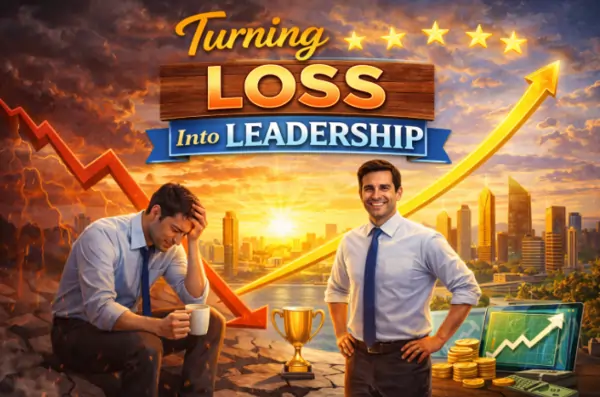
Yet loss does not always end in defeat. In many cases, it becomes the beginning of a deeper kind of strength. The journey of turning loss into leadership is about learning how pain, disappointment, and struggle can shape stronger character, clearer purpose, and more meaningful influence.
Leadership is often associated with success, visibility, and confidence. But many of the strongest leaders are not those who avoided hardship. They are the ones who faced it, learned from it, and emerged with greater empathy, resilience, and clarity. Loss can teach lessons that comfort never does. It can strip away illusion, expose what matters most, and force a person to grow in ways that reshape how they lead others.
This article explores how turning loss into leadership becomes possible, why loss can deepen leadership qualities, and what lessons people can learn from difficult experiences.
Understanding the Link Between Loss and Leadership
Leadership is not only about authority or position. It is also about character, influence, judgment, and the ability to guide others through challenge and uncertainty.
Loss often develops exactly those qualities.
When people experience major setbacks, they are forced to make difficult choices. They may need to rebuild confidence, adapt to change, or find meaning during uncertain times. This process often builds qualities that are central to leadership, including:
- resilience
- empathy
- self-awareness
- patience
- perspective
- emotional control
- clearer priorities
The process of turning loss into leadership begins when a person chooses not to let pain define them permanently. Instead, they use the experience to grow stronger and lead with greater humanity.
Why Loss Changes People Deeply
Loss often forces people to slow down and rethink their assumptions. It can break routines, challenge identity, and create questions that never seemed important before.
People facing loss may begin to ask:
- What really matters now?
- What kind of life do I want to build?
- What have I learned from this pain?
- How can I use this experience for good?
These questions can lead to deeper maturity. One of the key truths about turning loss into leadership is that leadership often becomes stronger when it is rooted in real life experience rather than theory alone.
A person who has suffered, rebuilt, and kept moving often leads with more authenticity than someone who has only known steady success.
Loss Builds Emotional Depth
One of the strongest outcomes of hardship is emotional depth. People who have gone through grief, failure, or major disappointment often understand pain more clearly. That understanding can make them more compassionate and more attentive to others.
This matters in leadership because people do not only need direction. They also need understanding. Leaders who have experienced loss are often better able to recognize:
- emotional exhaustion
- fear during uncertainty
- hidden struggles in others
- the weight of disappointment
- the need for patience and support
In this way, turning loss into leadership is often about becoming the kind of person who can lead not only with strategy, but with emotional intelligence.
Resilience Becomes a Leadership Asset
Loss tests endurance. It reveals how a person responds when life does not go according to plan.
Some people retreat permanently after hardship. Others gradually learn how to stand again. That process builds resilience, which is one of the most valuable traits in leadership.
Resilient leaders are not people who never feel pain. They are people who continue despite pain. They learn how to absorb setbacks, remain steady under pressure, and keep moving forward when circumstances are difficult.
The journey of turning loss into leadership often creates a more grounded and durable kind of confidence. Instead of confidence based only on success, it becomes confidence based on survival, adaptation, and experience.
Leadership After Personal Loss
Personal loss often affects leadership in quiet but powerful ways. Someone who has gone through grief, family hardship, or a major personal transition may begin leading differently afterward.
They may become:
- more patient with others
- less driven by ego
- more focused on purpose
- better at listening
- stronger in difficult conversations
- more aware of human needs behind performance
This is because personal loss often changes how people measure success. It reminds them that behind goals, deadlines, and outcomes are real people carrying unseen burdens.
That perspective is a major part of turning loss into leadership. It creates leaders who do not simply manage performance, but understand people more fully.
Leadership After Professional or Financial Loss
Loss in business or career can also shape leadership in important ways. Failed ventures, public mistakes, layoffs, missed promotions, and financial setbacks often feel devastating in the moment. But they can also become powerful teachers.
Professional loss often teaches:
- humility
- better risk awareness
- stronger judgment
- clearer communication
- long-term thinking
- respect for preparation
- emotional maturity under pressure
Many strong leaders become more effective only after they experience professional difficulty. They stop making decisions from overconfidence and start leading with more care, strategy, and perspective.
This is another important part of turning loss into leadership. Setbacks often remove illusion and replace it with wisdom.
How Loss Improves Decision-Making
People who have experienced loss often become more thoughtful decision-makers. Hardship can reduce impulsiveness and increase perspective.
After significant loss, leaders may ask better questions:
- What is the real risk here?
- What are we overlooking?
- How will this affect people long term?
- Are we acting from fear, ego, or strategy?
These questions improve judgment. They reflect one of the most practical outcomes of turning loss into leadership: pain can produce clarity.
Leaders shaped by loss often become more intentional because they understand consequences more deeply.
Turning Pain Into Purpose
One of the most meaningful transformations happens when people begin to use their pain in service of others. Instead of asking only how to recover, they begin asking how their experience can help someone else.
This may happen through:
- mentoring others
- leading with greater compassion
- creating stronger communities
- building healthier workplace cultures
- speaking honestly about failure or grief
- helping others navigate similar hardship
The process of turning loss into leadership becomes powerful when loss is not only survived, but transformed into something useful and meaningful.
Purpose often grows when pain is given direction.
Common Mistakes After Loss
Not every response to loss leads to growth. Some reactions can delay healing and weaken leadership.
Common mistakes include:
- denying the emotional impact
- rushing to appear strong too quickly
- isolating from support
- making impulsive decisions from pain
- becoming cynical or hardened
- refusing to learn from the experience
Leadership after loss does not require pretending everything is fine. In many cases, true strength comes from honesty, reflection, and patience.
A healthy version of turning loss into leadership includes both recovery and growth. It does not skip the healing process.
Practical Steps for Turning Loss Into Leadership
There is no perfect formula, but several steps can help transform hardship into stronger leadership.
Accept the Reality of the Loss
Real growth begins when the loss is acknowledged honestly.
Reflect on What Changed
Loss often changes values, perspective, and priorities. Reflection helps make those lessons visible.
Identify What Was Learned
Even painful experiences may reveal strengths, weaknesses, or truths that were hidden before.
Rebuild With Intention
Use the experience to shape better habits, decisions, and leadership values.
Support Others With What You Now Understand
One of the clearest signs of turning loss into leadership is becoming able to guide others with wisdom earned through lived experience.
Why Followers Trust Leaders Who Have Been Through Hardship
People often trust leaders who have been tested. Hardship makes leadership more believable. A leader who has struggled, adapted, and remained grounded often feels more authentic than one who only speaks from theory or privilege.
This trust grows because such leaders often show:
- credibility
- emotional realism
- steadiness under pressure
- compassion
- humility
- strength without arrogance
In this sense, turning loss into leadership does not only transform the leader internally. It also changes how others respond to them.
Conclusion
Turning loss into leadership is one of the most meaningful forms of personal growth. Loss can be painful, disorienting, and deeply unfair. But it can also shape stronger character, deeper empathy, clearer priorities, and wiser leadership.
People who transform hardship into leadership do not erase what happened to them. They carry it differently. They use it to guide better decisions, understand others more fully, and lead with more authenticity.
The strongest leaders are not always the ones with the smoothest journeys. Often, they are the ones who faced loss, learned from it, and chose to become stronger without losing their humanity.
In the end, loss may take something away, but it can also reveal what kind of leader a person is capable of becoming.
FAQ
What does turning loss into leadership mean?
It means using the lessons from personal or professional loss to build resilience, empathy, wisdom, and stronger leadership qualities.
Can loss really make someone a better leader?
Yes. Loss can deepen emotional intelligence, improve judgment, and help leaders connect with others in a more authentic way.
What kind of loss can shape leadership?
Many forms of loss can shape leadership, including grief, business setbacks, career disappointment, financial hardship, or major life change.
Why does hardship improve leadership?
Hardship often builds resilience, humility, perspective, and emotional depth, all of which are valuable in leadership.
How can someone turn pain into leadership growth?
By reflecting on the experience, learning from it, rebuilding with intention, and using those lessons to support and guide others.