

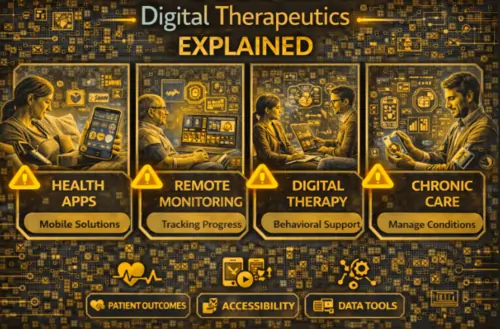
Introduction
The healthcare industry is undergoing rapid transformation as technology becomes more deeply integrated into patient care. One of the most innovative developments in recent years is the rise of digital therapeutics (DTx)—software-based treatments designed to prevent, manage, or treat medical conditions.
Digital therapeutic represent a new category of medicine that combines clinical evidence, behavioral science, and digital technology. Unlike general health or fitness apps, digital therapeutics are designed to deliver evidence-based therapeutic interventions through software programs, often supported by clinical trials and regulatory approval.
These tools can help patients manage chronic conditions, improve mental health, change unhealthy behaviors, and monitor disease progression—all through digital platforms such as smartphones, wearable devices, and connected health systems.
As healthcare systems face challenges such as workforce shortages, rising costs, and increasing chronic disease rates, digital therapeutic are becoming an important part of the future of medicine.
What Are Digital Therapeutics?
Digital therapeutic are software-driven medical interventions that deliver treatment or therapy directly to patients through digital platforms.
The Digital Therapeutics Alliance defines digital therapeutics as evidence-based software programs that prevent, manage, or treat diseases and medical conditions.
Unlike wellness apps that track steps or calories, digital therapeutics are:
- clinically validated
- evidence-based
- often regulated by health authorities such as the FDA
- designed to treat specific medical conditions
These therapies may work as a standalone treatment or as a complement to traditional medical care, such as medication or in-person therapy.
How Digital Therapeutics Work
Digital therapeutic typically combine technology, data analytics, and behavioral science to influence health outcomes.
These solutions are often delivered through:
- smartphone applications
- web-based platforms
- wearable health devices
- connected sensors and medical equipment
The technology collects patient data, monitors symptoms, and provides personalized feedback or therapeutic interventions.
For example, some digital therapeutic use cognitive behavioral therapy (CBT) techniques, gamification, reminders, and personalized coaching to help patients change behaviors related to health conditions such as diabetes, depression, or insomnia.
Because these interventions are digital, they can also collect large amounts of patient data to track progress and adjust treatments in real time.
Digital Therapeutics vs. Digital Health Apps
Many people confuse digital therapeutics with general health apps, but there are important differences.
Digital Health Apps
Health apps are often designed for general wellness and lifestyle tracking. Examples include step counters, calorie trackers, or meditation apps.
These apps usually:
- focus on general wellness
- are not clinically validated
- do not require regulatory approval
Digital Therapeutics
Digital therapeutic, on the other hand, are designed to treat specific medical conditions.
They typically require:
- clinical testing
- regulatory oversight
- evidence of therapeutic effectiveness
Because of these requirements, digital therapeutic are often considered a new category of software-based medicine.
Common Conditions Treated with Digital Therapeutics
Digital therapeutic are being developed to treat a wide range of medical conditions.
Some of the most common applications include:
Chronic Diseases
Digital therapeutics can help patients manage long-term conditions such as:
- diabetes
- hypertension
- asthma
- obesity
By tracking lifestyle behaviors and health data, digital tools can help patients stay on treatment plans and make healthier decisions.
Mental Health
Mental health is one of the fastest-growing areas for digital therapeutics.
Programs may deliver structured therapy sessions for:
- depression
- anxiety
- insomnia
- ADHD
These therapies often use digital cognitive behavioral therapy programs that patients can access anytime.
Substance Use Disorders
Some digital therapeutic are designed to support recovery from substance abuse.
For example, reSET and reSET-O are FDA-authorized digital therapies that help treat substance use and opioid use disorders through behavioral interventions delivered via software.
Preventive Health
Digital therapeutic are also used to prevent diseases by encouraging healthier behaviors such as improved diet, physical activity, and medication adherence.
Benefits of Digital Therapeutics
Digital therapeutic offer several advantages that make them attractive to healthcare providers and patients.
Increased Accessibility
Patients can access therapy through smartphones or computers without needing frequent in-person visits.
This is particularly helpful for people living in remote or underserved areas.
Personalized Treatment
Digital platforms can analyze patient data and deliver personalized recommendations and interventions.
Continuous Monitoring
Digital therapeutic allow healthcare providers to monitor patient progress in real time, helping them adjust treatment when necessary.
Improved Patient Engagement
Interactive features such as reminders, coaching, and gamification encourage patients to stay engaged with their treatment plans.
Lower Healthcare Costs
Digital therapies can reduce hospital visits, improve treatment adherence, and support preventive care, potentially lowering healthcare costs.
Challenges and Limitations
Despite their potential, digital therapeutic also face several challenges.
Regulatory and Approval Processes
Because digital therapeutic function as medical treatments, they must meet strict regulatory requirements before they can be prescribed.
Data Privacy and Security
Patient health data must be protected through strong privacy and cybersecurity measures.
Clinical Evidence Requirements
Healthcare providers and insurers often require strong clinical evidence before adopting new digital therapies.
Reimbursement Issues
Insurance reimbursement for digital therapeutics remains inconsistent in many healthcare systems.
Future of Digital Therapeutics
The future of digital therapeutic looks promising as technology continues to evolve.
Several trends are shaping the industry:
- integration of artificial intelligence in digital treatment programs
- expansion of prescription digital therapeutics
- increased regulatory frameworks for digital health technologies
- partnerships between pharmaceutical companies and digital health developers
The COVID-19 pandemic accelerated the adoption of digital health tools, and many experts believe digital therapeutics will become a core component of modern healthcare.
As digital infrastructure improves and clinical evidence continues to grow, digital therapeutics could significantly improve patient outcomes and transform how healthcare is delivered.
Conclusion
Digital therapeutic represent an exciting shift in healthcare, combining clinical science with modern technology to deliver personalized treatments through software.
By providing evidence-based interventions that can be accessed remotely, these tools help patients manage chronic diseases, improve mental health, and adopt healthier lifestyles.
While challenges such as regulatory approval and data privacy remain, the continued growth of digital health technology suggests that digital therapeutic will play an increasingly important role in future healthcare systems.
Understanding digital therapeutics explained helps patients, healthcare providers, and policymakers recognize how technology can improve treatment, accessibility, and long-term health outcomes.
FAQ
What are digital therapeutics?
Digital therapeutics are evidence-based software programs designed to prevent, manage, or treat medical conditions using clinically validated digital interventions.
How are digital therapeutic different from health apps?
Digital therapeutics require clinical validation and regulatory approval, while most health apps focus only on general wellness and lifestyle tracking.
What conditions can digital therapeutic treat?
They can treat conditions such as diabetes, depression, anxiety, insomnia, substance use disorders, and hypertension.
Are digital therapeutics approved by regulators?
Yes. Many digital therapeutics must be reviewed and authorized by regulatory bodies such as the U.S. Food and Drug Administration (FDA).
Are digital therapeutics the future of healthcare?
Many experts believe digital therapeutics will become an important part of healthcare by improving access, personalization, and patient engagement.